Waxflower: The Art of the Perfect Filler
Small, fragrant, and structurally remarkable, waxflower is the filler flower that does far more than fill. In the hands of a confident arranger, it can transform a bouquet entirely.

Chamelaucium uncinatum — Australian waxflower — is one of the great unsung flowers of professional floristry. Its tiny, waxy blooms, each no larger than a pencil eraser, appear in clusters along arching woody stems, creating the kind of soft, cloud-like texture that florists spend considerable effort achieving with more expensive materials. A single waxflower stem, properly placed, can soften an arrangement's edges, add fragrance, and create depth that focal flowers alone cannot provide.
Where waxflower comes from
Waxflower is native to Western Australia, where it grows as an open shrub in sandy, well-drained soils. It was first exported to the Netherlands as a cut flower in the 1980s and has since become a staple of the global flower trade, with large-scale commercial production now taking place in Israel, Kenya, the Netherlands, and Australia itself. In the UK, it is available year-round from Dutch auctions, with the main season running from late winter through spring.
“A filler flower is never just filling. It is the white space in a composition — the breath between the notes.”
Varieties and colours
The most widely available waxflower in the UK is the pink or white Chamelaucium, but the colour range extends to hot pink, mauve, burgundy, and the beautiful 'Purple Pride' variety with its deep lavender tones. The 'Snowflake' variety is popular in bridal work for its pure white blooms. 'Eric John' produces larger than average flowers and is favoured when waxflower is intended to be noticed rather than simply support. The foliage — needle-like, aromatic, similar to rosemary — is itself decorative and can be stripped or used in green-heavy arrangements.
Exceptional longevity
One of waxflower's defining qualities is its extraordinary vase life. Cut stems routinely last two to three weeks — sometimes longer if the water is changed regularly and the arrangement is kept in a cool room. This makes it exceptional value for floral arrangements where longevity matters, and an ideal choice for people who do not want to replace flowers frequently. The blooms hold their shape and colour well, and the foliage does not deteriorate at anything like the rate of softer-leaved fillers such as ruscus.
Using waxflower well
- Strip the lower third of foliage before conditioning in deep water
- Allow to condition for at least four hours — woody stems need time to draw water
- Use as the final layer in an arrangement, placed to soften edges and fill gaps
- The arching habit of the stems is a feature: allow them to trail slightly over vase edges
- Waxflower dries beautifully in situ in an arrangement — no special treatment required
- Combine with roses, ranunculus, or lisianthus for a full, romantic bouquet
- The fragrance is light and herbal: an asset in a room, not a complication
Continue reading
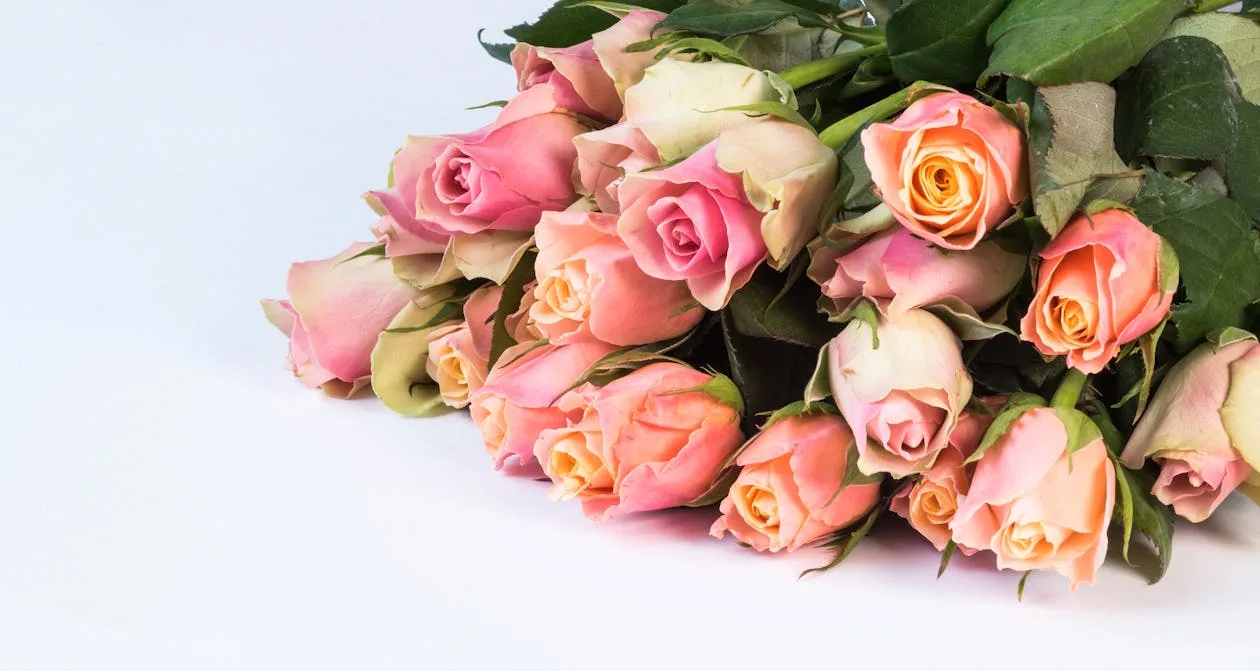
Gypsophila, Eucalyptus, and the Fillers That Make a Bouquet
Filler flowers and foliage are the unsung heroes of any great arrangement. Here is what the best ones do, and how to use them with confidence.
Read more →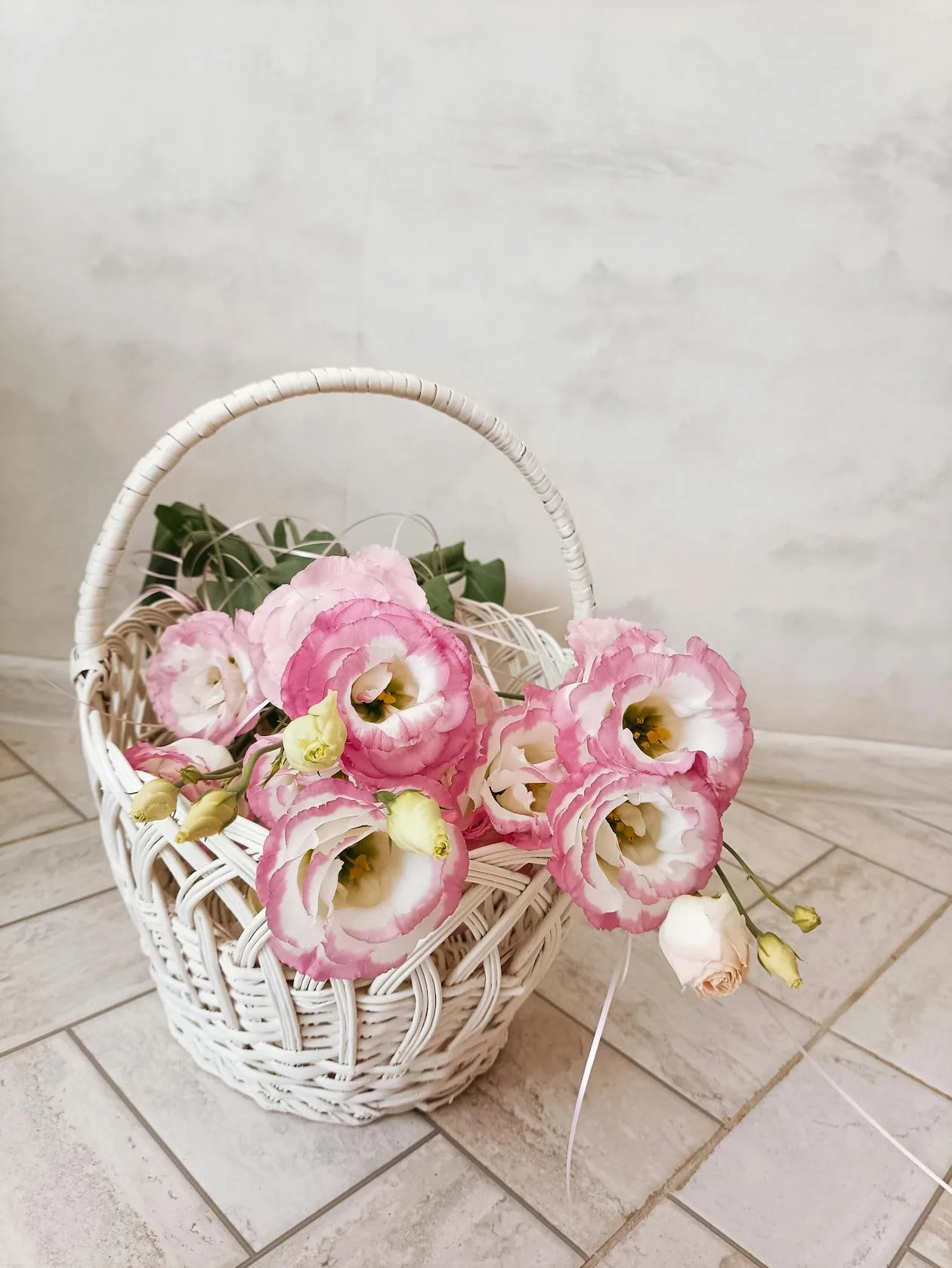
Lisianthus: The Flower That Impersonates a Rose
At first glance, lisianthus is sometimes mistaken for a peony or a garden rose. It is neither, but it may be better suited to the vase than either. This is the guide to the flower you should know.
Read more →
How to Arrange Flowers Like a Florist
Professional flower arranging looks effortless because the principles behind it are simple. Learn the same techniques florists use and your arrangements will immediately improve.
Read more →