Gypsophila, Eucalyptus, and the Fillers That Make a Bouquet
Filler flowers and foliage are the unsung heroes of any great arrangement. Here is what the best ones do, and how to use them with confidence.
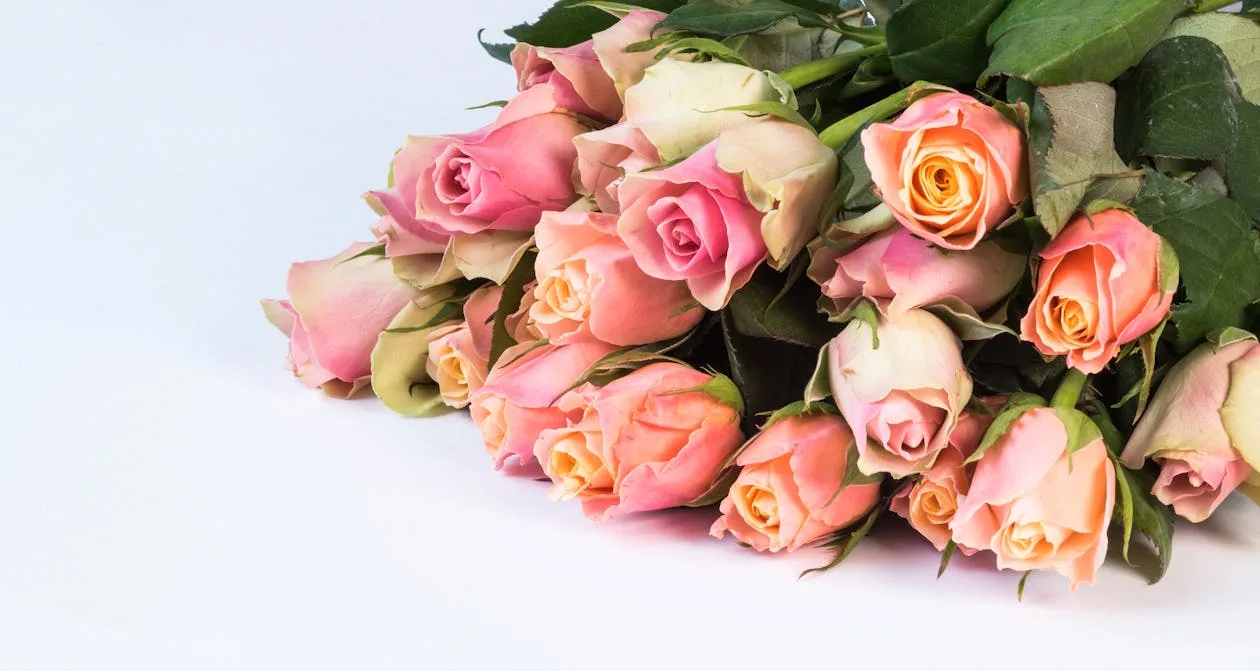
In the florist's vocabulary, filler refers to the supporting cast: the flowers and foliage that fill the gaps, add texture and movement, and allow the focal flowers to shine. A bouquet without filler tends to look flat and crowded. A bouquet with the right filler looks lush, considered, and alive. Knowing what each filler does helps you ask for the right things and understand what a skilled florist is constructing.
The essential fillers
Filler and aesthetic style
The filler you choose tells the viewer a great deal about the aesthetic register of the arrangement. Eucalyptus and ruscus signal contemporary, design-led floristry. Pittosporum and wild grasses signal a natural, garden style. Gypsophila used generously on its own reads as romantic and slightly retro. Bear grass signals something architectural and modern. Waxflower adds an informal cottage-garden quality.
Matching filler to style
- Contemporary / architectural: bear grass, seeded eucalyptus, silver brunia
- Natural / garden style: pittosporum, mixed greenery, wild grasses
- Romantic / soft: gypsophila, waxflower, soft ruscus
- Minimalist: a single foliage variety only, or no filler at all
- Festive: blue pine, holly, hypericum berries
- Coastal / earthy: sea lavender, dried seed heads, thistles
The case against too much filler
Filler earns its place when it serves the flowers. When it becomes a way of padding out a meagre bunch, it can make an arrangement feel dishonest. A good florist uses filler purposefully: a sprig of eucalyptus to add a silver note, a few stems of gypsophila to create airiness, a handful of bear grass to add height. An honest florist will tell you when a particular filler is there for structure and when it is there to fill space.
“The best filler is almost invisible. You notice what it does to the overall arrangement, not that it is there.”
Continue reading
How to Build a Custom Bouquet Like a Florist
A professional florist doesn't just grab what's pretty. They think in structure, colour, texture, and proportion. Here's how to think the way they do.
Read more →
Why Carnations Deserve a Second Chance
Carnations have been dismissed as cheap and cheerless for decades. That reputation is entirely undeserved. Here is the case for the most underrated flower in the world.
Read more →
Everything You Need to Know About Dried Flowers
Dried flowers have moved far beyond dusty Victorian arrangements. Today they offer a genuinely beautiful, long-lasting alternative to fresh flowers. Here is the complete guide.
Read more →