Lisianthus: The Flower That Impersonates a Rose
At first glance, lisianthus is sometimes mistaken for a peony or a garden rose. It is neither, but it may be better suited to the vase than either. This is the guide to the flower you should know.
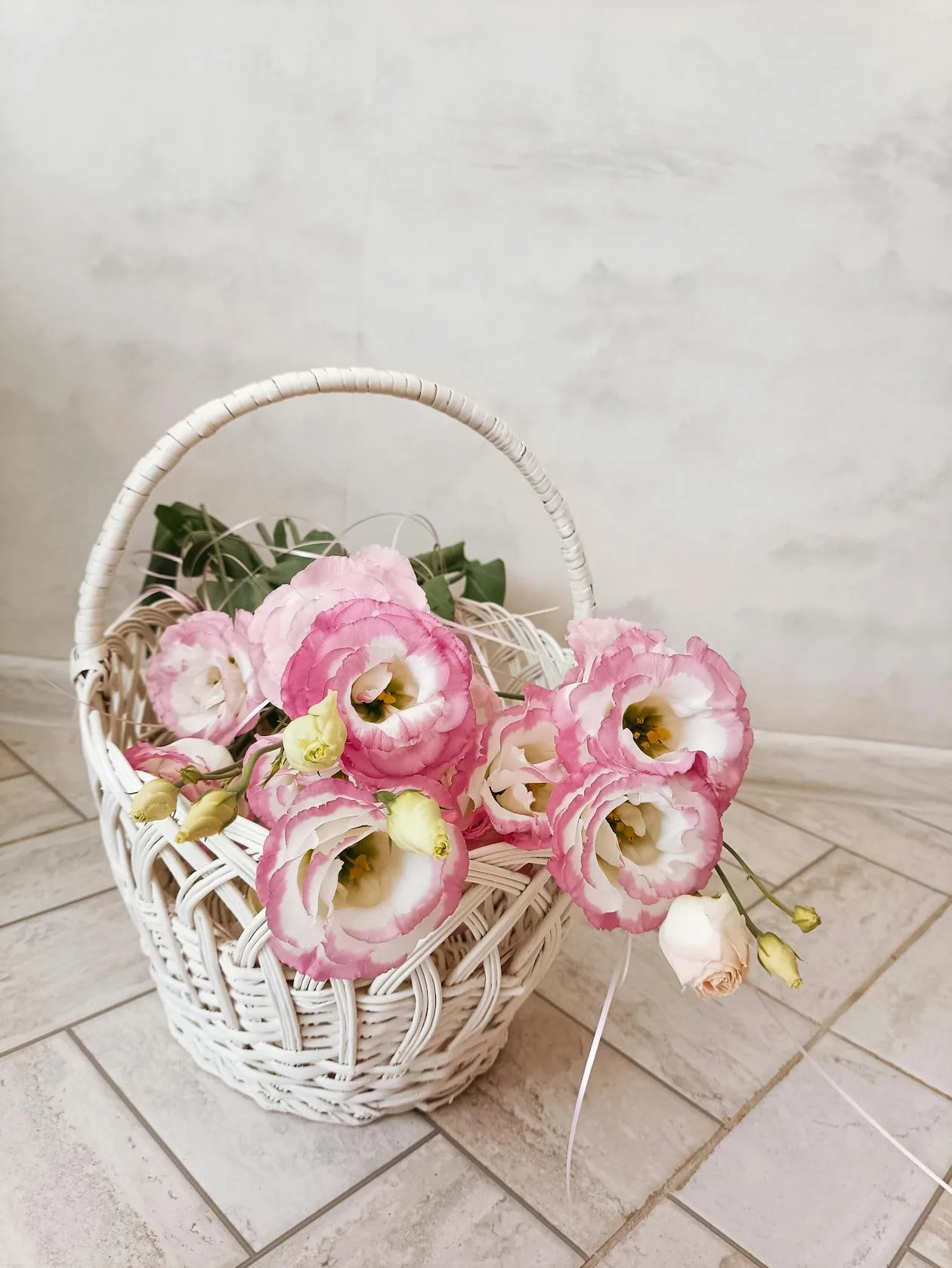
Lisianthus — botanically Eustoma grandiflorum — is the great shape-shifter of the cut flower world. Its ruffled, layered petals bear such a resemblance to a garden rose or small peony that it frequently appears in wedding arrangements without the guest ever realising they are looking at something entirely different. Florists love it for precisely this reason: it provides rose-like visual luxury at a fraction of the rose's price point, and it lasts almost twice as long.
Understanding the lisianthus plant
Native to the warm grasslands of the southern United States, Mexico, and South America, lisianthus is a heat-loving plant that is grown commercially in glasshouses across the Netherlands, Japan, and increasingly Britain. It is a slow grower — one of the slowest in commercial floriculture — taking up to six months from seed to marketable stem. This growing time is part of the reason it commands a higher price than simpler cut flowers, and part of the reason commercial growers value it so highly: once it is ready, the multiple buds per stem open in succession, giving retailers and buyers excellent extended value.
“Lisianthus asks you to slow down. Its buds open over a week or more, and each day it becomes something slightly different.”
Colours and forms
The colour range of lisianthus extends from pure white through every shade of cream, blush, pink, mauve, violet, and deep purple, with bicoloured varieties featuring picotee edges — a dark border around a lighter petal — being among the most prized. Double-flowered varieties produce the most peony-like effect; single forms are simpler and more daisy-like. The F1 Echo series and Voyage series are among the most reliable available in UK florists, with the pale lavender and dusky purple tones being particularly popular for wedding and event work.
Exceptional vase life
One of lisianthus's greatest qualities is its longevity. A fresh stem will easily last fourteen to twenty-one days in the vase, with individual buds opening in sequence over that time. A stem that looks half-spent to the eye will, over the following week, produce three or four more blooms from the buds still waiting to open. This makes lisianthus extraordinarily good value compared to its nearest visual competitor, the garden rose, which typically lasts five to seven days.
Lisianthus care in the vase
- Condition in deep water for several hours before arranging
- Remove lower leaves that would sit below the waterline
- Change water every three days — lisianthus is tolerant but cleaner water extends life
- The buds will continue opening after cutting: buy partially open for the best experience
- Keep in a cool room: heat shortens vase life significantly
- Do not recut into the very base of the stem where the bark is thickest — cut where the stem is still green and soft
How to use lisianthus in arrangements
Lisianthus is one of the most versatile flowers in a florist's palette. It works beautifully as a focal flower in arrangements where roses would normally lead, as a complement to peonies in luxury bouquets, and as a sophisticated filler when used in bud. The naturally arching stems give arrangements a graceful quality that straight-stemmed flowers cannot replicate. For a simple home arrangement, five stems of double lisianthus in a tall, clear vase need nothing else to make an impression.
Continue reading
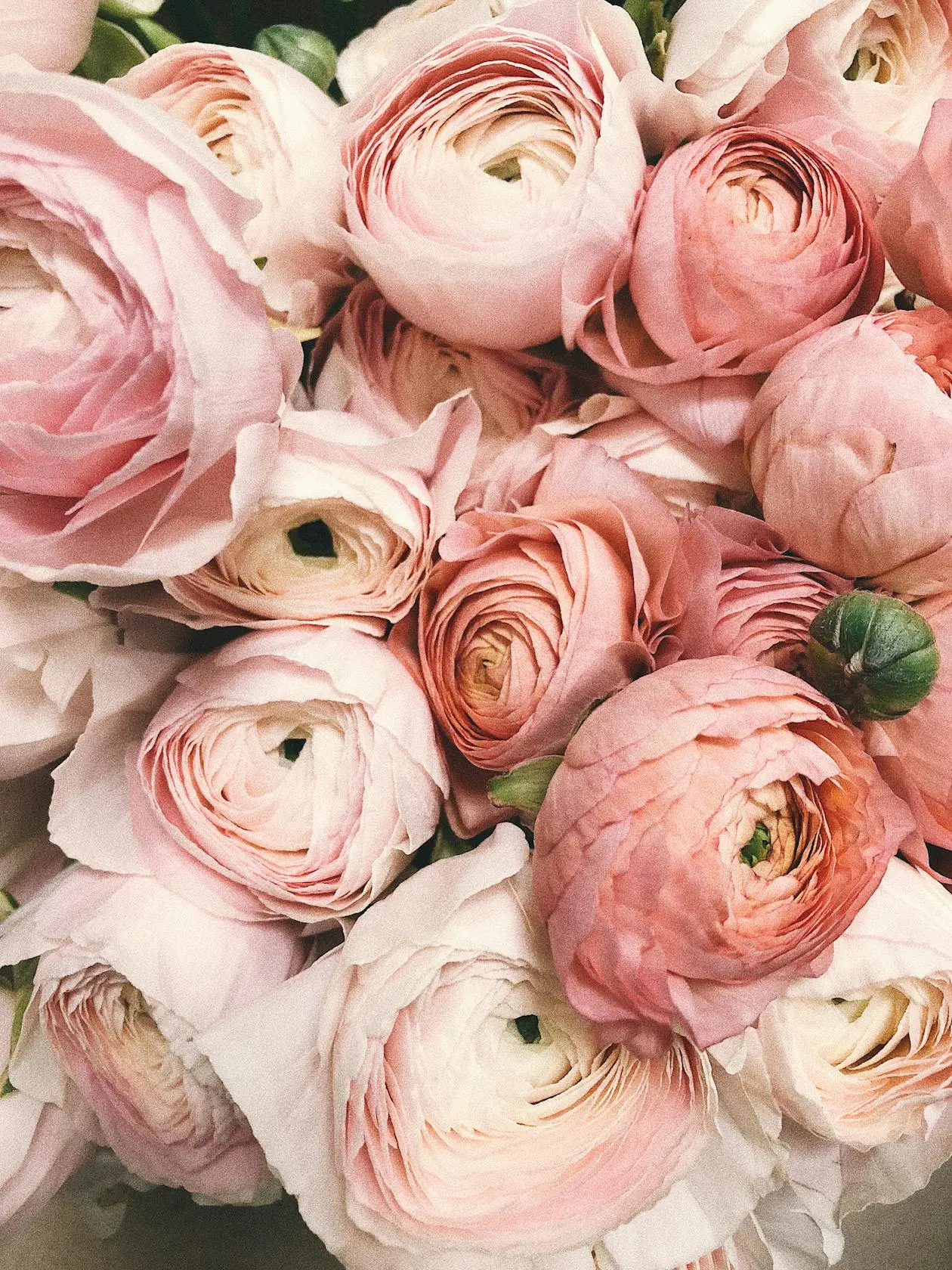
The Language of Roses: What Every Colour Means
For centuries, roses have spoken a language all their own. A single stem can say what words struggle to capture — but only if you choose the right colour.
Read more →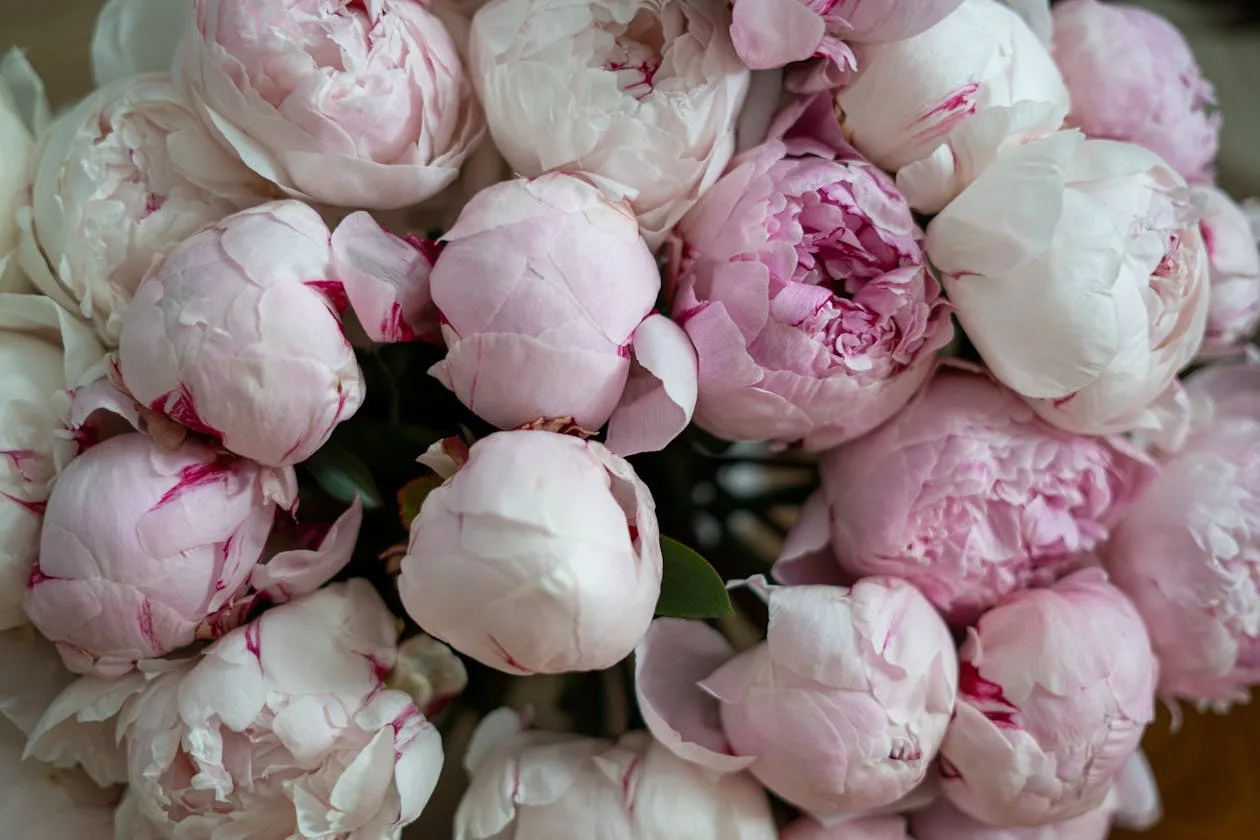
The Peony Handbook
Peonies are the most beloved flower in Britain, and for good reason. Here is everything you need to know about buying, conditioning, and enjoying them at their finest.
Read more →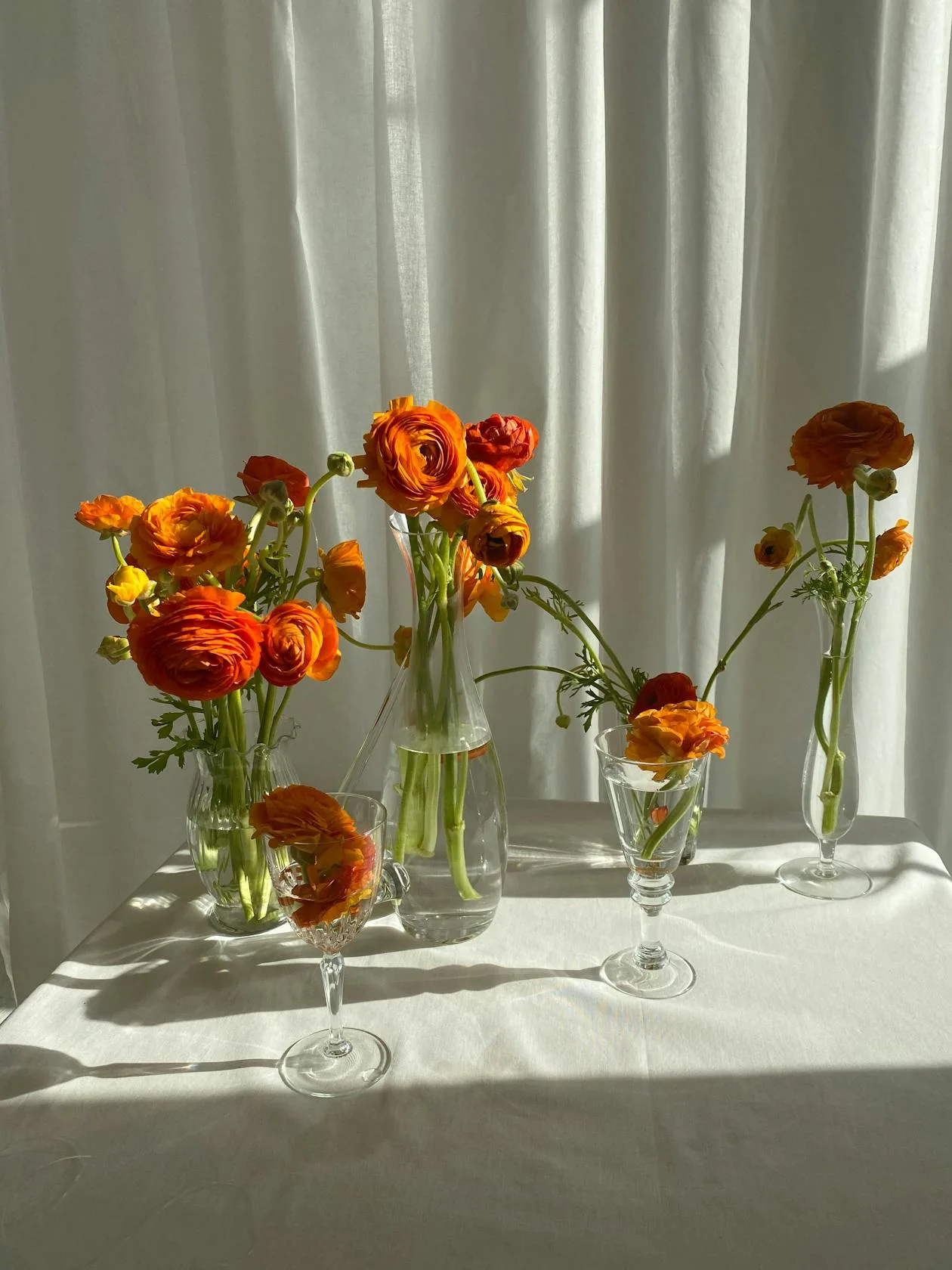
Ranunculus: The Florist's Best-Kept Secret
Ask a professional florist which flower they reach for when they want to create something genuinely extraordinary, and the answer is often the same: ranunculus. Here is why.
Read more →