Ranunculus: The Florist's Best-Kept Secret
Ask a professional florist which flower they reach for when they want to create something genuinely extraordinary, and the answer is often the same: ranunculus. Here is why.
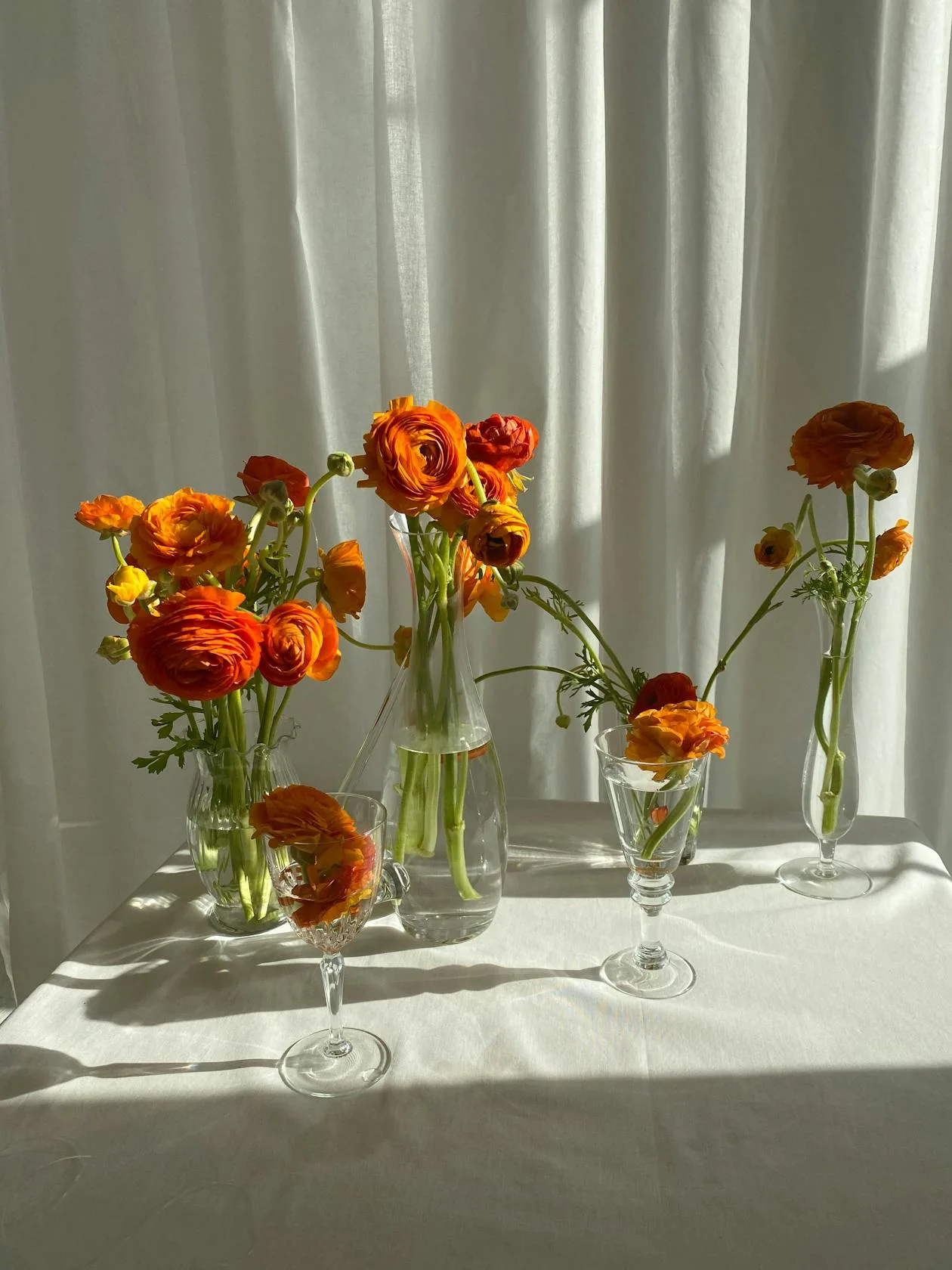
Ranunculus is what happens when a flower tries to become a peony and almost succeeds. Its blooms are constructed from dozens of paper-thin, crepe-like petals arranged in concentric rings that create a depth and complexity far beyond the flower's modest size. At the centre of a fully open ranunculus, the petals are so tightly packed they resemble a sculpture rather than a living thing. It is one of the most photographed flowers in contemporary wedding floristry, and for good reason.
The spring window
Ranunculus is a cool-season flower, available in Britain from late winter through to late spring — roughly February to May, depending on the year. This seasonal specificity is part of its appeal: it is not a flower available year-round, and its appearance signals that something special is in season. The peak is usually March and April, when UK-grown corms alongside imported Dutch and Italian crops overlap to create the most plentiful and affordable supply.
Colour range and varieties
Ranunculus comes in an extraordinary range of colours, from the palest blush white to deep burgundy, with burnt orange, coral, lemon yellow, watermelon pink, and lavender in between. The Cloni series, developed in Italy, produces particularly large, densely petalled blooms that have become the benchmark for high-quality ranunculus. Pon Pon types are smaller and more ball-shaped. For the most interesting colours, seek out the Elegance series, which includes varieties in dusky rose, terracotta, and antique cream.
“A single ranunculus stem, placed alone in a bud vase, can hold a room's attention more effectively than a dozen mixed flowers.”
Vase life and care
Fresh ranunculus in good condition will typically last seven to ten days in the vase, sometimes longer in a cool room. The key is to buy stems with tightly closed buds and allow them to open gradually at home. Ranunculus naturally droops its head slightly before the bloom fully opens — this is not a sign of poor health, but simply the flower's response to the weight of its developing petals. Keep stems in cool, clean water and recut every few days.
Ranunculus vase care
- Buy with buds tightly closed for maximum vase life
- Keep in a cool room away from direct sunlight
- Recut stems on an angle every two to three days
- Change water every two days and clean the vase each time
- Do not mix with daffodils: the narcissine sap will damage ranunculus
- A drooping head before full opening is normal — give it a fresh cut and fresh water
Growing ranunculus in the UK
Ranunculus grows from corms — small, claw-like structures that look remarkably like a tiny octopus. Plant with the claws facing downward in autumn (October to November) in well-drained soil in a sheltered spot. In colder parts of Britain, plant in pots under cover and bring them out in spring, or plant corms in spring for a summer display. They prefer cool weather and will slow or stop producing once temperatures rise consistently above 20°C.
“The ranunculus corm is one of the least prepossessing objects in gardening. What emerges from it is nothing short of spectacular.”
Continue reading
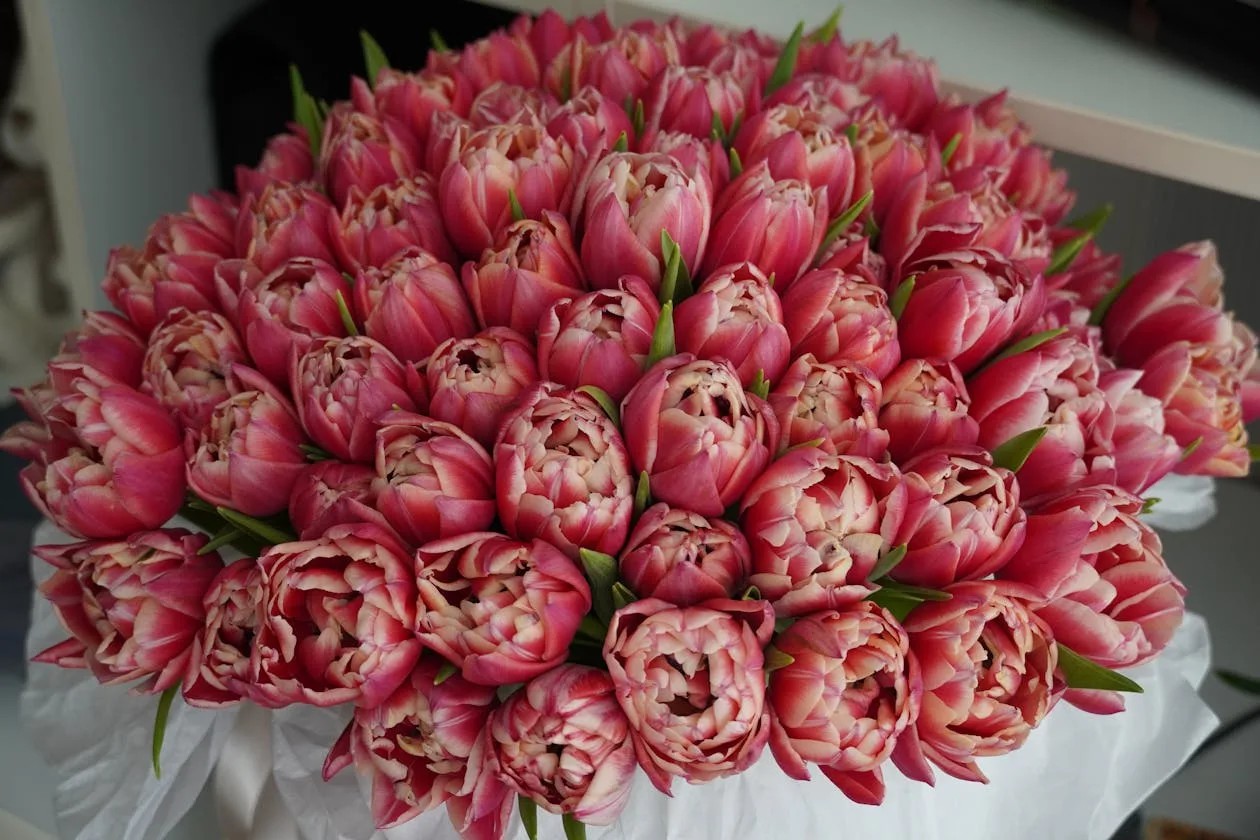
Spring Flowers: Britain's Most Beautiful Seasonal Blooms
From the first narcissi of February to the blowsy peonies of June, spring in Britain is a procession of extraordinary flowers. Here's what to look for — and when.
Read more →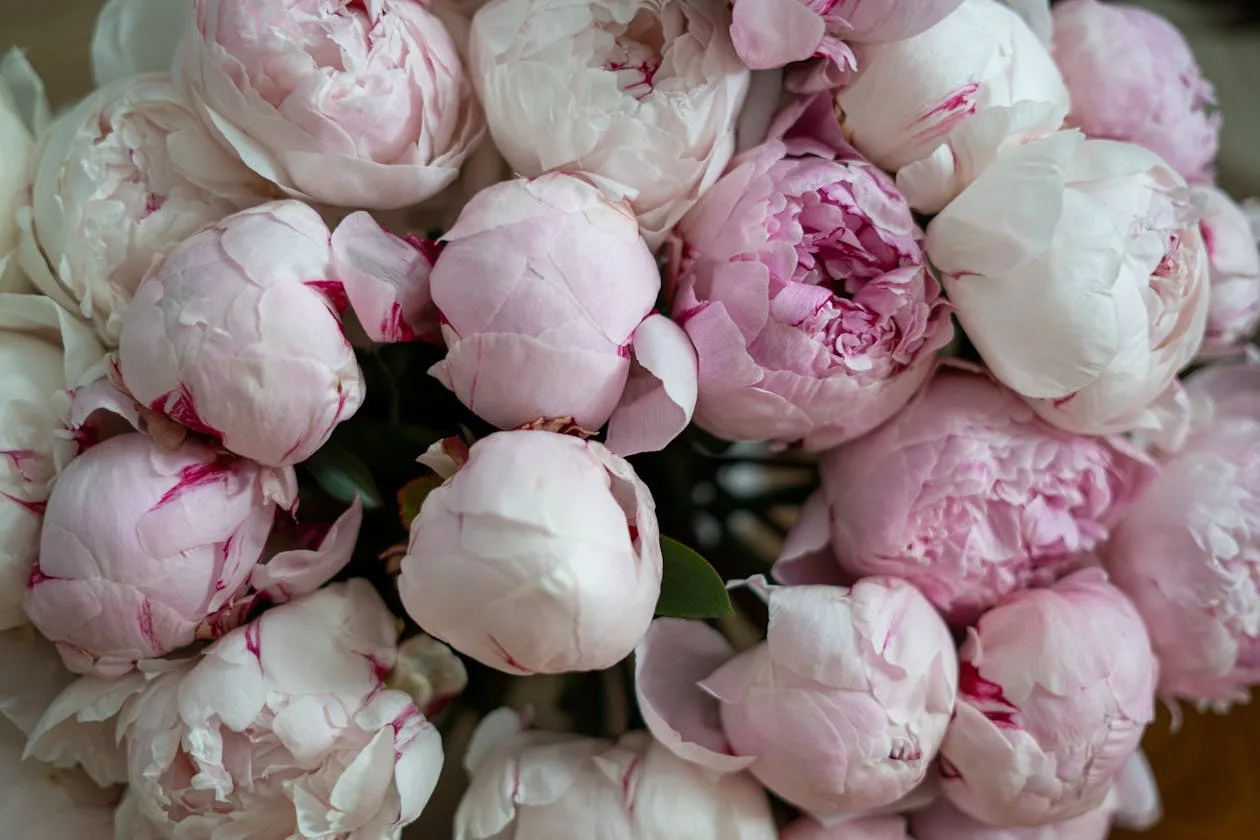
The Peony Handbook
Peonies are the most beloved flower in Britain, and for good reason. Here is everything you need to know about buying, conditioning, and enjoying them at their finest.
Read more →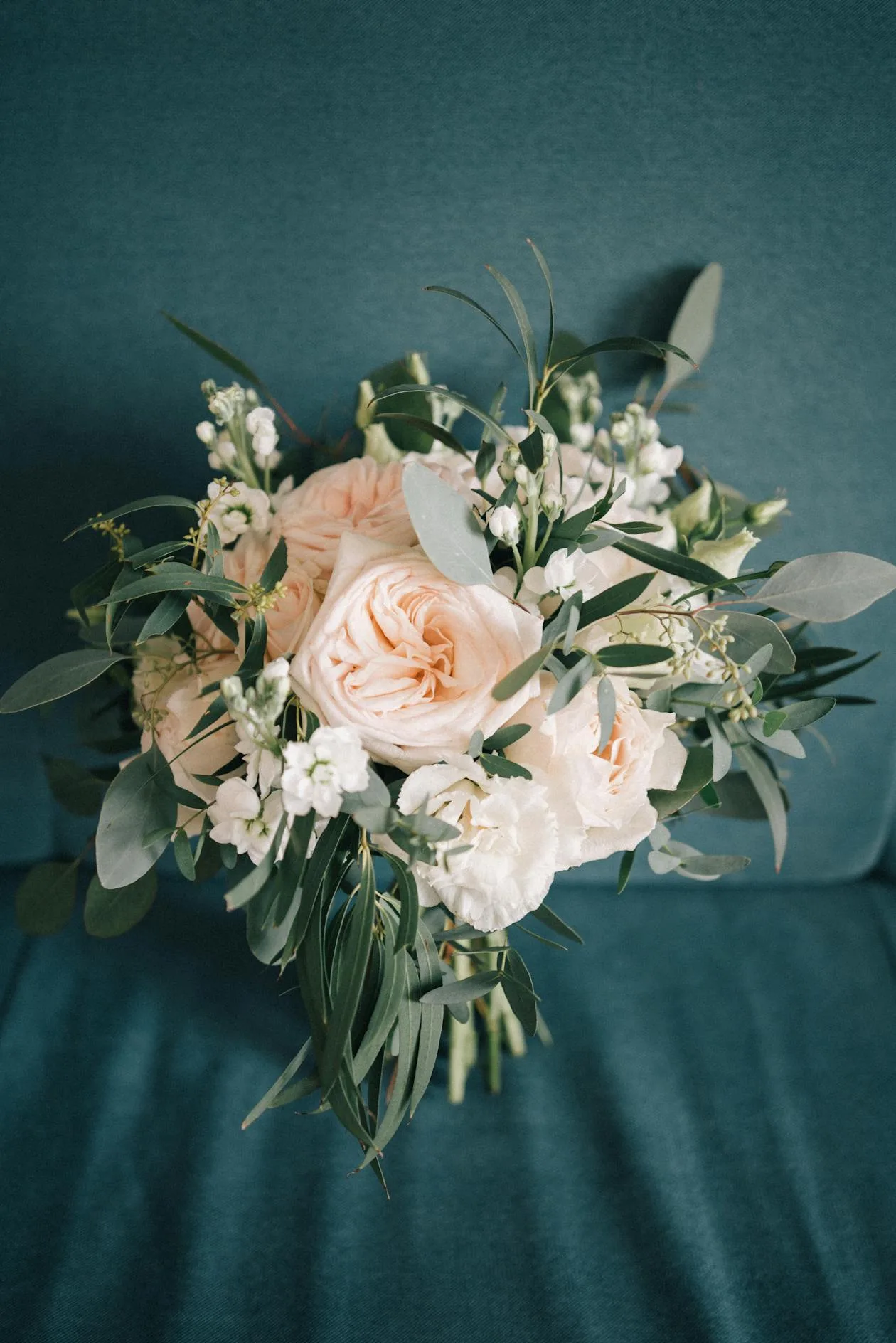
The Best Flowers for Spring Weddings in the UK
Spring is one of the most beautiful times to marry in Britain, and its seasonal flowers are among the most romantic available. Knowing what is at its peak and when will transform your wedding floristry.
Read more →