The Best Flowers for Spring Weddings in the UK
Spring is one of the most beautiful times to marry in Britain, and its seasonal flowers are among the most romantic available. Knowing what is at its peak and when will transform your wedding floristry.
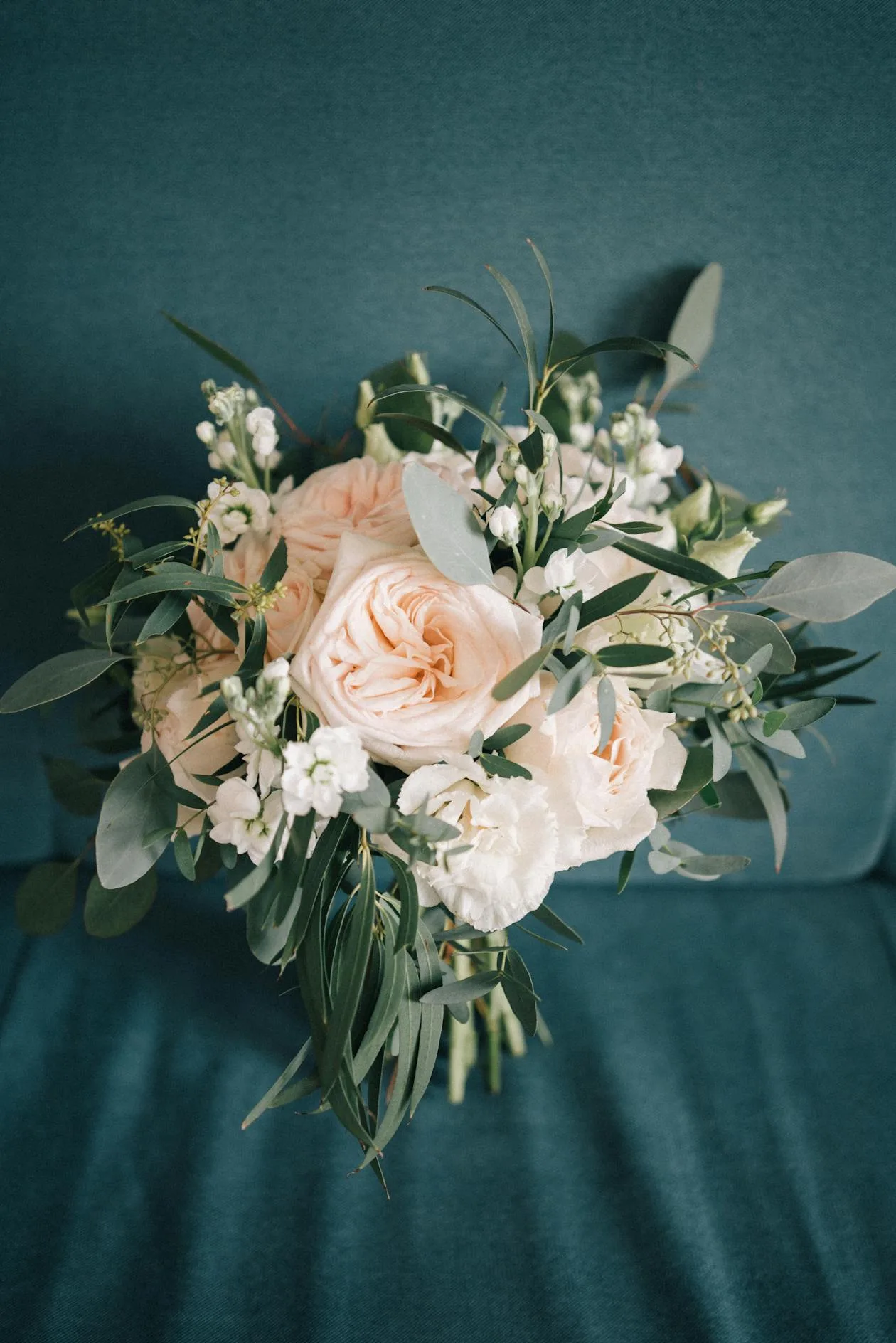
A spring wedding in Britain takes place against one of the most florally abundant backdrops of the year. From late February through May, the country moves through a succession of flowering moments: snowdrops and hellebores give way to daffodils and tulips, which give way to ranunculus and anemones, which finally yield to the extraordinary late-spring flush of peonies, sweet peas, alliums, and lilac. Understanding this sequence and planning your wedding floristry around it will produce arrangements that feel genuinely of the season rather than assembled from an all-year-round catalogue.
February and early March: the delicate season
February and early March are beautiful months for a wedding if you embrace what is genuinely available: snowdrops, hellebores, early narcissus, and the first tulips. This palette is soft, romantic, and unusual: hellebores in dusky pink and near-black are exceptionally beautiful in bridal bouquets, and their downward-hanging heads create a natural, trailing effect. Narcissus fills a room with fragrance. The restraint of this early-spring palette is itself a kind of elegance.
April: tulips and ranunculus peak
April is arguably the best month for a UK spring wedding in terms of sheer floral abundance at accessible price points. Tulips are at their peak, available in a range so vast that an entire colour palette can be constructed from tulips alone. Ranunculus is in full season, providing peony-like luxury at considerably lower cost. Anemones are still available. Sweet peas are arriving from early-season growers. The challenge is not abundance but selection.
May: the peak of the season
May is when the spring season reaches its apex. Peonies begin in mid-May and immediately become the dominant note of late-spring weddings. Alliums add architectural drama. Lilac, although brief in the vase, fills a space with extraordinary fragrance. Sweet peas are now plentiful. Garden roses are beginning. For a May wedding, the florist's greatest challenge is simply choosing what to leave out.
Spring wedding flower planner
- February to March: hellebores, snowdrops, early narcissus, early tulips
- April: tulips, ranunculus, anemones, sweet peas, muscari
- May: peonies, alliums, lilac, sweet peas, garden roses, early dahlias
- Book your florist at least six months in advance for spring wedding dates
- Discuss seasonal availability honestly: peonies in April are possible but expensive
- Foliage matters as much as flowers in spring: eucalyptus, fern, and ruscus are all abundant
- Ask your florist about UK-grown options: spring is the season when British flowers are at their best
“A spring wedding that works with its season rather than against it will always be more beautiful than one that insists on flowers the month has not yet offered.”
Colour palettes for spring weddings
The natural spring palette runs from white and cream through pale blush and lilac to deeper pinks and the occasional vivid pop of magenta or deep purple. This is not a season for bold, dark arrangements: spring light is fresh and clear, and it flatters pale, luminous flowers beautifully. If you want something bolder, autumn provides a better canvas. Work with the season and let the flowers do what they are already best at.
Continue reading
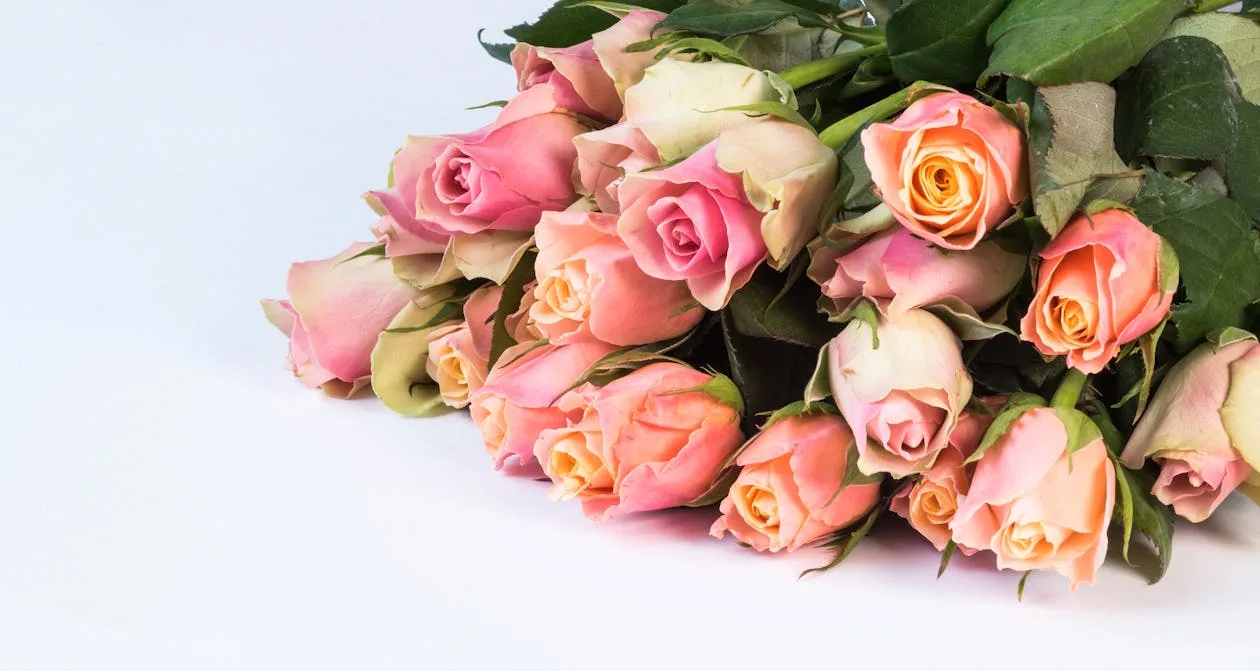
Wedding Flowers on a Budget
Wedding floristry does not have to cost a fortune. With the right choices and a few principles, you can have beautiful wedding flowers at a fraction of the usual cost.
Read more →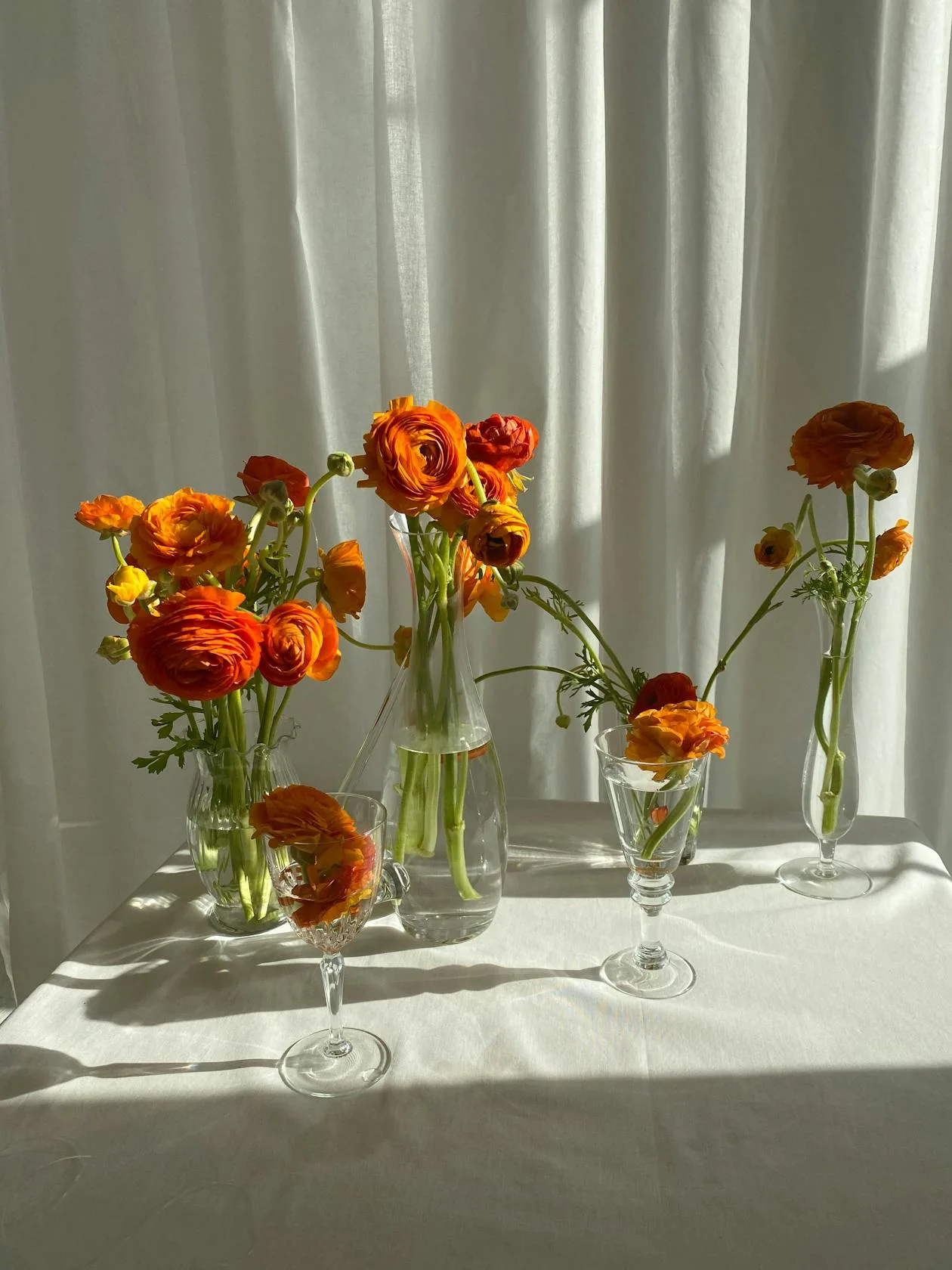
Ranunculus: The Florist's Best-Kept Secret
Ask a professional florist which flower they reach for when they want to create something genuinely extraordinary, and the answer is often the same: ranunculus. Here is why.
Read more →
The Best Flowers for June Weddings
June is the most popular month for weddings in Britain and the most generous in terms of floral abundance. Knowing what is at its absolute best will help you make the most of an extraordinary season.
Read more →