Spring Flowers for the Table: Simple Arrangements That Work
A table arrangement in early spring does not need to be complicated. It needs seasonal flowers, the right vessel, and the confidence to resist over-engineering.

There is a particular pleasure in a table that has flowers on it in spring. After months of bare surfaces and the domestic austerity that seems to come with January and February, a bunch of tulips or narcissi on a dining table transforms the room in a way that is disproportionate to the effort involved. The rules for a good spring table arrangement are not complicated, and the most important of them is also the simplest: use what is seasonal, do not over-arrange it, and choose a vessel that suits the flowers rather than one that overwhelms them.
Single-variety arrangements
A tight bunch of one variety of flower in one colour, placed in a simple vessel, is almost always more effective than a complicated mixed arrangement for a table. Twenty white tulips in a cylindrical glass vase. Fifteen yellow narcissi in a terracotta pot. A dozen pink ranunculus in a plain white ceramic. These arrangements work because they have focus. They look considered rather than assembled. And they are far easier to achieve than anything requiring floristry training.
The right vessel
Spring flowers tend to be light and relatively modest in scale, which means they are easily overwhelmed by large or ornate containers. The best vessels for spring table flowers are simple: clear glass cylinders that show the stems, low ceramic pots that allow the flowers to spill naturally, or plain white jugs that echo the domestic simplicity of the season. A vessel that competes with the flowers for attention loses the flowers both times.
“A spring table arrangement should look like it was gathered rather than arranged. The flowers do the work. The vessel holds them. That is all either needs to do.”
Spring table arrangement: quick rules
- One variety per arrangement is almost always better than several mixed together
- Choose a vessel roughly two-thirds the height of the flowers
- Remove all leaves below the waterline
- For dining tables: keep arrangements low enough not to block sightlines across the table
- For sideboards or kitchen tables: height is no constraint
- Refresh the water and recut stems every two days to extend the arrangement's life
Continue reading
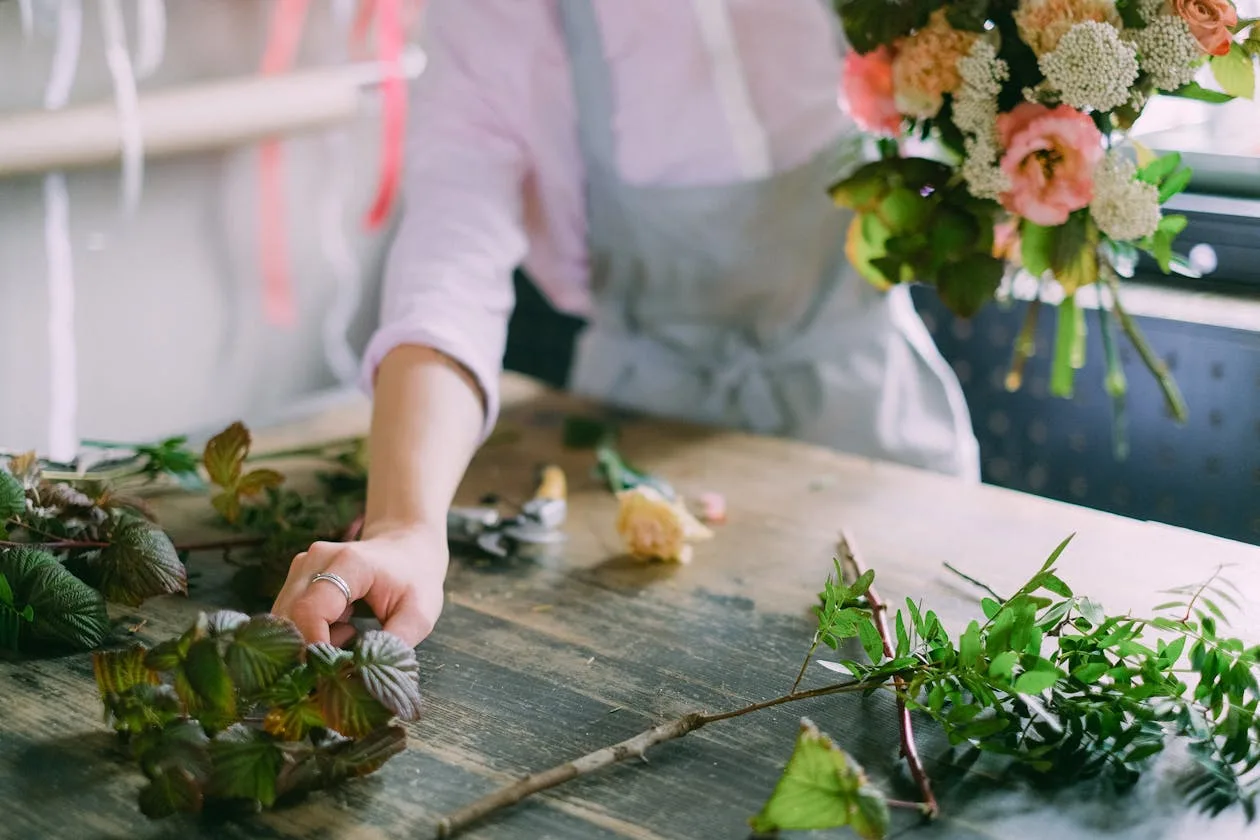
How to Arrange Flowers Like a Florist
Professional flower arranging looks effortless because the principles behind it are simple. Learn the same techniques florists use and your arrangements will immediately improve.
Read more →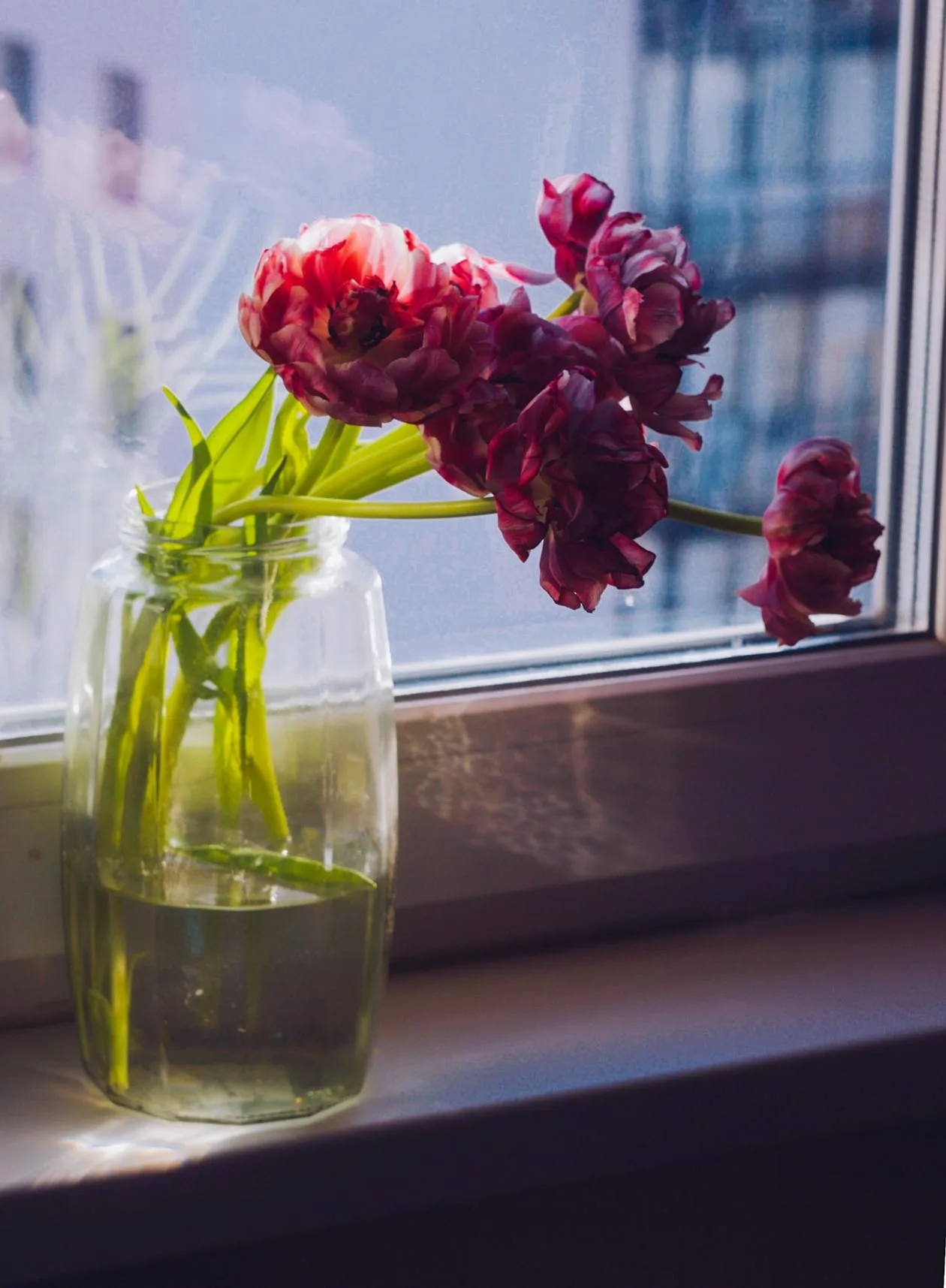
Choosing the Right Vase for Your Flowers
The right vase can make good flowers look great. The wrong one can make great flowers look mediocre. This guide will help you choose and use vases more deliberately.
Read more →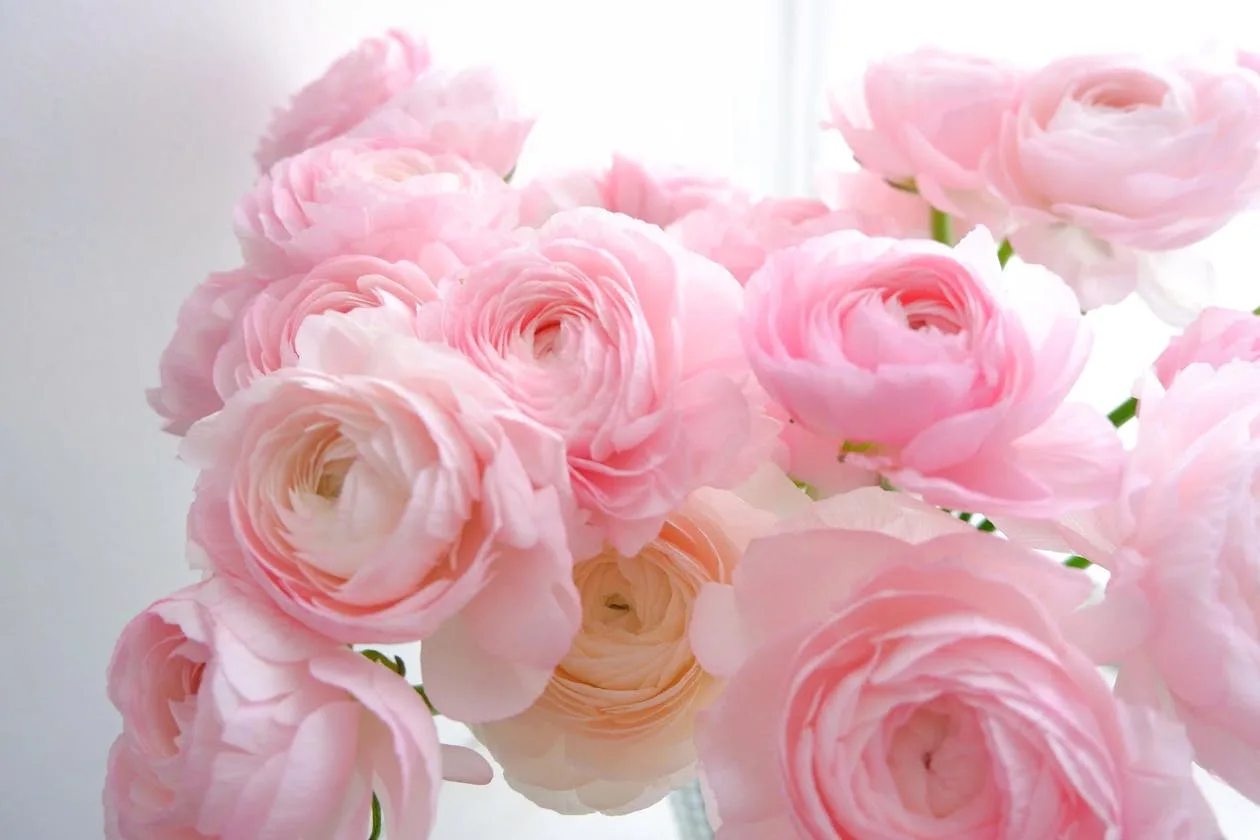
How to Mix Flower Colours With Confidence
Most mixed bouquets fail not because of the flowers chosen but because of how the colours relate to each other. Understanding a few basic principles produces arrangements that look intentional.
Read more →