Choosing the Right Vase for Your Flowers
The right vase can make good flowers look great. The wrong one can make great flowers look mediocre. This guide will help you choose and use vases more deliberately.
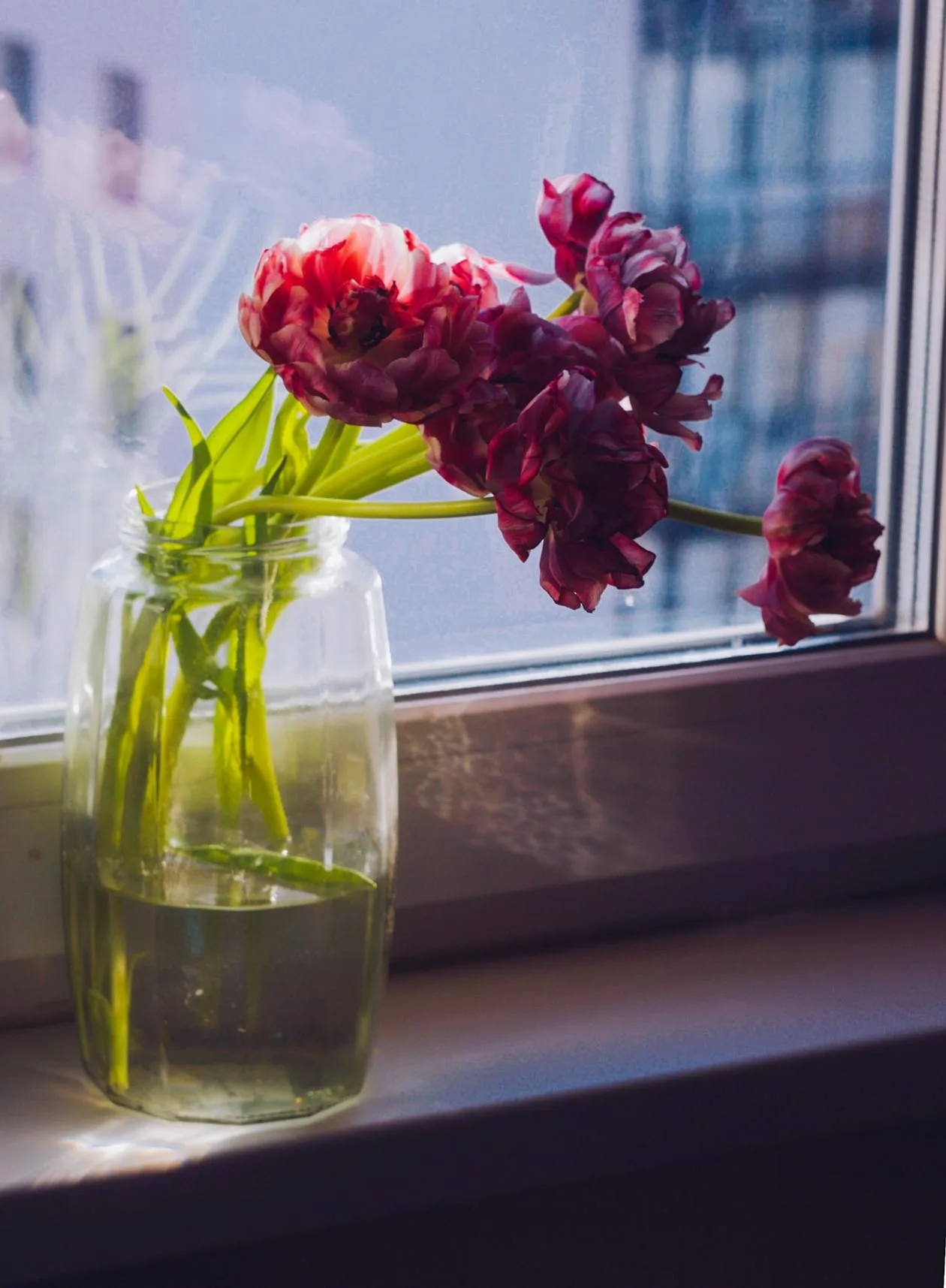
A vase is not neutral. Its shape, size, colour, and material all actively contribute to how the flowers within it are seen. A tight posy of sweet peas in a tall cylinder looks wrong in a way it does not in a low ceramic bowl. A single dramatic dahlia in a squat tumbler has a very different presence from the same flower in a slender bud vase. Understanding the relationship between vase and flower is one of the most undervalued skills in domestic flower arranging.
The tall cylinder: workhouse of the vase world
The tall cylindrical vase is the most commonly owned and most commonly misused vase in Britain. Its straight sides and open neck provide excellent support for long-stemmed flowers: roses, tulips, delphiniums, and gladioli all work beautifully. The mistake most people make is overfilling it: a tall cylinder with seven to nine stems of a single variety has a graphic clarity that a stuffed mixed arrangement in the same vase cannot achieve. Use a tape grid across the top to keep stems positioned correctly.
Wide-mouthed bowls and low vessels
Wide, shallow vessels are the most versatile containers for home flower arranging and the most underused. A wide ceramic bowl, a shallow terracotta pot, or a soup plate filled with wet floral foam or a pin-frog can hold flowers in a natural, spreading arrangement that looks like the garden itself has been brought inside. Roses, peonies, ranunculus, and garden flowers generally work far better in wide, low vessels than in tall ones: their full, open blooms are seen from the front rather than looking down into them.
“A low, wide vase asks the flowers to spread and breathe. A tall, narrow one asks them to stand to attention. Neither is wrong; both have the right occasion.”
Bud vases: the underrated single stem
A collection of different bud vases, each holding one or two stems, is one of the most effective domestic flower displays available. It requires far fewer flowers than a single large arrangement and allows you to appreciate each bloom individually rather than as part of a crowd. Single roses, anemones, ranunculus, or even a stem of eucalyptus with a small dahlia each deserve their own bud vase. Grouped on a windowsill or shelf, a collection of five or six bud vases with different flowers creates a display that looks considered without being expensive.
Vase guide by flower type
- Roses: tall cylinder for long-stemmed varieties; wide bowl for garden roses with shorter stems
- Tulips: tall cylinder or clear glass; tulips continue to grow after cutting and need room
- Peonies: wide-mouthed bowls that show the full open bloom
- Dahlias: bud vases for singles; wide ceramic bowls for arrangements
- Daffodils and narcissus: short, wide-necked vases; condition separately first
- Branches and spikes: tall, heavy vases that will not tip under the weight
- Mixed arrangements: wide-mouthed vessels with a tape grid for structure
Vase colour and material
Clear glass is the most versatile vase material because it disappears: the flowers are the focus and the vase makes no claim on the arrangement. Opaque ceramic and stone vases add their own character: a warm terracotta vase brings an earthy quality to autumnal arrangements; a white ceramic vessel suits simple, graphic arrangements of a single variety; a dark, matte vessel adds drama to pale or vivid flowers. The vase should complement rather than compete with the flowers: if you are unsure, choose clear glass.
Continue reading
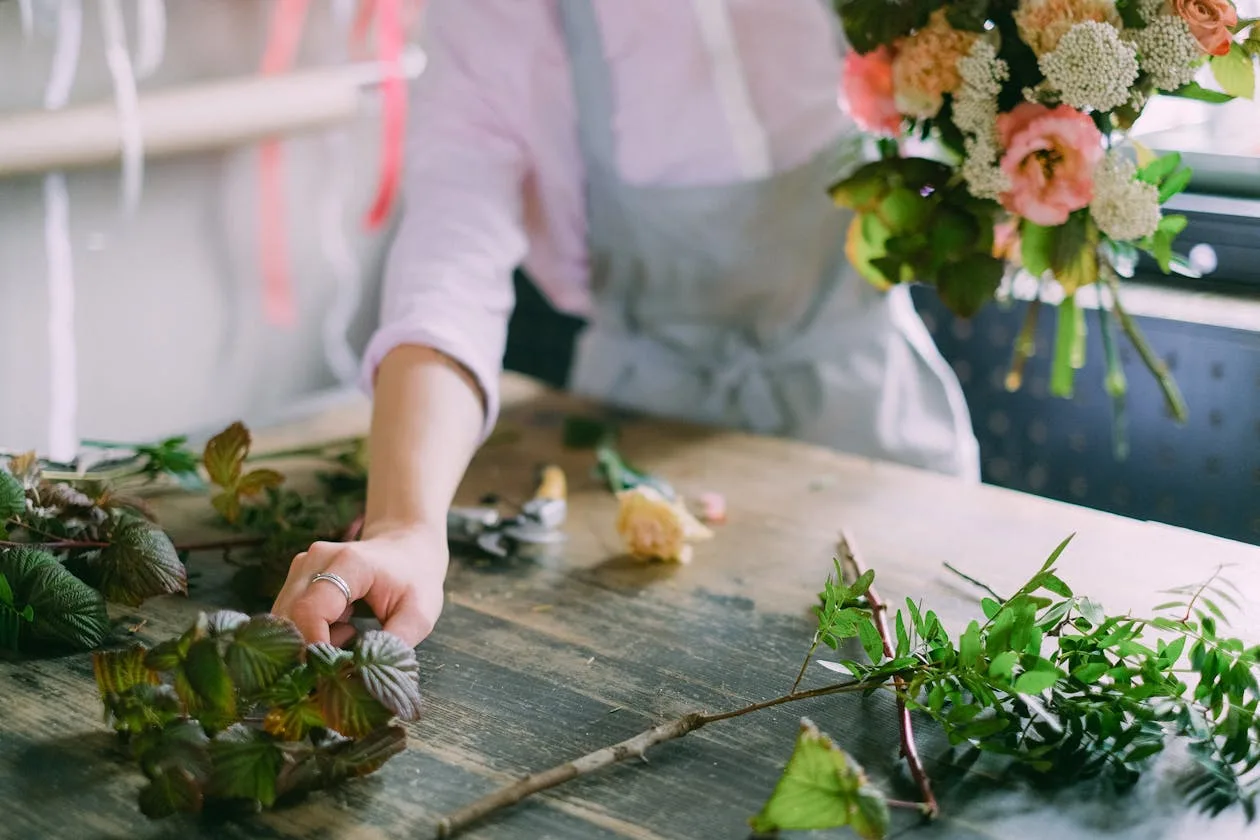
How to Arrange Flowers Like a Florist
Professional flower arranging looks effortless because the principles behind it are simple. Learn the same techniques florists use and your arrangements will immediately improve.
Read more →
Flowers for Small Flats and Compact Rooms
Living in a smaller space does not mean living without flowers. With the right approach, a studio flat or compact sitting room can feel transformed by even a modest floral display.
Read more →
Should You Keep Flowers in the Bedroom?
The idea that plants and flowers should not be kept in bedrooms is persistent and almost entirely unfounded. Here is the actual evidence, and what it means for your choices.
Read more →