Should You Keep Flowers in the Bedroom?
The idea that plants and flowers should not be kept in bedrooms is persistent and almost entirely unfounded. Here is the actual evidence, and what it means for your choices.
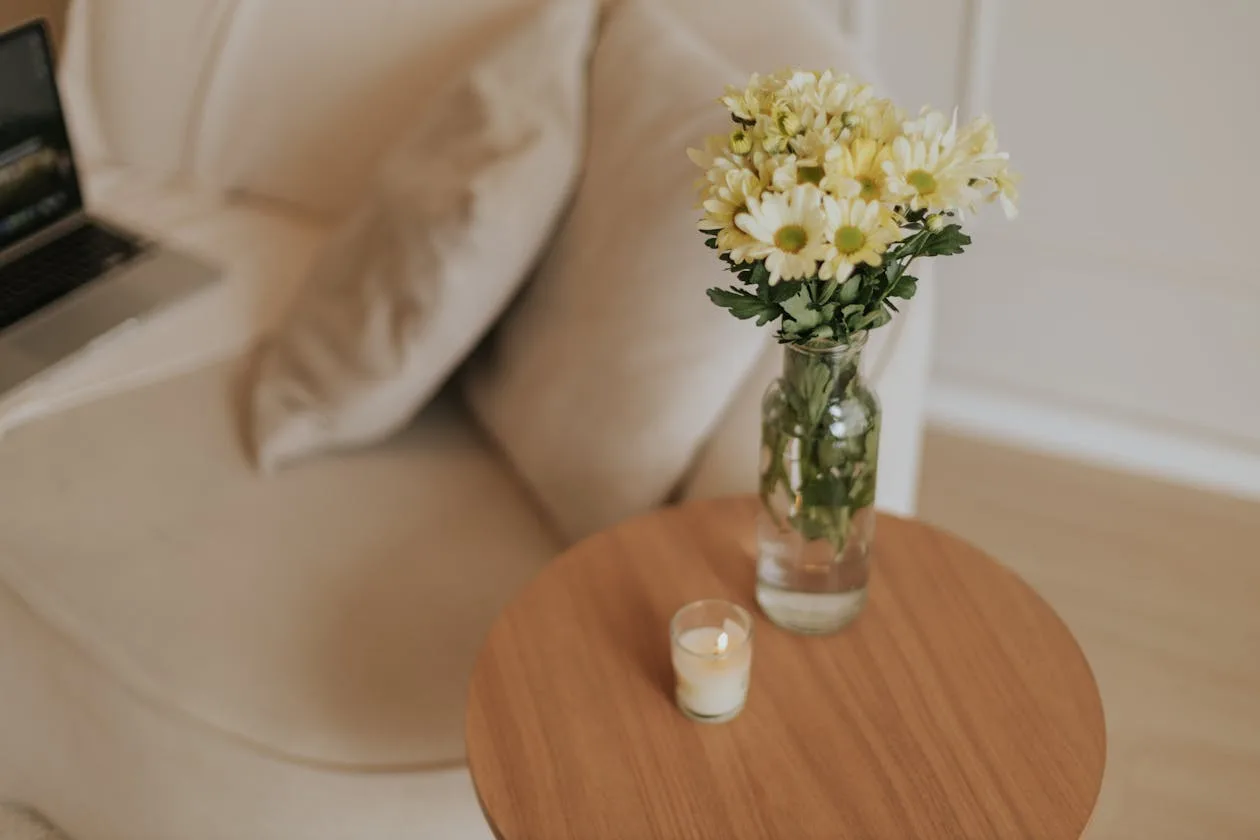
There is a piece of household folklore in Britain suggesting that flowers and plants should not be kept in the bedroom because they consume oxygen at night and produce carbon dioxide, creating an unhealthy sleeping environment. This belief has persisted since at least the Victorian era and continues to deter people from having flowers in their bedrooms. It is almost entirely unfounded, and understanding why reveals something genuinely interesting about how plants actually work.
The photosynthesis myth
Plants do respire continuously, including at night, which means they do absorb a small amount of oxygen and release carbon dioxide in the dark. However, the quantities involved are negligible: a houseplant or a vase of cut flowers in a bedroom consumes less oxygen per night than a sleeping human, and infinitely less than would be required to affect the air quality in a normally ventilated room. The notion that a bedroom orchid is competing with you for oxygen is not supported by any credible physiology.
“The cut flowers on your bedside table consume less oxygen than your sleeping cat. The bedroom flower ban has never had any science behind it.”
The real considerations
The genuine reasons to be thoughtful about bedroom flowers are different from the oxygen myth. Fragrance can disrupt sleep in sensitive individuals: strongly scented flowers such as Oriental lilies, tuberose, and some gardenias may be too overpowering in a small, enclosed space at night. Lily pollen can trigger allergic responses in susceptible people. And stagnant vase water can develop mould, which is genuinely problematic in an enclosed space. These are real considerations worth managing, but none of them constitute a reason to avoid bedroom flowers entirely.
The best flowers for bedrooms
Low-fragrance, low-pollen flowers are ideal for bedrooms. Orchids are perhaps the perfect bedroom flower: beautiful, long-lasting, nearly scentless, and low-maintenance. White and blush roses with minimal fragrance provide visual beauty without olfactory intrusion. Tulips and ranunculus both make excellent bedroom flowers. Lavender is a specific exception: its fragrance is calming rather than disruptive and has been linked in some studies to improved sleep quality.
Bedroom flower guide
- Orchids: ideal bedroom flowers; long-lasting, nearly scentless, architecturally beautiful
- Tulips and ranunculus: elegant, low-scent, visually beautiful
- Lavender: a beneficial exception; fragrance linked to improved sleep
- Avoid strongly scented varieties in the bedroom: Oriental lilies, tuberose, heavily scented roses
- Keep lily pollen well away from bedding: it stains and may trigger allergies
- Change vase water regularly to prevent mould in an enclosed room
- A single stem on a bedside table is often more beautiful than a large arrangement
The psychological case for bedroom flowers
If the myth has no scientific basis, what is the positive case for bedroom flowers? Several small studies have found that waking in a room with flowers or plants is associated with improved mood, reduced anxiety, and a greater sense of wellbeing at the start of the day. Given that the quality of one's morning affects the quality of the entire day, this is not a trivial benefit. A small orchid on a bedside table, a single stem in a bud vase, or a pot of lavender on a windowsill represents a modest investment with a potentially meaningful return.
Continue reading
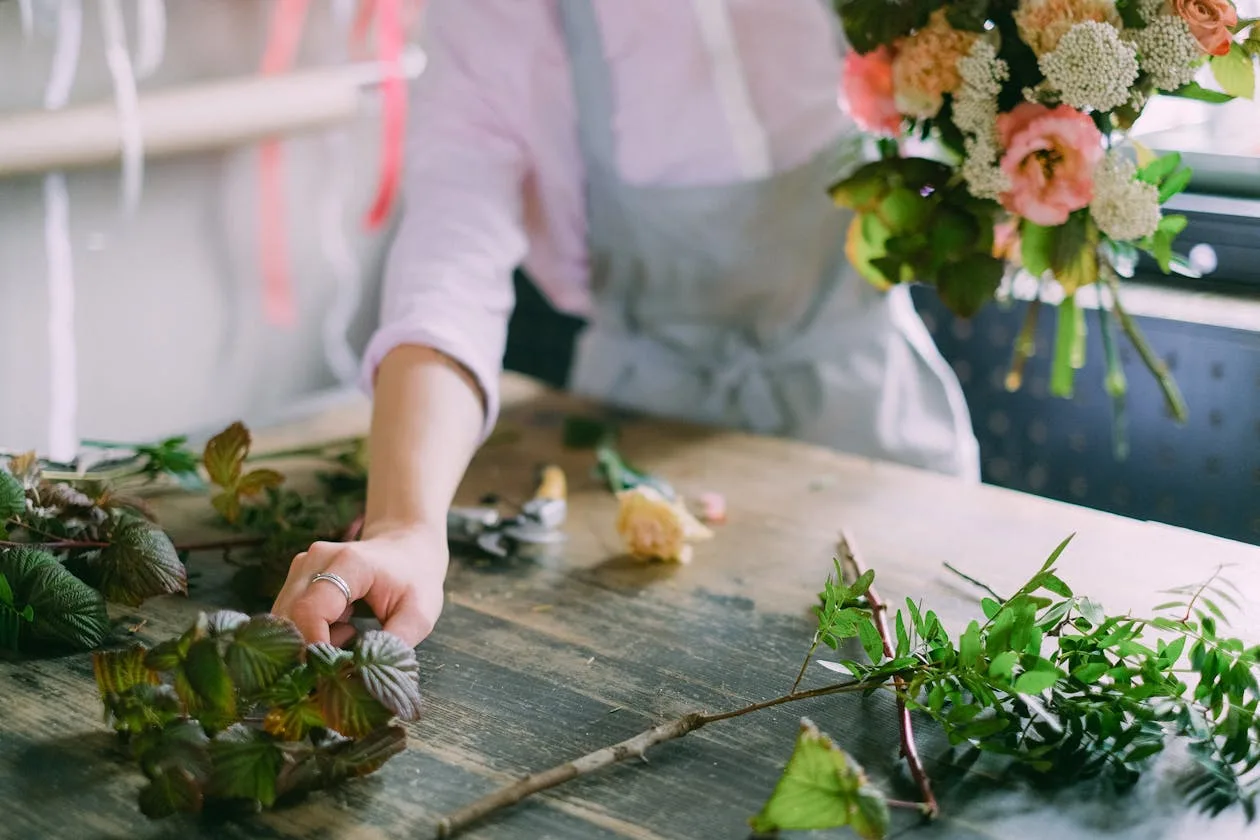
How to Arrange Flowers Like a Florist
Professional flower arranging looks effortless because the principles behind it are simple. Learn the same techniques florists use and your arrangements will immediately improve.
Read more →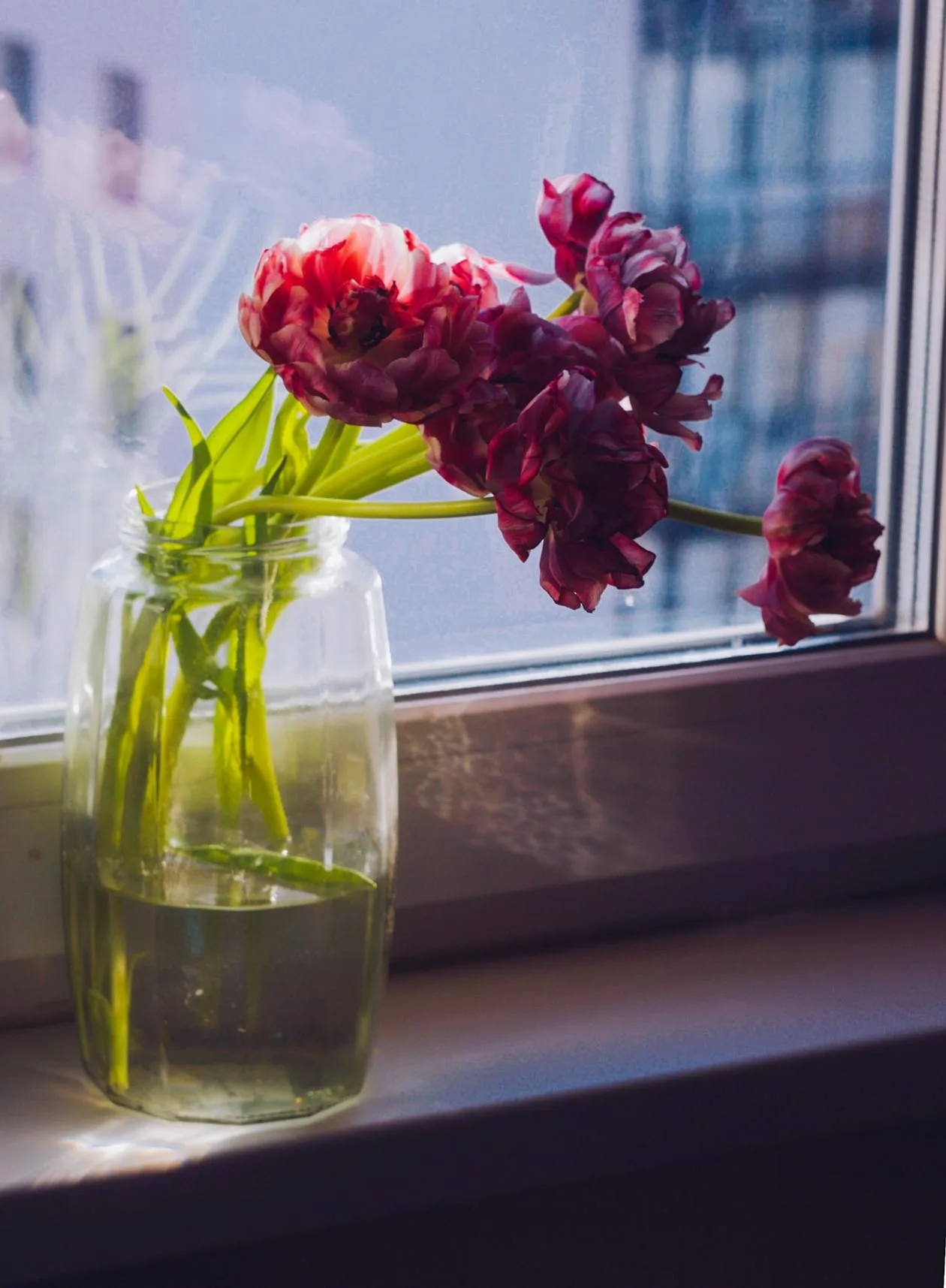
Choosing the Right Vase for Your Flowers
The right vase can make good flowers look great. The wrong one can make great flowers look mediocre. This guide will help you choose and use vases more deliberately.
Read more →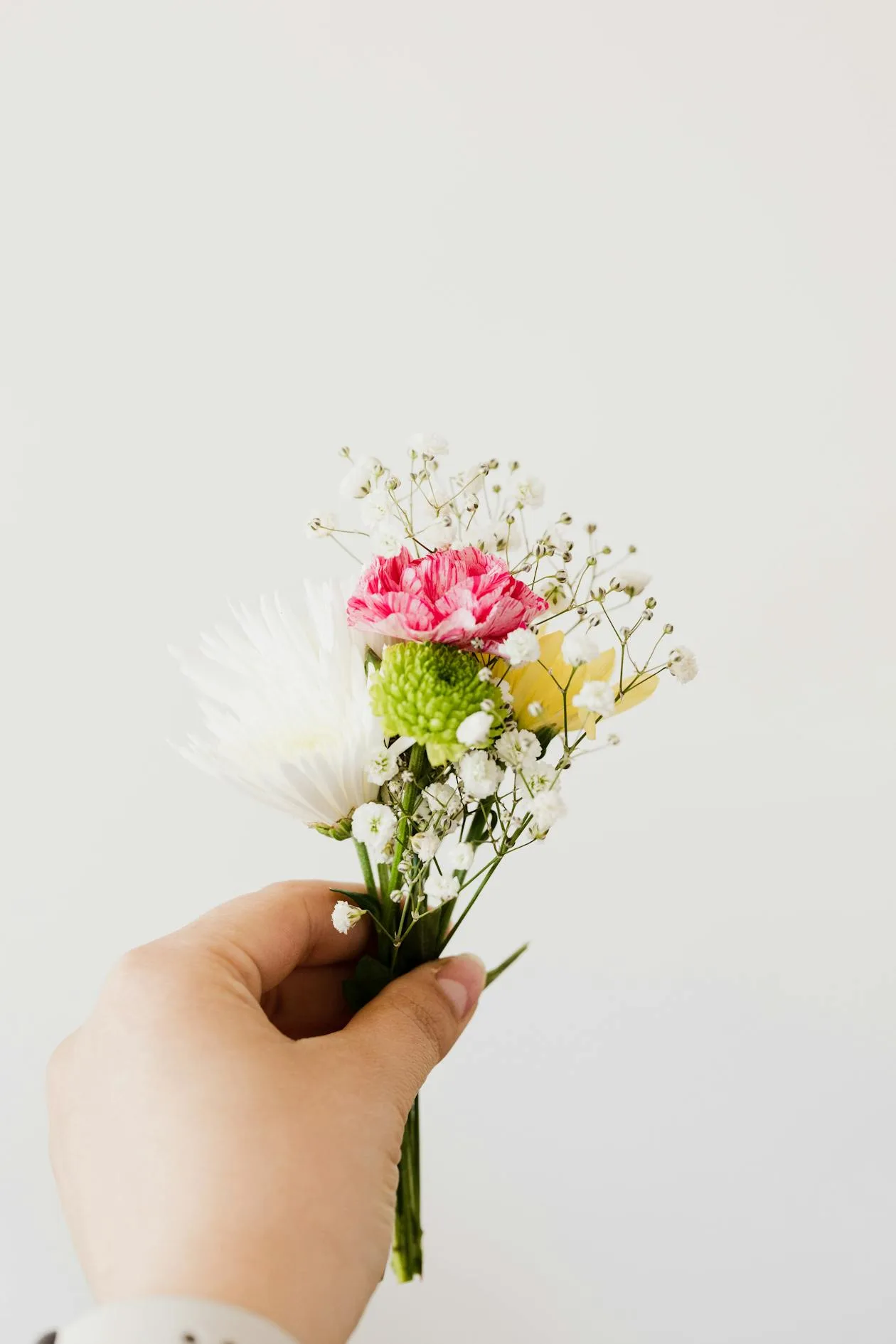
Flowers for Small Flats and Compact Rooms
Living in a smaller space does not mean living without flowers. With the right approach, a studio flat or compact sitting room can feel transformed by even a modest floral display.
Read more →