Valentine's Day Flowers Beyond Red Roses
Red roses are the default Valentine's Day flower, and there is nothing wrong with that. But if you want to say something more particular, the alternatives are more beautiful than you might expect.
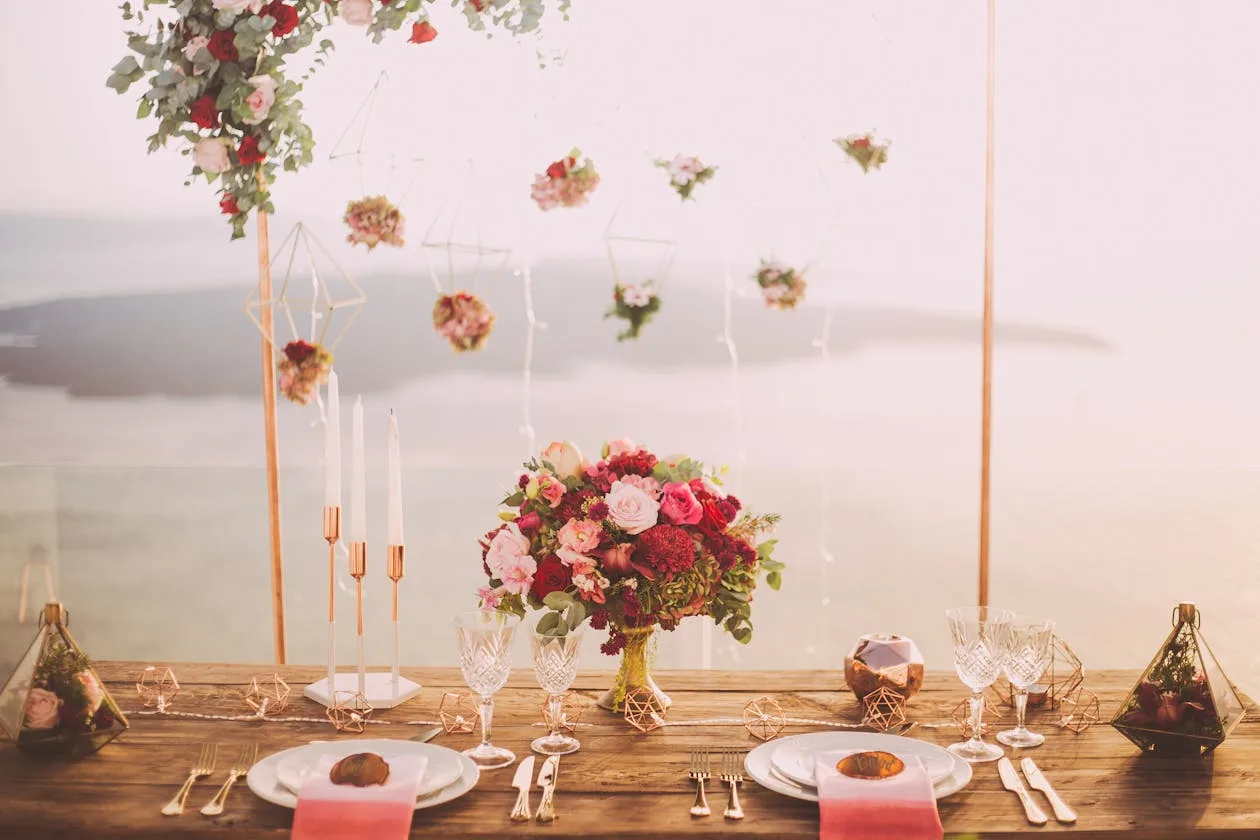
Every February, approximately 25 million red roses are sold in the United Kingdom. The red rose is so completely synonymous with Valentine's Day that choosing an alternative can feel almost contrarian. And yet there are compelling reasons to consider other options: the alternatives can be more beautiful, more personal, more seasonal, and more meaningful. None of this makes the red rose wrong. But it is worth knowing what else February has to offer.
The case for ranunculus
Ranunculus is at peak season in February and March, and its layered, ruffled blooms have an intimacy and complexity that roses, for all their beauty, sometimes lack. A bouquet of ranunculus in deep red, burgundy, and blush, or in the softest creams and pinks, is every bit as romantic as roses and considerably less expected. Ranunculus also lasts longer than most cut roses, which gives your Valentine more days with the flowers.
Tulips: the clean romantic
Red tulips carry almost identical symbolic weight to red roses in the language of flowers: they mean passionate love and have done so since the Ottoman Empire, from which the tulip came to Europe. A bunch of red or deep burgundy tulips for Valentine's Day is both romantic and beautifully seasonal: February is peak tulip season in the UK. Pink tulips signal affection and happiness; the parrot and fringed varieties add a theatrical touch to a romantic arrangement.
“A red tulip says exactly what a red rose says, but it says it in February's own language rather than in a borrowed idiom.”
Anemones: dramatic and unusual
A Valentine's arrangement built around deep crimson and violet anemones, with their jet-black centres, is one of the most visually striking things a florist can produce in February. The jewel-bright colours are intensely romantic; the dark centres create a focal drama that roses, for all their beauty, do not quite replicate. Five stems of mixed red and deep violet anemones in a simple glass vase is a genuinely beautiful Valentine's Day gift.
Valentine's Day flower alternatives
- Ranunculus: peak season in February, ruffled and layered, exceptionally romantic
- Red tulips: carry identical symbolic meaning to red roses, beautifully seasonal
- Anemones: dramatic, jewel-bright, with their signature dark centres
- Fragrant narcissus: intimate and beautiful, fills a room with scent
- Sweet-scented roses in unusual colours: peach, apricot, or dusky mauve say something more individual than red
- A single variety in abundance: ten stems of the same flower is more confident than a mixed bunch
- Order early: Valentine's Day is the UK's busiest flower day; florists reach capacity days before
If you do choose roses
If the red rose is what you want, choose it with confidence and invest in quality. The difference between supermarket roses and florist-quality garden roses, particularly the larger-headed, more fragrant varieties from specialist growers, is significant. For Valentine's Day, a dozen premium garden roses will make a far stronger impression than two dozen tightly budded supermarket stems. Fragrance is the element that supermarket roses most often lack: seek out varieties specifically described as fragrant.
Continue reading
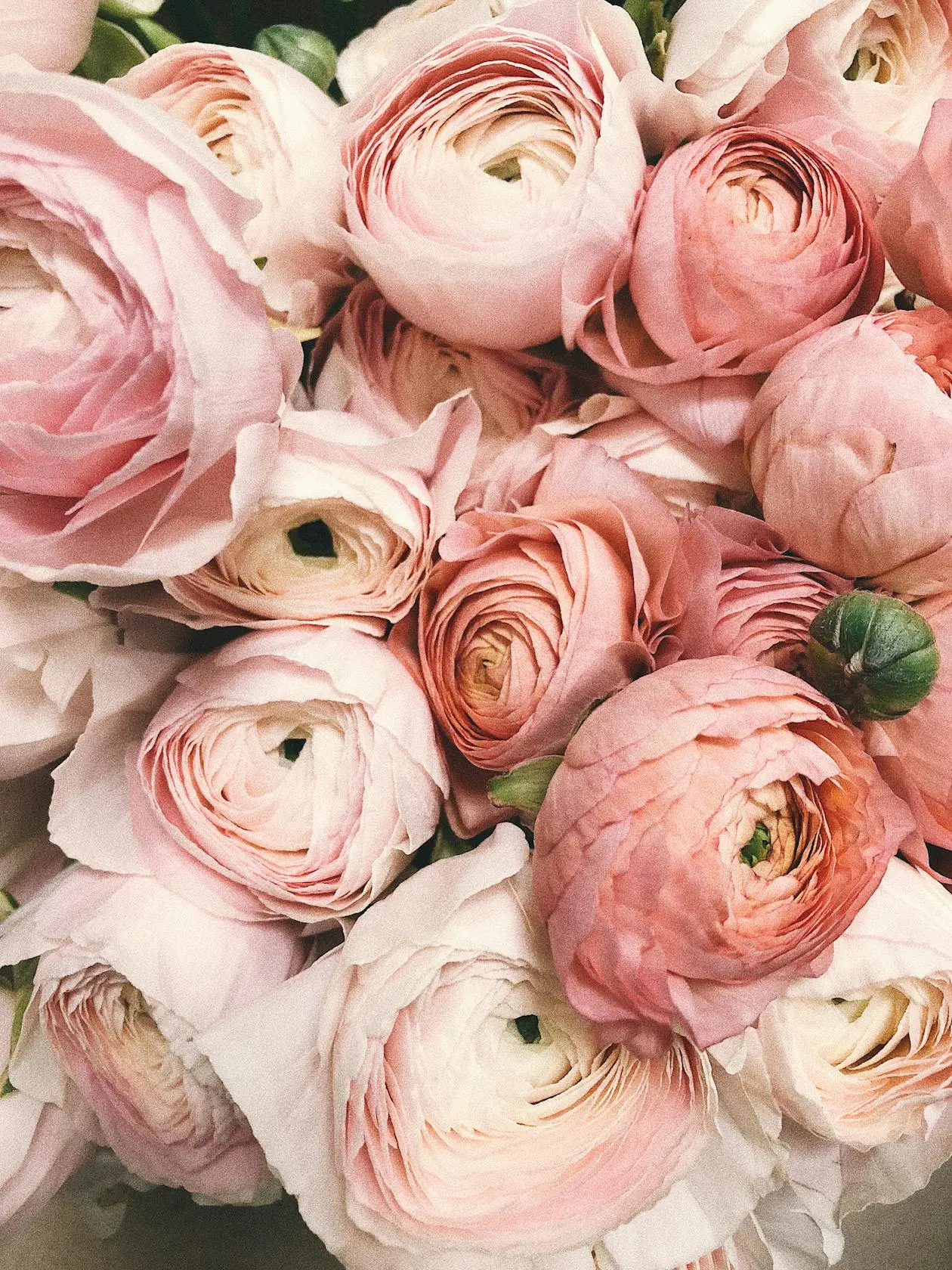
The Language of Roses: What Every Colour Means
For centuries, roses have spoken a language all their own. A single stem can say what words struggle to capture — but only if you choose the right colour.
Read more →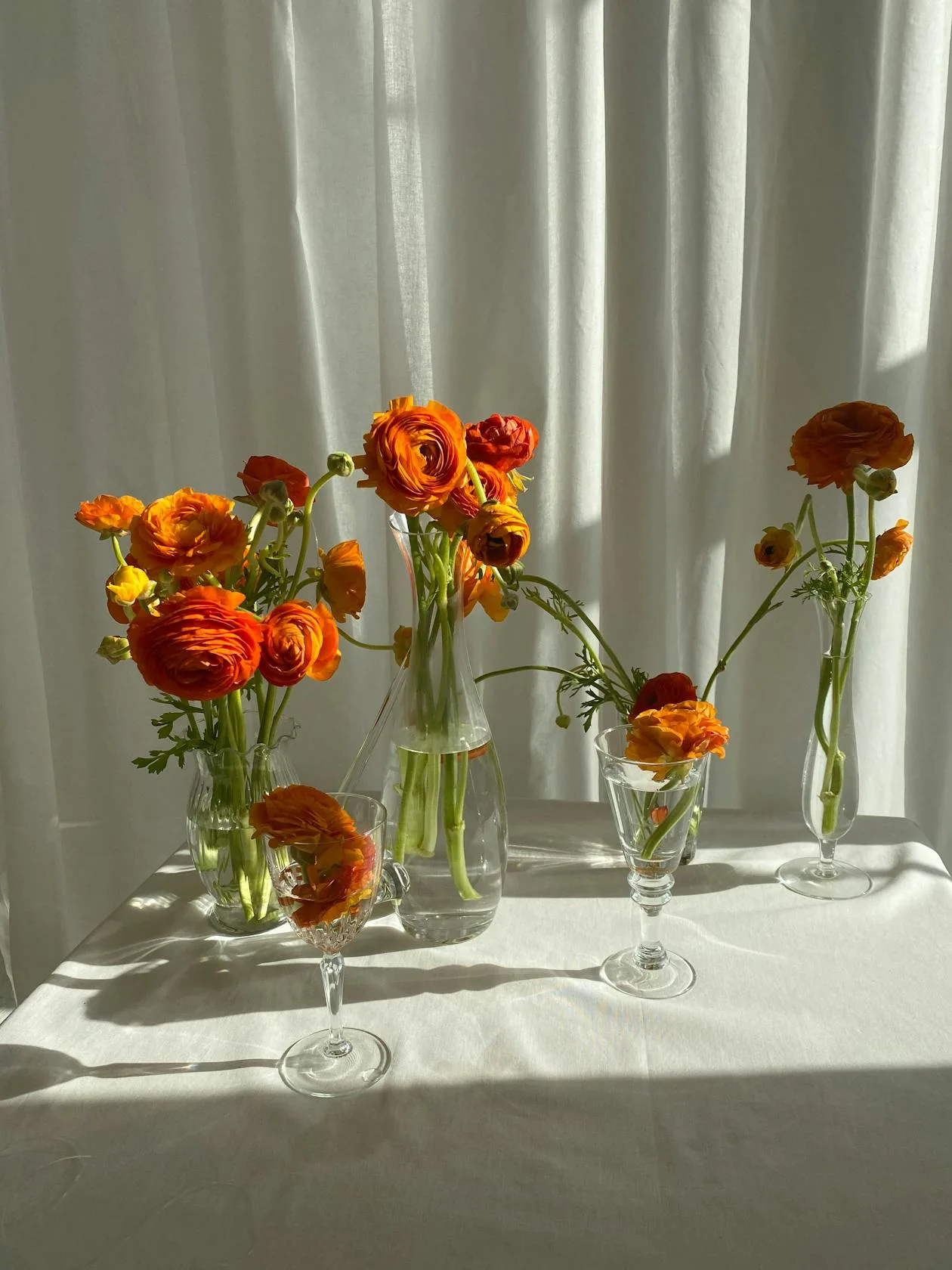
Ranunculus: The Florist's Best-Kept Secret
Ask a professional florist which flower they reach for when they want to create something genuinely extraordinary, and the answer is often the same: ranunculus. Here is why.
Read more →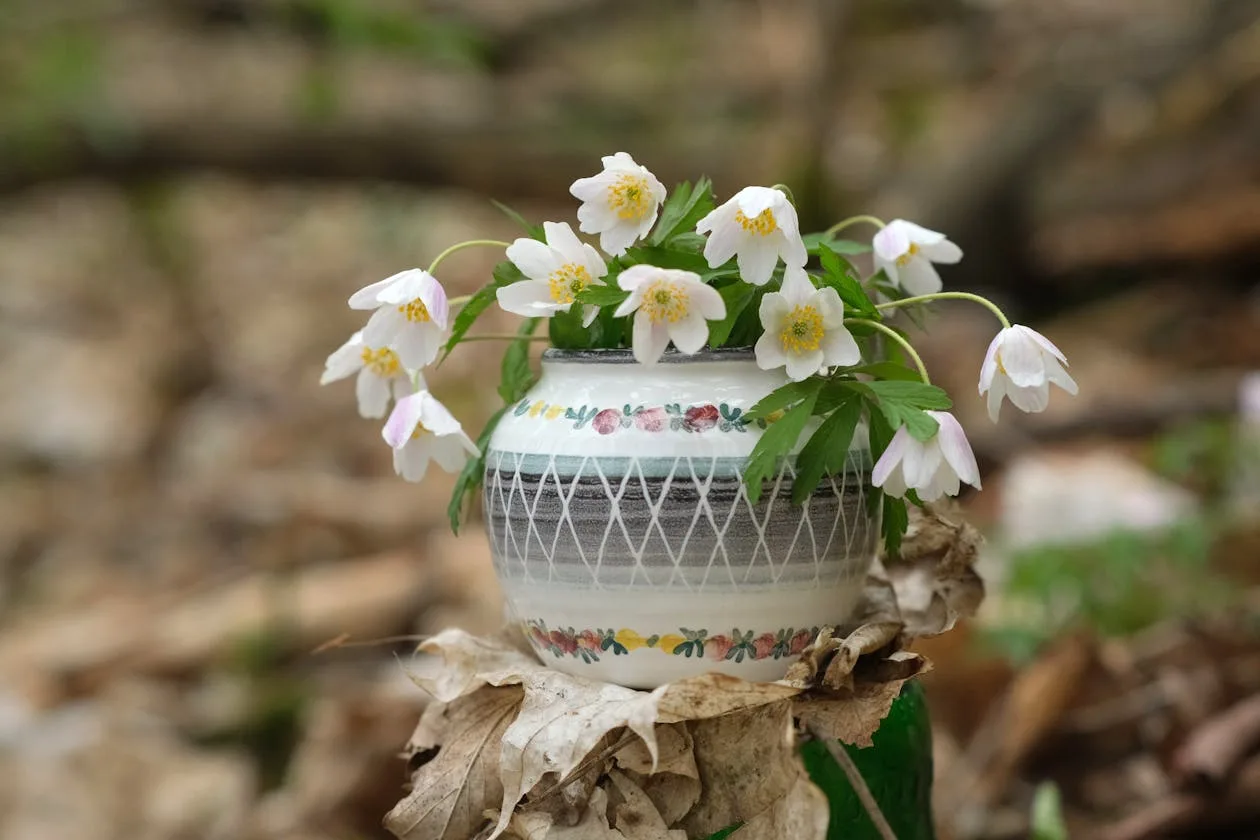
Anemones: The Drama of a Single Stem
Dark-centred, jewel-bright, and available only in the cooler months, the anemone is a flower of quiet drama. Once you have seen one, you will always know to look for them.
Read more →