Anemones: The Drama of a Single Stem
Dark-centred, jewel-bright, and available only in the cooler months, the anemone is a flower of quiet drama. Once you have seen one, you will always know to look for them.
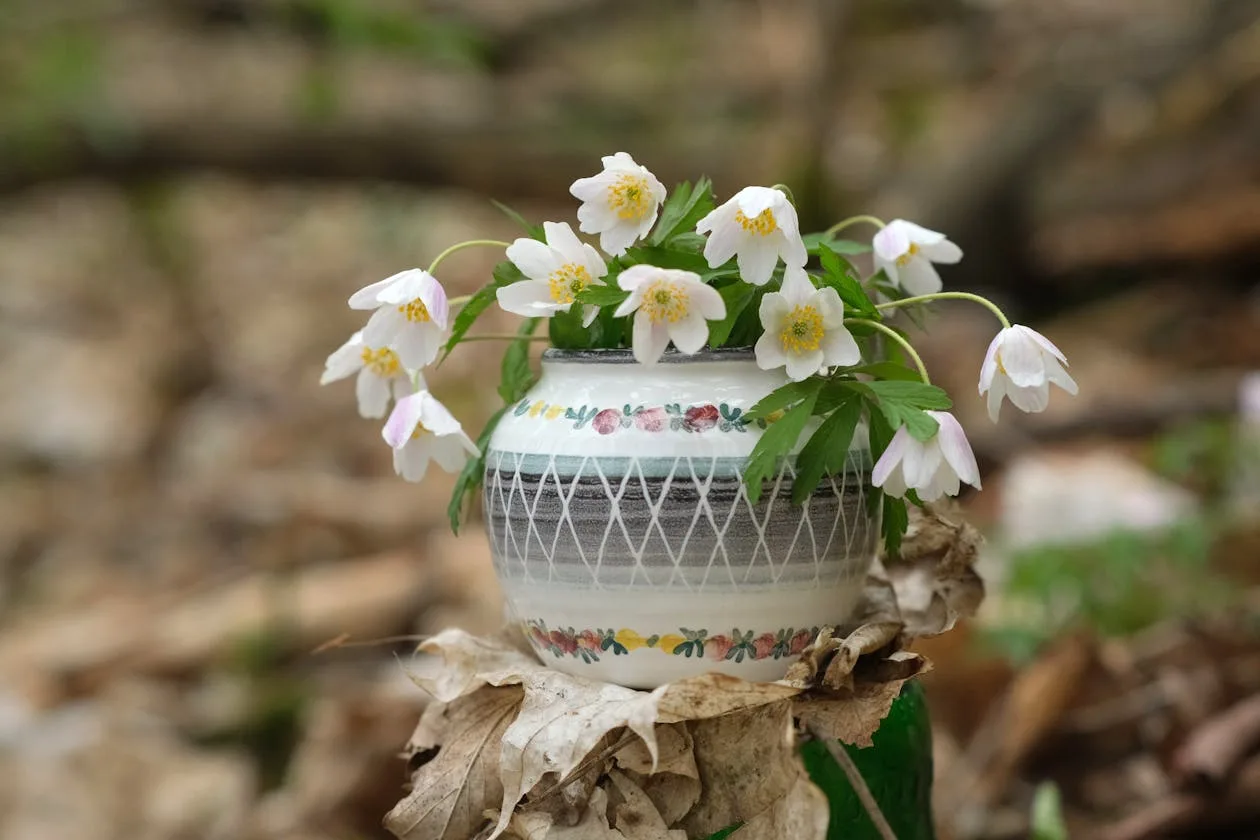
The anemone is the flower of contradictions. It is delicate in appearance but robust in character, available only in the cool months and yet one of the most striking blooms a florist can offer. Its petals are silky and translucent, almost luminous against the light. Its centre is a dark, near-black cluster of stamens that draws the eye like a full stop at the end of a sentence. A handful of anemones in a simple glass vase is one of the most effortlessly beautiful things you can put on a table.
The anemone calendar
Anemone coronaria — the florist's anemone — is a cool-season flower available from November through to April in the UK, with the peak supply usually running from January to March. Like ranunculus, it does not thrive in warm weather and quality drops significantly once temperatures rise in late spring. This seasonal window is short and worth making the most of. From May onwards, anemones largely disappear from florist shelves until the following autumn.
Varieties and colour
The Meron series and Mistral series are the most commonly grown commercial varieties, producing large blooms on long, straight stems. The colour palette runs from the iconic deep violet-blue and rich crimson through to pure white, pastel pink, and vivid magenta. One of the most prized combinations is the white anemone with its jet-black centre, which has become a staple of editorial floristry and a signature of contemporary minimal arrangements. Bi-coloured varieties, with lighter petal edges, are increasingly available from specialist growers.
“The dark centre of an anemone is one of nature's most perfect design choices: a point of gravity around which everything else orbits.”
Working with anemones
- Buy with buds just beginning to open for maximum longevity
- Anemone stems are hollow and prefer shallow water rather than a deep vase
- They continue to open after cutting: buds bought closed will bloom over several days
- Anemones follow the light — they will turn towards a window, which can be used deliberately in arrangements
- They close at night and reopen in the morning, which is perfectly normal
- Vase life is typically five to seven days: keep cool for best results
Meaning and mythology
In Greek mythology, the anemone sprang from the blood of Adonis, the mortal beloved of Aphrodite. This origin story gave the flower associations with transience, loss, and fragile beauty — meanings that feel appropriate given its brief seasonal window. In the Victorian language of flowers, an anemone could mean either 'forsaken' or 'anticipation', depending on the context. In contemporary floristry, it has shed most of its melancholy associations and is simply prized for its beauty and its striking contrast between petal and centre.
In cut flower arrangements, anemones work best when grouped together rather than scattered through a mixed bouquet, where their individual drama can be lost. Three to five stems in a bud vase or low ceramic bowl, perhaps with a little foliage and nothing else, is one of the most satisfying flower arrangements you can make in winter.
Continue reading
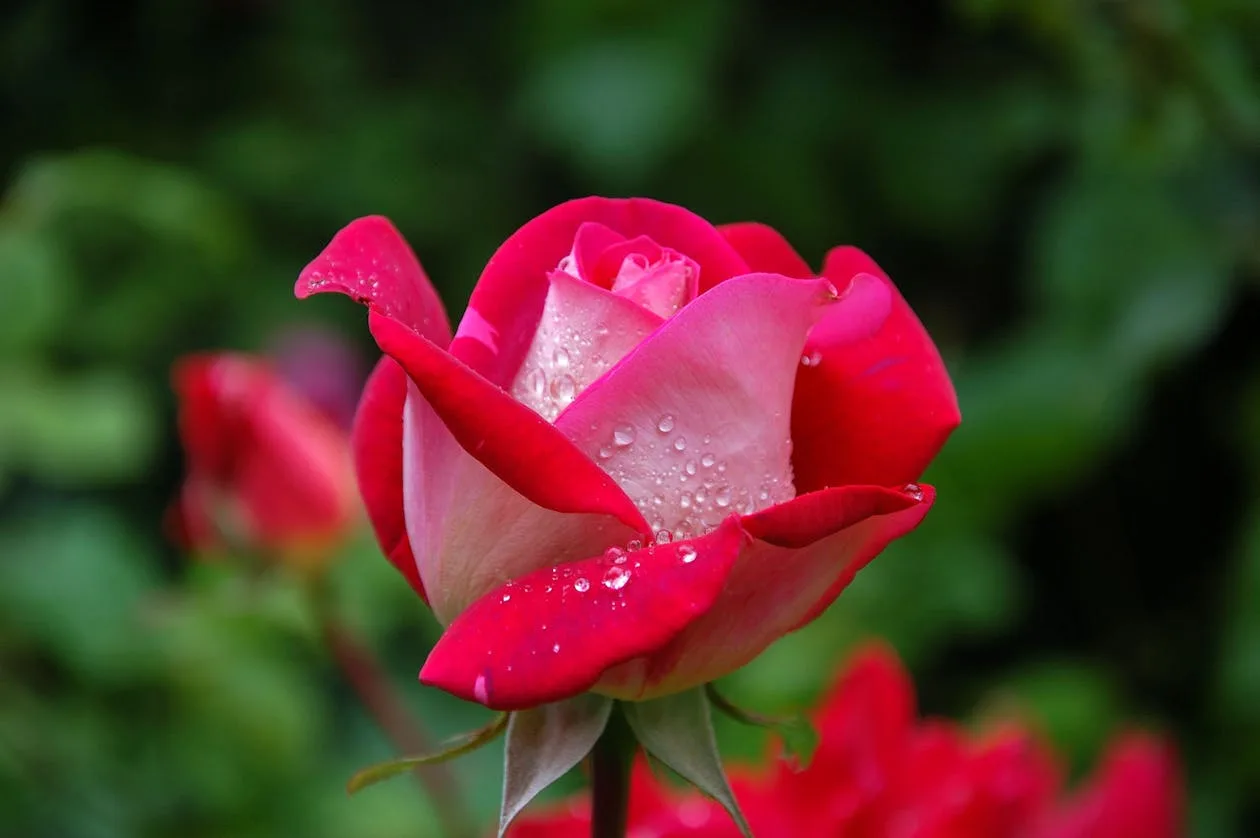
The Art of the Single Stem
One flower, chosen well and given with intention, can say more than a dozen. Here is the case for the most underrated gesture in floristry.
Read more →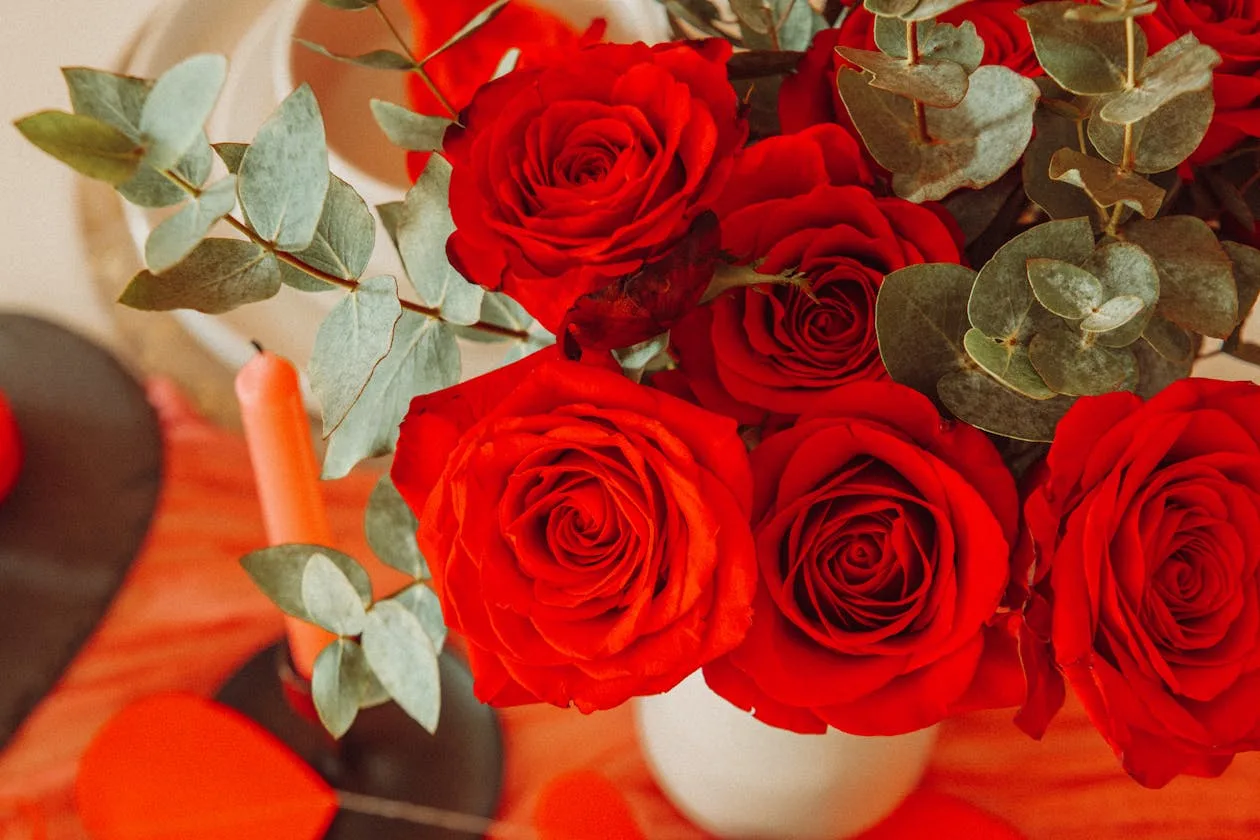
Winter Flowers: Beauty in the Coldest Months
Winter does not mean no flowers. It means different flowers, chosen for the season. Here is what Britain grows and imports through December, January, and February.
Read more →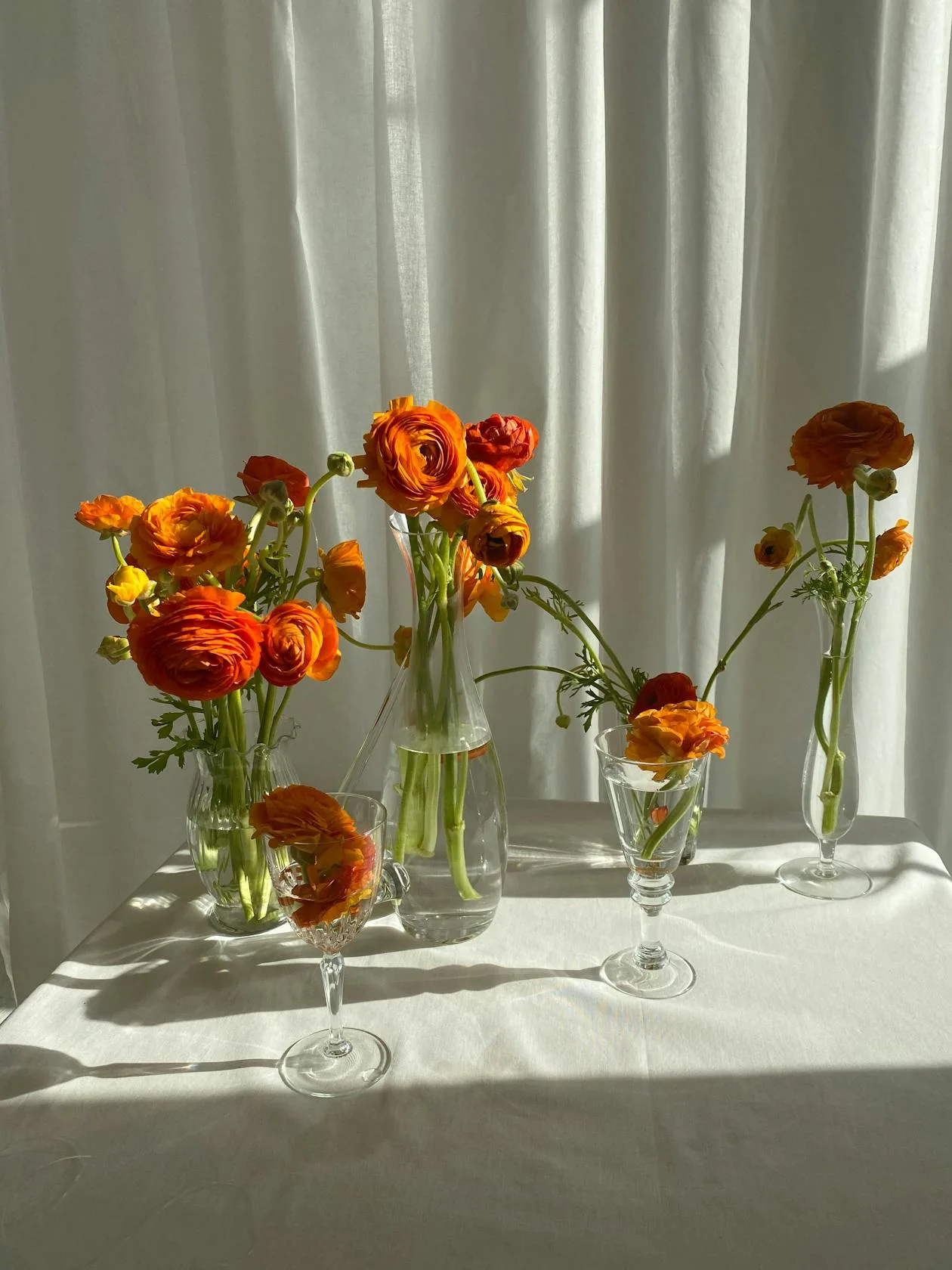
Ranunculus: The Florist's Best-Kept Secret
Ask a professional florist which flower they reach for when they want to create something genuinely extraordinary, and the answer is often the same: ranunculus. Here is why.
Read more →