Tulip Colours and What They Mean
Roses have a well-known colour language, but tulips carry their own set of meanings that are both distinct and surprisingly nuanced. Here is what each colour communicates.
Tulips are the second-most recognisable flower in the world after roses, and like roses they carry a colour language with real depth. That language is less universally known than the rose's, which means using it well communicates something additional: that you know flowers well enough to choose with precision. A bunch of yellow tulips is not simply a yellow bunch of flowers. It is a very specific statement about friendship, warmth, and cheerfulness that a bunch of yellow anything else does not quite replicate.
Red: declaration
Red tulips share something with red roses: they speak of love and declaration, but with a different quality. Where red roses are heavy and solemn, red tulips are energetic and optimistic. The traditional meaning of a red tulip is a declaration of love that carries within it a degree of irresistible passion: the tulip was historically associated with the phrase 'I am in love with you whether I want to be or not'. For a new relationship or a love that feels almost surprising in its intensity, red tulips are precisely right.
Yellow: cheerfulness and friendship
Yellow tulips mean cheerfulness, warmth, and sunshine — and, specifically, the warmth of friendship rather than romance. They are among the very best birthday flowers for a close friend, a celebration flower without romantic connotation, and an ideal choice for thanking someone who has done something kind. Unlike yellow roses, which retain a faint Victorian association with jealousy that has never entirely faded, yellow tulips carry no historical negative meaning.
Pink: affection and good wishes
Pink tulips speak of caring, affection, and good wishes: warm but not romantic, generous but not intense. They are ideal for Mother's Day, for a friend going through a difficult time, for a thank-you that carries real warmth, and for any occasion where you want to say I care about you without the romantic weight of red. Deep pink moves closer to passion; pale blush stays resolutely in the territory of gentle affection.
White: purity and forgiveness
White tulips carry a particular meaning that other white flowers do not: they are the traditional flower of apology and forgiveness. In Holland, where tulip symbolism is most developed, white tulips sent after an argument or misunderstanding are understood to be a request to begin again. They also speak of purity and new beginnings in the broader sense, making them a beautiful choice for a new home, a new relationship at its very beginning, or a wedding gift.
Purple: royalty and admiration
Purple tulips have historically been associated with royalty and privilege, partly because purple dyes were historically expensive and rare. In the contemporary language of flowers they speak of admiration and respect, of honouring someone for their qualities rather than expressing emotion. They are a good choice for professional acknowledgements, for giving to someone you admire from a slight distance, and for occasions that call for dignity rather than warmth.
Tulip colour reference
- Red: passionate love, declaration, irresistible attraction
- Yellow: friendship, cheerfulness, warmth, celebration
- Pink: caring, affection, good wishes, Mother's Day
- White: forgiveness, new beginnings, purity, apology
- Purple: admiration, respect, dignity, royalty
- Orange: enthusiasm, desire, fascination (also well-being and energy)
Continue reading
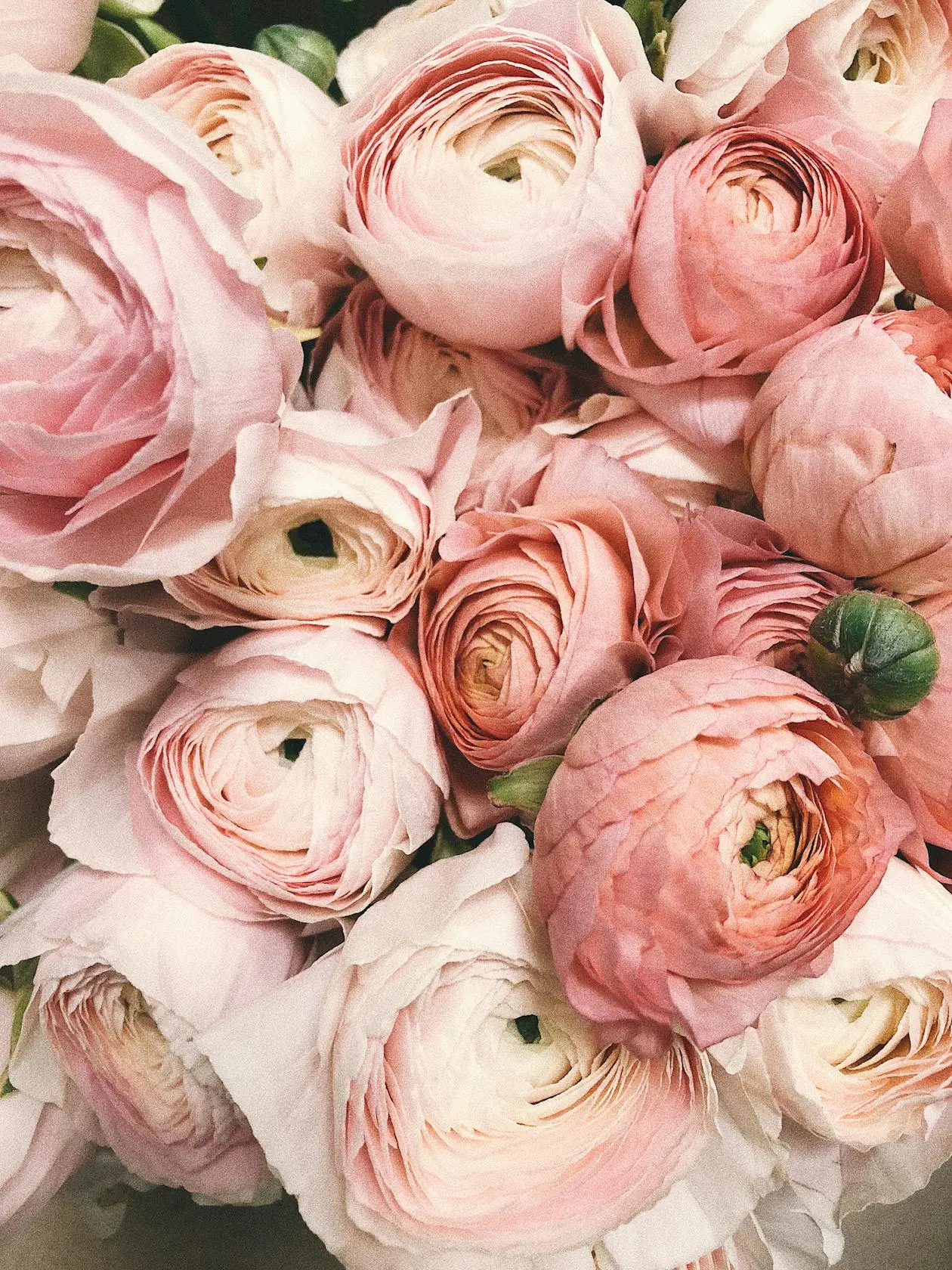
The Language of Roses: What Every Colour Means
For centuries, roses have spoken a language all their own. A single stem can say what words struggle to capture — but only if you choose the right colour.
Read more →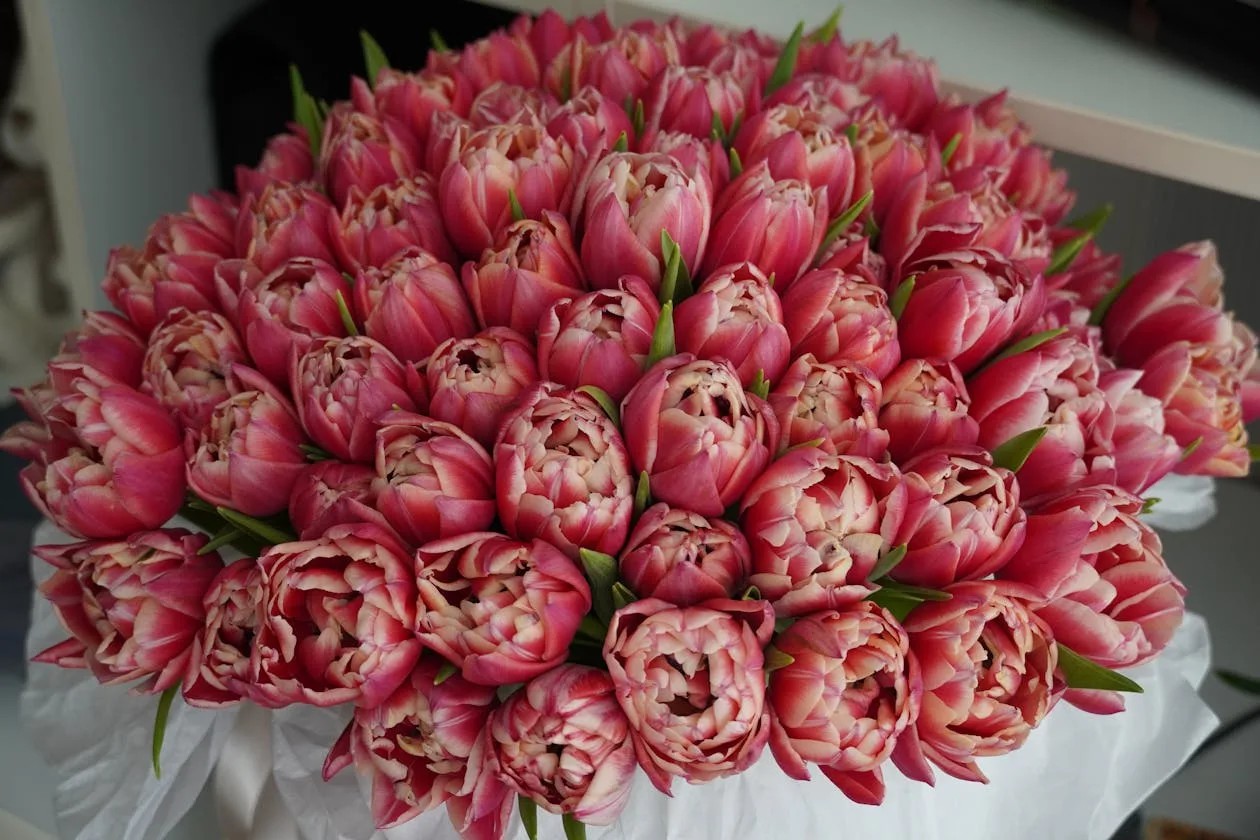
The Complete Tulip Guide
From species tulips to dinner-plate parrot varieties, tulips are more varied and interesting than most people realise. Here is everything worth knowing.
Read more →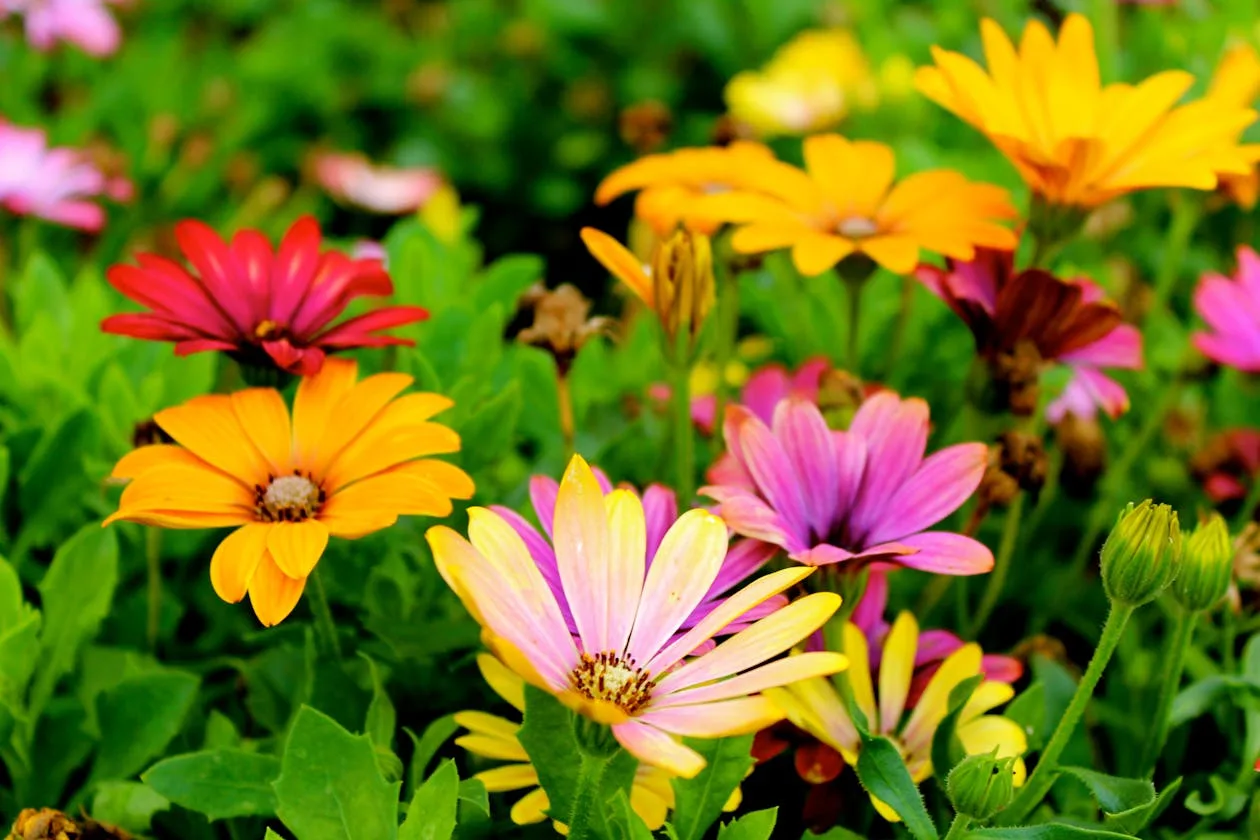
A Practical Guide to Flower Colour Meanings
Colour in flowers carries meaning that transcends fashion and tradition. Understanding what different colours communicate helps you choose more deliberately and receive more perceptively.
Read more →