A Practical Guide to Flower Colour Meanings
Colour in flowers carries meaning that transcends fashion and tradition. Understanding what different colours communicate helps you choose more deliberately and receive more perceptively.
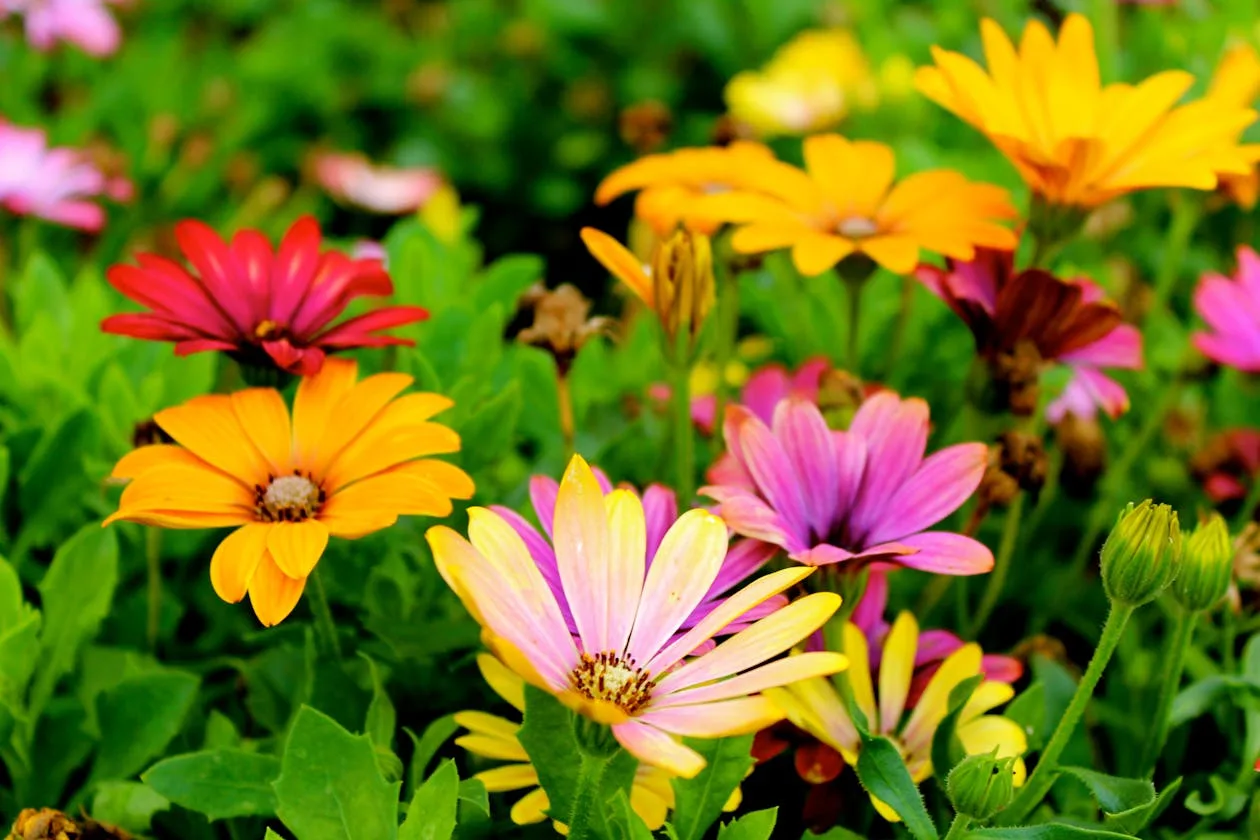
Colour is the first thing we register when we see a flower and the last thing we often think carefully about when choosing one. We gravitate to certain shades instinctively: reds for romance, yellows for cheerfulness, whites for weddings. But these instincts are a simplification of a genuinely rich visual language that varies across cultures, contexts, and centuries. A more deliberate understanding of flower colour helps you communicate more precisely through the flowers you choose.
Red: love, passion, and urgency
Red is the most emotionally charged colour in the flower spectrum. Physiologically, red raises the heart rate and stimulates appetite, which is why it became the universal colour of romantic love and desire. In flowers, red communicates with an intensity that other colours cannot match. Red roses are the most obvious expression of this, but red tulips, red anemones, and deep red dahlias all carry the same warmth. Deep, dark reds such as burgundy and claret suggest a love that is mature rather than impulsive.
Pink: tenderness and appreciation
Pink spans an enormous range of emotional registers depending on its shade. Pale blush pink is gentle, tender, and romantic without the weight of red: ideal for new romance, new babies, and maternal occasions. Mid-pink is joyful and celebratory. Deep, hot pink carries confidence and bold appreciation. Pink flowers are the most versatile in the spectrum, working across almost every flower-giving occasion.
White: purity, reverence, and new beginnings
White is the colour of both weddings and funerals in Western tradition: of new beginnings and of endings. This apparent contradiction makes sense when you understand that white represents purity and sincerity across both contexts. In some East Asian cultures, white flowers are strongly associated with mourning and should be chosen with care in cross-cultural gifting situations.
Yellow, purple, and beyond
Yellow flowers carry uncomplicated joy and warmth: sunflowers, daffodils, and yellow roses are all flowers of friendship and celebration. Purple and lavender tones communicate dignity, grace, and calm authority, a consequence of the historical rarity of purple dye which made it the colour of royalty and spirituality. Orange signals enthusiasm and the thrill of something new: it is the colour of congratulation and fresh beginnings.
“The language of flower colour is not a code to be cracked. It is a vocabulary to be added to: each flower you send teaching the recipient something about how you see them.”
Quick colour reference guide
- Red: passionate love, desire, deep emotion — Valentine's Day, anniversaries
- Pink: tenderness, appreciation, celebration — birthdays, Mother's Day, new babies
- White: purity, reverence, new beginnings — weddings, funerals, sympathy
- Yellow: friendship, warmth, joy — birthdays, thank-yous, get-well
- Purple and lavender: dignity, grace, mystery — condolence, formal occasions
- Orange: enthusiasm, energy, congratulation — achievements, new beginnings
- Peach and blush: warmth, gratitude, sincerity — thank-yous, gentle romance
Continue reading
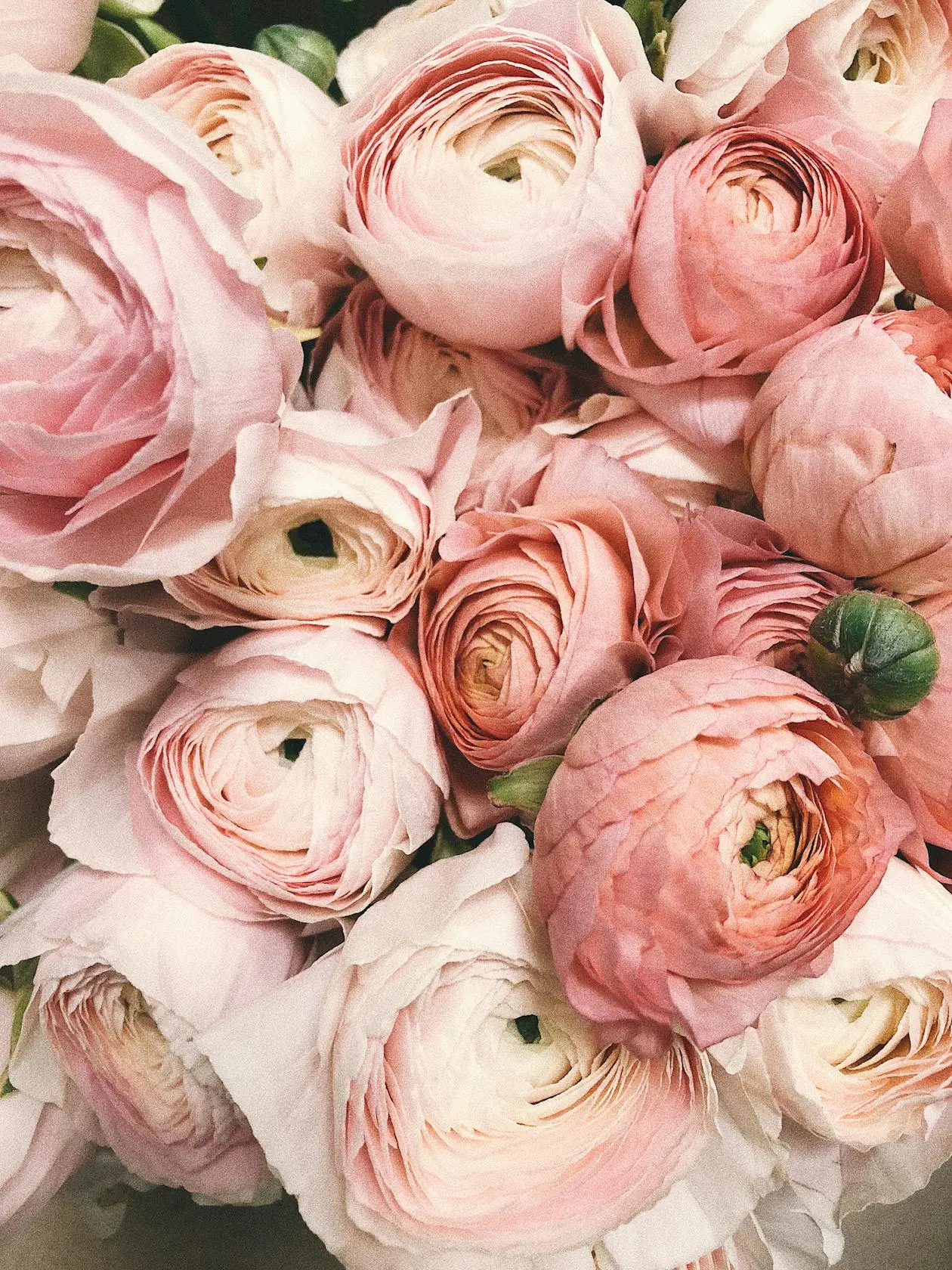
The Language of Roses: What Every Colour Means
For centuries, roses have spoken a language all their own. A single stem can say what words struggle to capture — but only if you choose the right colour.
Read more →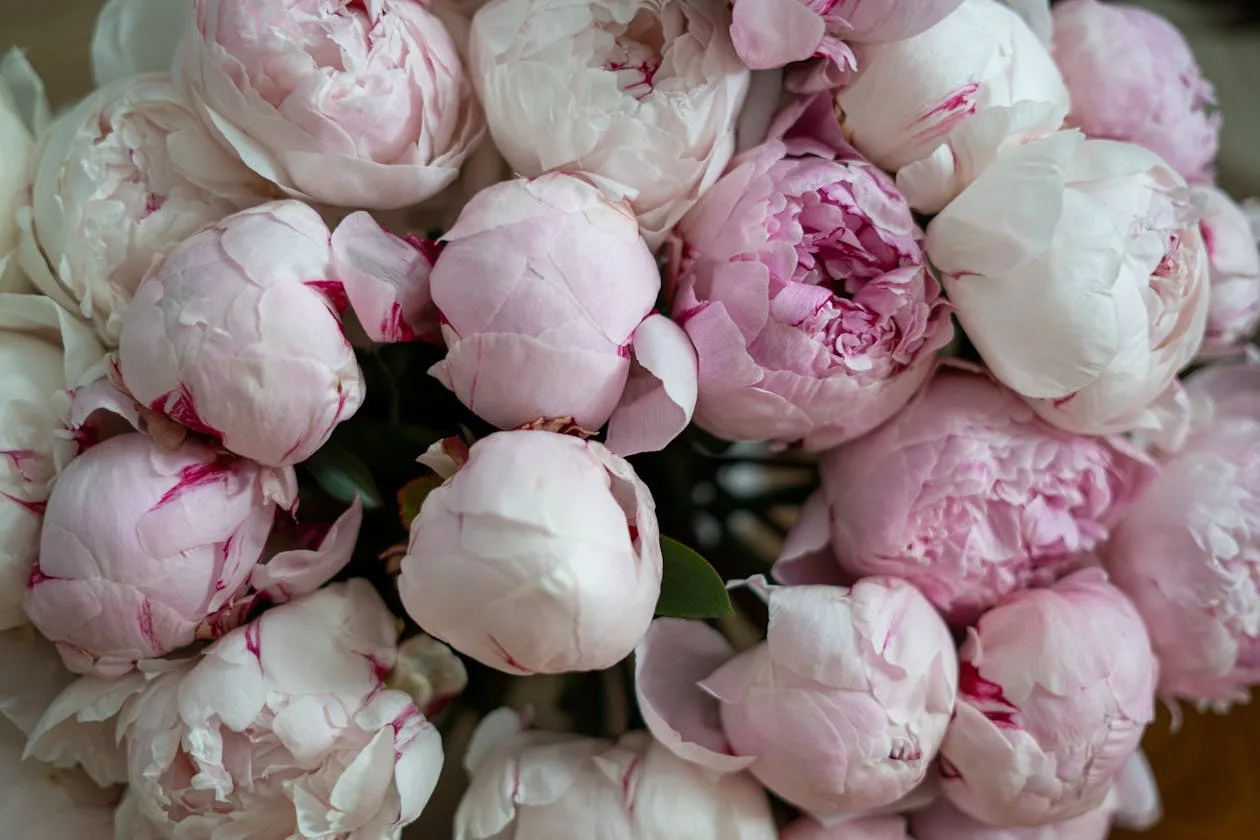
The Perfect Bouquet for Every Occasion
Birthday, anniversary, new baby, thank you, sympathy — each occasion has its own language. Here's how to send exactly the right flowers every time.
Read more →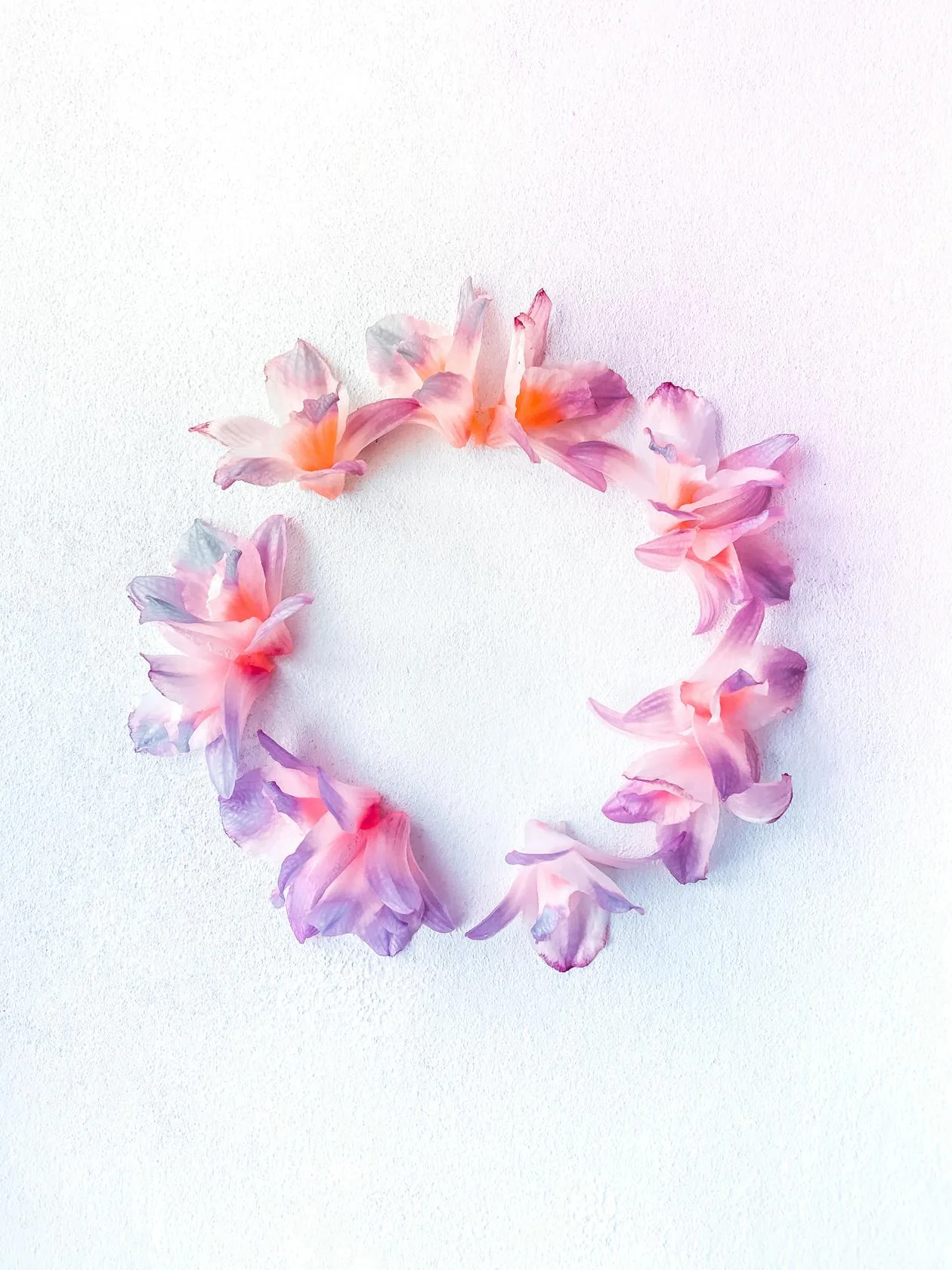
Using Flower Colour in Interior Design
Flowers are one of the most flexible and temporary ways to introduce colour into a room. Understanding colour theory makes it easier to choose flowers that complement or deliberately contrast with your interior.
Read more →