The Perfect Bouquet for Every Occasion
Birthday, anniversary, new baby, thank you, sympathy — each occasion has its own language. Here's how to send exactly the right flowers every time.
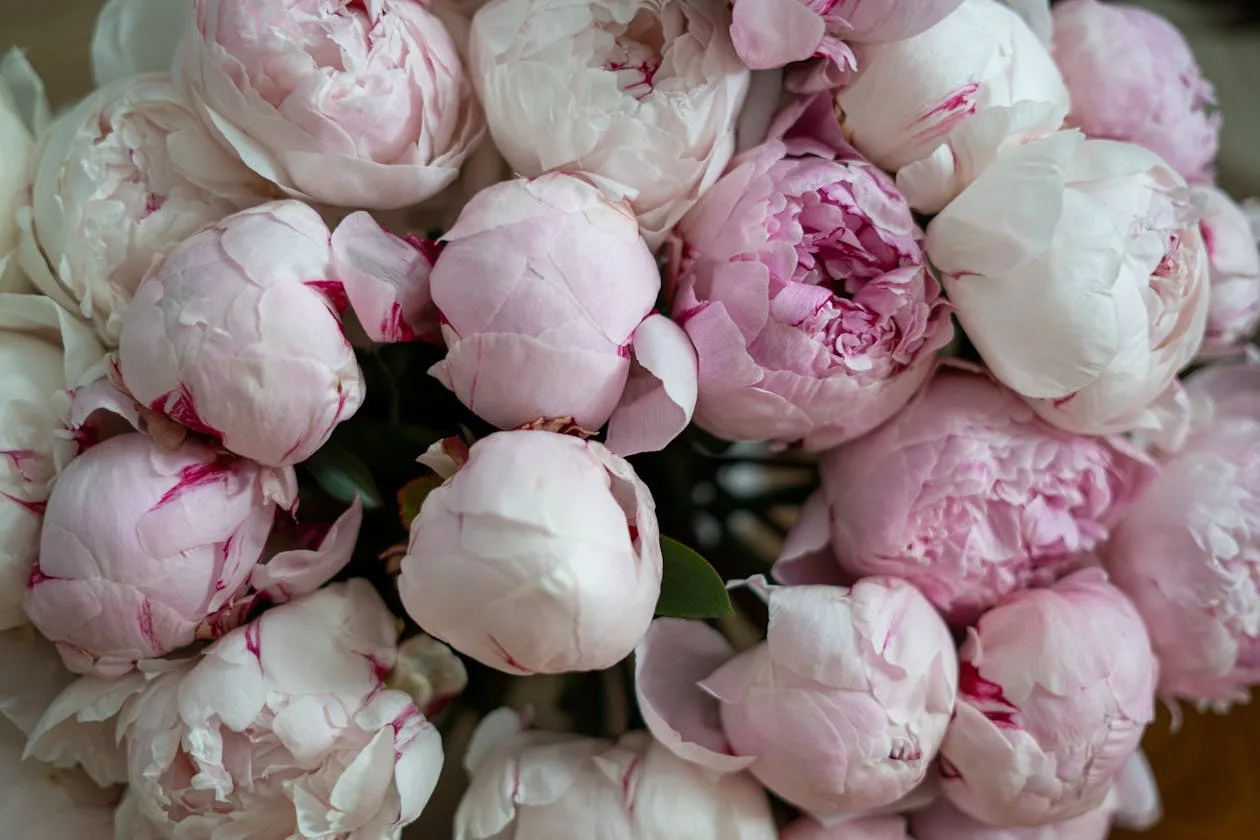
There is rarely a wrong time to send flowers. But there are certainly better and worse choices for each occasion. The flowers that feel perfect at a birthday party would feel out of place at a funeral. The arrangement you'd send to a new mother is different from the one you'd send to someone celebrating a promotion. Knowing the difference makes you a better gift-giver — and ensures your flowers say exactly what you mean.
Birthday
Birthdays call for joy and personality. This is the one occasion where you have maximum creative latitude — the only rule is to make it feel celebratory and personal. Bright mixed bouquets work well for people who love colour. Single-variety bunches in their favourite flower show genuine thought. For milestone birthdays (30, 40, 50), consider going bigger: a grand arrangement of garden roses or a generous peony display says something more significant than a standard bouquet.
Anniversary
Anniversaries have their own floral tradition. Red roses remain the gold standard for romantic anniversaries — there is still nothing more powerful for a significant milestone. But if you've been sending red roses for fifteen years and want to try something different, deep-coloured peonies or a lush garden rose arrangement in blush and cream offers a similarly romantic message with more visual sophistication.
New baby
New baby flowers should be soft, gentle, and practical. Avoid strongly scented varieties — new mothers and babies can be sensitive to fragrance. Avoid flowers with heavy pollen. The best choices: spray roses, lisianthus, freesias (lightly scented), or a mixed arrangement in soft pastels. A potted plant like a peace lily or small orchid lasts longer and requires less immediate attention from someone who is, understandably, quite busy.
Sympathy
Sympathy flowers should feel sincere, not performative. White is the traditional colour — it carries associations of reverence and purity — but soft pastels in lilac, blush, and cream are equally appropriate. White lilies are the most traditional choice. White roses say something quieter and more personal. Avoid bright colours, which can feel incongruous in a moment of grief. The arrangement matters less than the fact that you sent something at all.
Get well soon
Cheerful, bright, and easy to care for. Sunflowers are ideal — nothing is harder to feel gloomy around. Gerbera daisies in warm oranges and yellows work beautifully. Avoid lilies in hospital settings (pollen is problematic) and anything too fragrant. Consider long-lasting varieties: someone recovering from illness will appreciate flowers that stay beautiful while they're healing.
Thank you
A thank-you bouquet should feel warm and genuine without being overwhelming. Pink roses carry exactly the right message — gratitude, appreciation, warmth. A mixed garden bouquet in soft colours works beautifully. The gesture is the thing; don't overthink the specifics.
At a glance: occasion guide
- Birthday → Bright mixed bouquet or single-variety in their favourite colour
- Anniversary → Red or blush roses, deep peonies
- New baby → Soft pastels, low-scent, or a potted plant
- Sympathy → White or soft pastels — lilies, white roses
- Get well → Sunflowers, gerberas, cheerful and long-lasting
- Thank you → Pink roses, warm mixed bouquet
- Just because → Whatever made you think of them
“The best bouquet for any occasion is the one that arrives. Don't let the perfect be the enemy of the sent.”
Continue reading
How to Choose Flowers for Every Personality
The best bouquet isn't always the most beautiful one — it's the one that feels like it was chosen for that specific person. Here's how to get it right.
Read more →
The Secret Language of Flowers: Your Bouquet Decoder
Every flower has something to say. Before you send a bouquet, discover what each stem silently communicates — and how to compose a message in petals.
Read more →