The Complete Tulip Guide
From species tulips to dinner-plate parrot varieties, tulips are more varied and interesting than most people realise. Here is everything worth knowing.
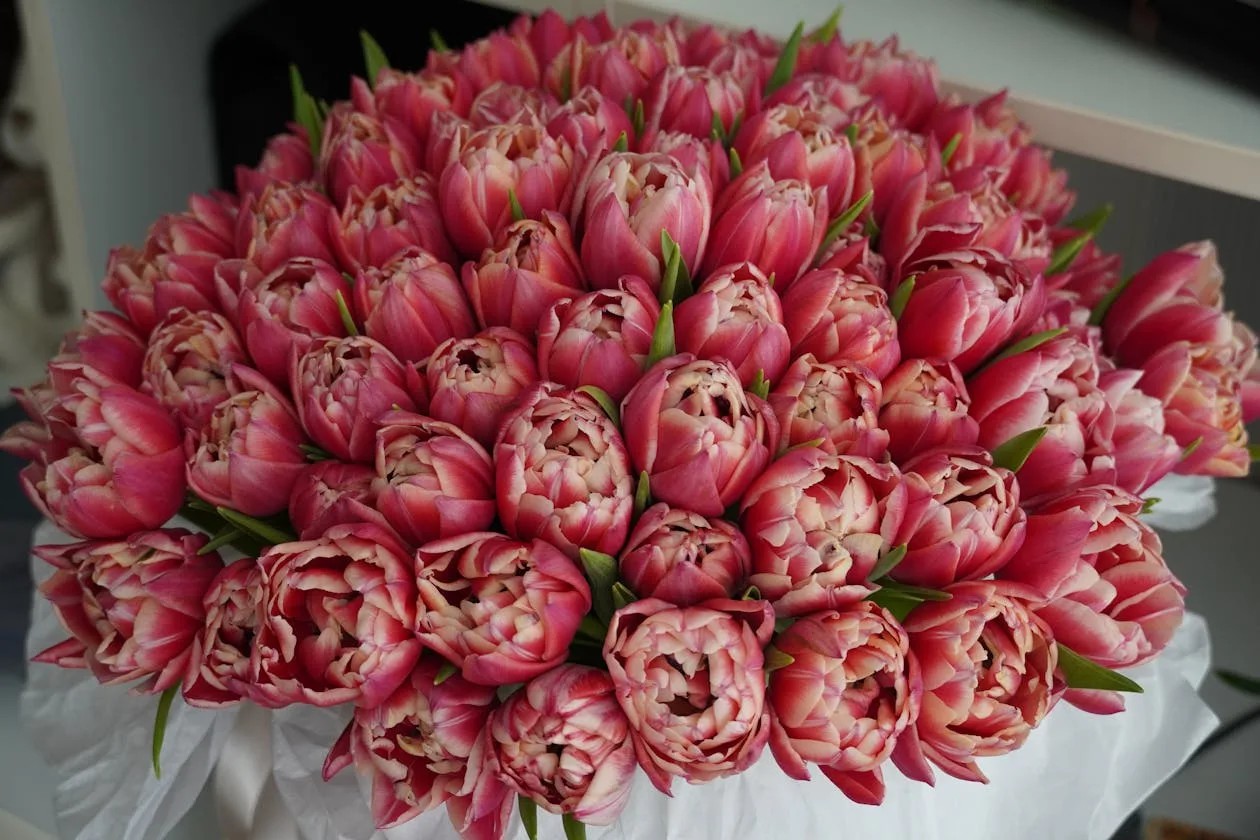
The tulip is the third most popular cut flower in the world, behind only roses and chrysanthemums. In Britain, it is arguably the definitive spring flower: reliably available from February, peaking in April and May, and capable of brightening even the greyest February morning in a way that few other flowers manage. Yet most people know only a fraction of what tulips can do.
The major tulip groups
Buying and conditioning tulips
Tulips are at their best when bought in tight bud, just showing colour. Avoid tulips that are already open: you will get less time to enjoy them. Once home, cut two centimetres from the stems at a 45-degree angle and place them in cool, deep water. Tulips are phototropic, meaning they bend toward light: rotate the vase every day for a more upright display.
Tulip care essentials
- Buy in tight bud for maximum vase life (7 to 10 days from bud)
- Tulips continue to grow after cutting: allow for this in your arrangement
- A penny in the vase water is an old folk remedy with some evidence behind it: copper inhibits bacterial growth
- Cool rooms extend vase life significantly: move tulips away from radiators
- Drooping tulips can often be revived: wrap tightly in newspaper and re-cut stems in fresh water
- British-grown tulips (available March to May) last noticeably longer than Dutch imports
Styling tulips at home
Tulips are most beautiful when arranged simply. A large bunch of a single variety in a clear glass vase lets the flowers speak for themselves. Mixing too many varieties dilutes the impact. If you want to mix colours, choose two at most: all-white with a splash of deep purple, or blush pink with soft yellow. Tulips also look exceptional in low bowls, where their stems can curl naturally and create organic, flowing arrangements.
“The tulip rewards simplicity. A large bunch of one variety, one colour, in clean water: this is all the arrangement it needs.”
British tulip season
The British tulip season runs roughly from March to early June, peaking in April. UK-grown tulips come primarily from Lincolnshire, where the flat fenland is ideal for bulb cultivation. British-grown tulips have a shorter journey from field to florist, which translates directly into longer vase life. If your florist carries British-grown tulips in April and May, always choose them over Dutch imports.
Continue reading
Spring Flowers: Britain's Most Beautiful Seasonal Blooms
From the first narcissi of February to the blowsy peonies of June, spring in Britain is a procession of extraordinary flowers. Here's what to look for — and when.
Read more →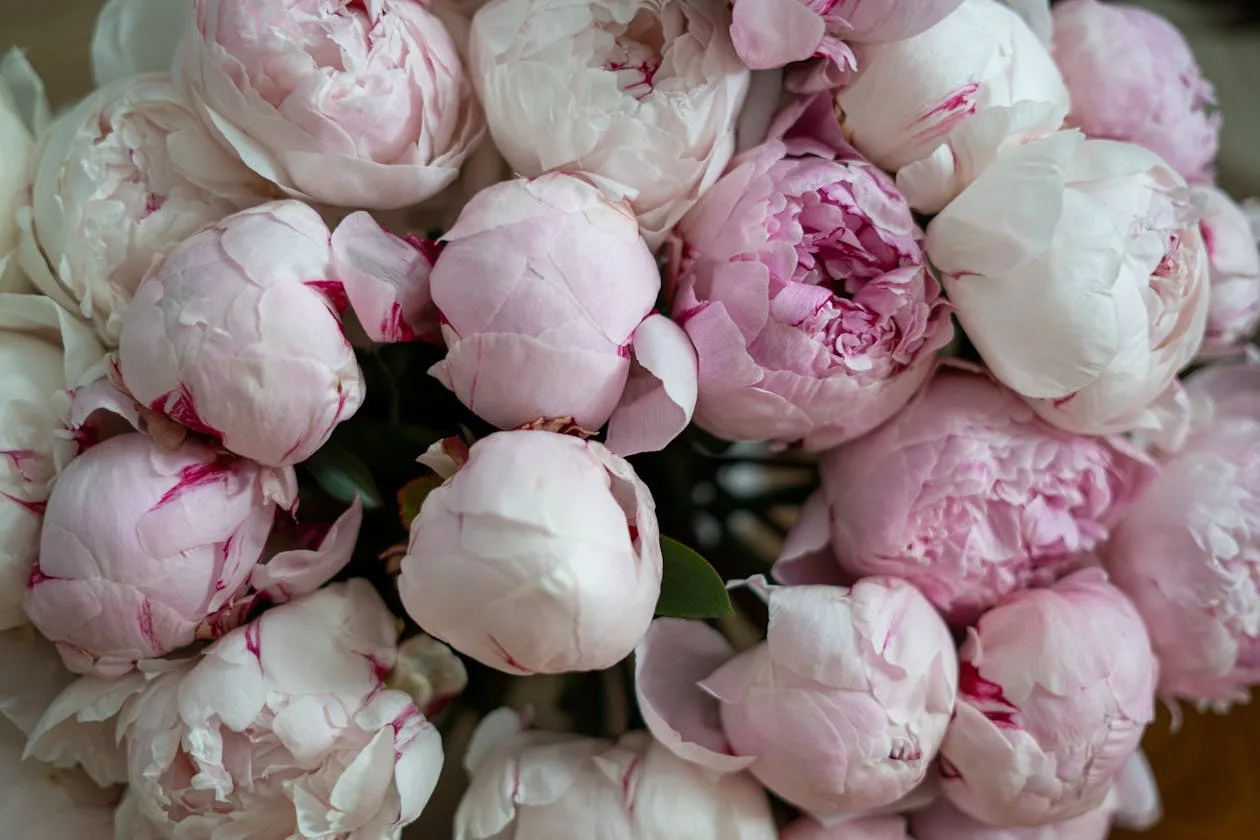
5 Ways to Style Flowers at Home
You don't need a florist's eye to display flowers beautifully. You need five simple principles — and the willingness to think beyond the traditional vase.
Read more →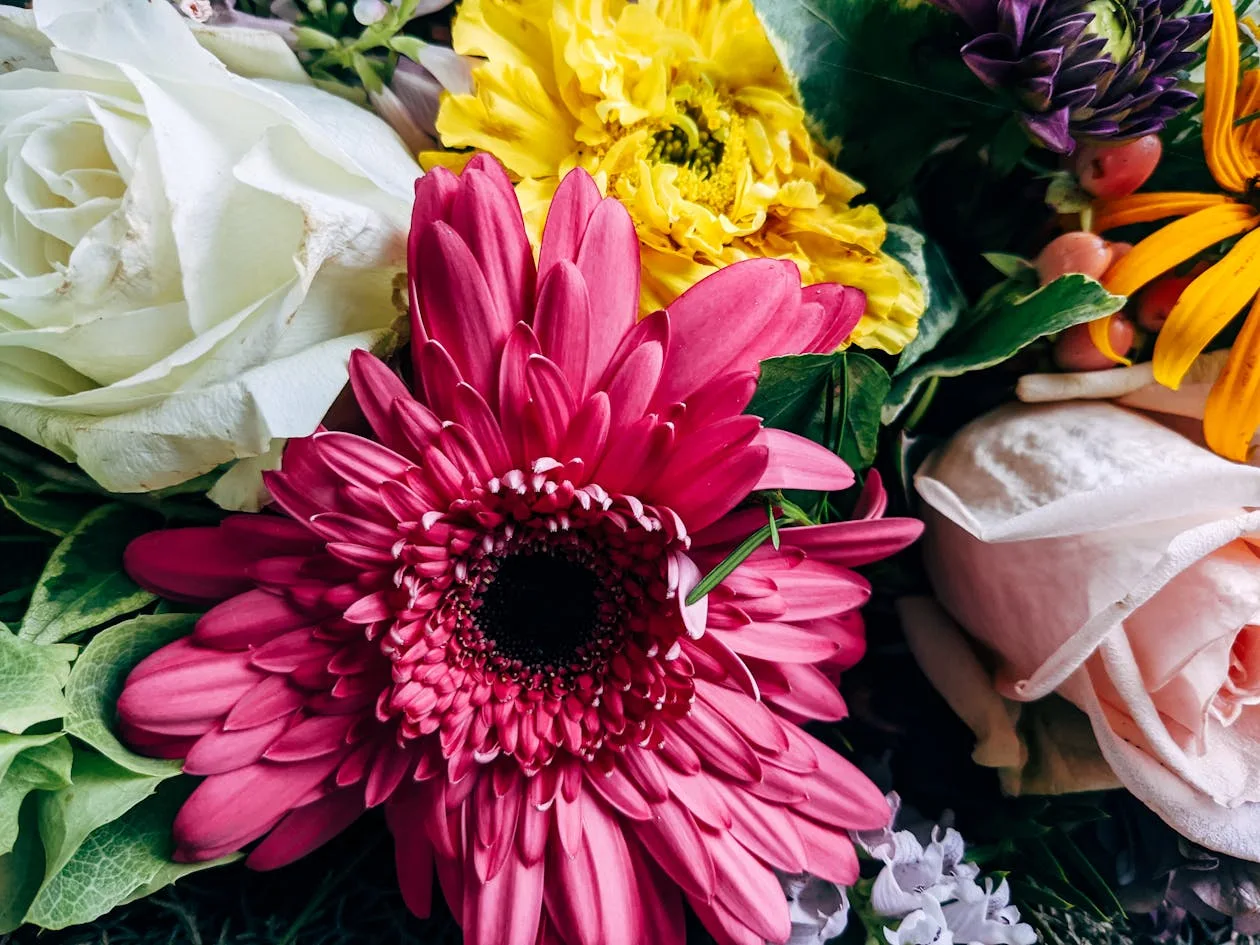
Sweet Peas: Britain's Most Fragrant Summer Flower
Sweet peas are the flower that most reliably produces a response of pure pleasure. Here is everything you need to know about growing, cutting, and enjoying them.
Read more →