How to Decorate With Seasonal Flowers All Year Round
A home that uses seasonal flowers rather than defaulting to year-round standbys looks more considered, costs less, and marks the passing of time in one of the most pleasurable ways possible.
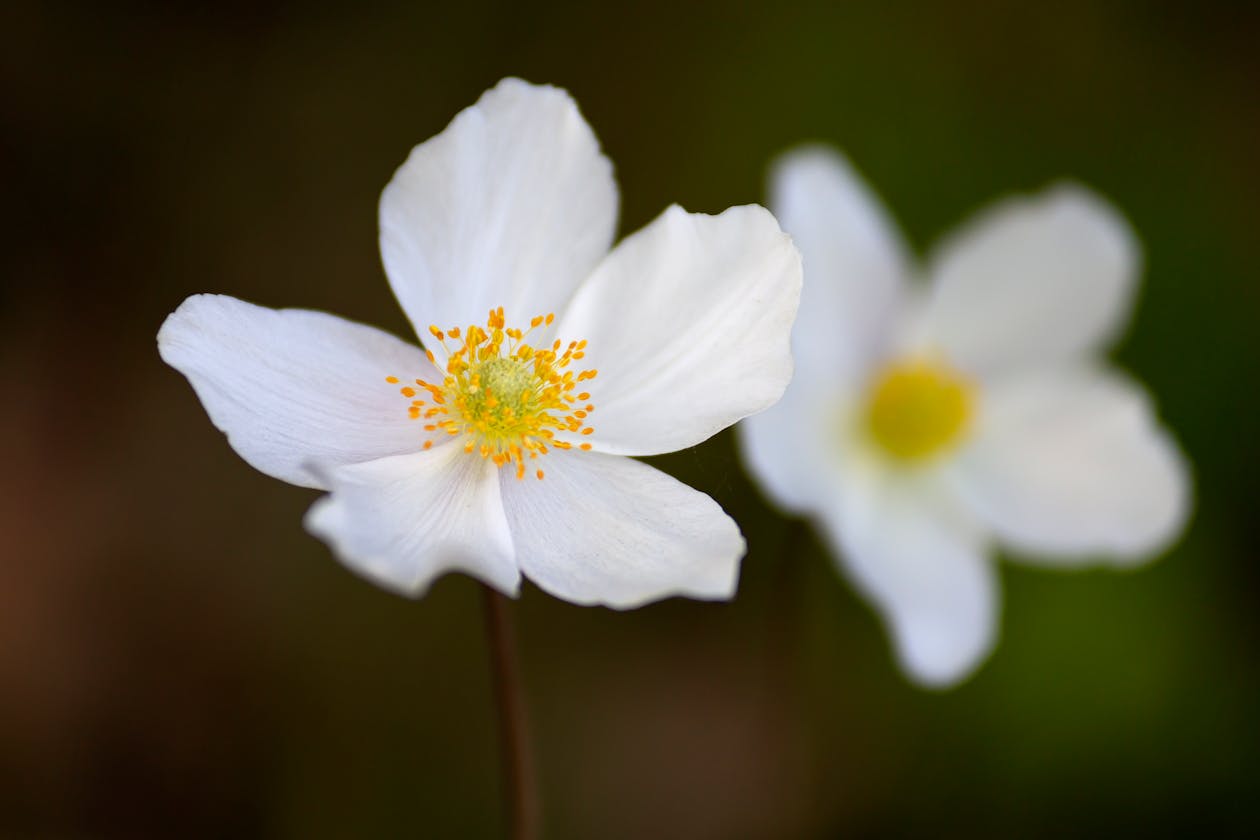
The home that rotates its flowers seasonally inhabits a different relationship with the year from the one that buys the same arrangement on repeat. Narcissi in March, sweet peas in July, dahlias in September, dried grasses in December: these choices are not just aesthetically better, though they usually are. They are also a way of living inside the season rather than outside it, of allowing the home to register the year's movement in a way that a year-round availability of roses and gerberas never permits. Seasonal decoration with flowers is, at its heart, a practice of attention.
Winter: January and February
Winter's domestic flower is the forced bulb. Hyacinths, narcissi, and amaryllis grown in pots or glass forcing jars provide fragrance, colour, and the particular pleasure of watching something grow in real time. Bought as bulbs in autumn and forced over the winter months, they are considerably more rewarding than cut flowers and last far longer. Dried hydrangeas and grasses from the autumn, kept in vases throughout the winter, provide texture without maintenance. Witch hazel branches, available from some florists from January, are extraordinary: bare stems covered in tiny spidery yellow flowers that smell of soap and winter.
Spring: March through May
Spring is the most rewarding season for domestic flowers. Narcissi and tulips are available from British growers, which means they are fresher, more sustainable, and more competitively priced than at any other point in the year. A succession of spring flowers, each replacing the last as the season progresses, is one of the more pleasurable domestic routines available. Narcissi give way to tulips, which give way to ranunculus, which give way to the first sweet peas and peonies of late May and June.
Making seasonal decoration practical
The easiest way to build a seasonal flower practice is to visit a market or florist once a week and buy what looks best rather than what you had in mind. The best seasonal flowers are the ones that look freshest and most abundant, which at a good market or florist means the ones that are genuinely in season. Over time this builds a knowledge of the calendar that becomes intuitive: the moment in late May when you find yourself reaching for ranunculus is the moment you have internalised the season.
“A home that uses seasonal flowers does not just look different at different times of year. It feels like it belongs to the year it is living in.”
Building a seasonal flower practice
- Buy at a market or florist once a week rather than planning in advance
- Let the availability guide the choice: what looks best is what is seasonal
- Keep a small stock of dried or preserved stems for weeks when you do not buy fresh
- Learn to preserve summer flowers, particularly hydrangeas, by hanging them upside down in autumn
- Invest in a few good vases in different sizes: having the right vessel for the seasonal flower makes each arrangement easier
- Note what you loved each year: a seasonal flower journal, however informal, builds taste rapidly
Continue reading
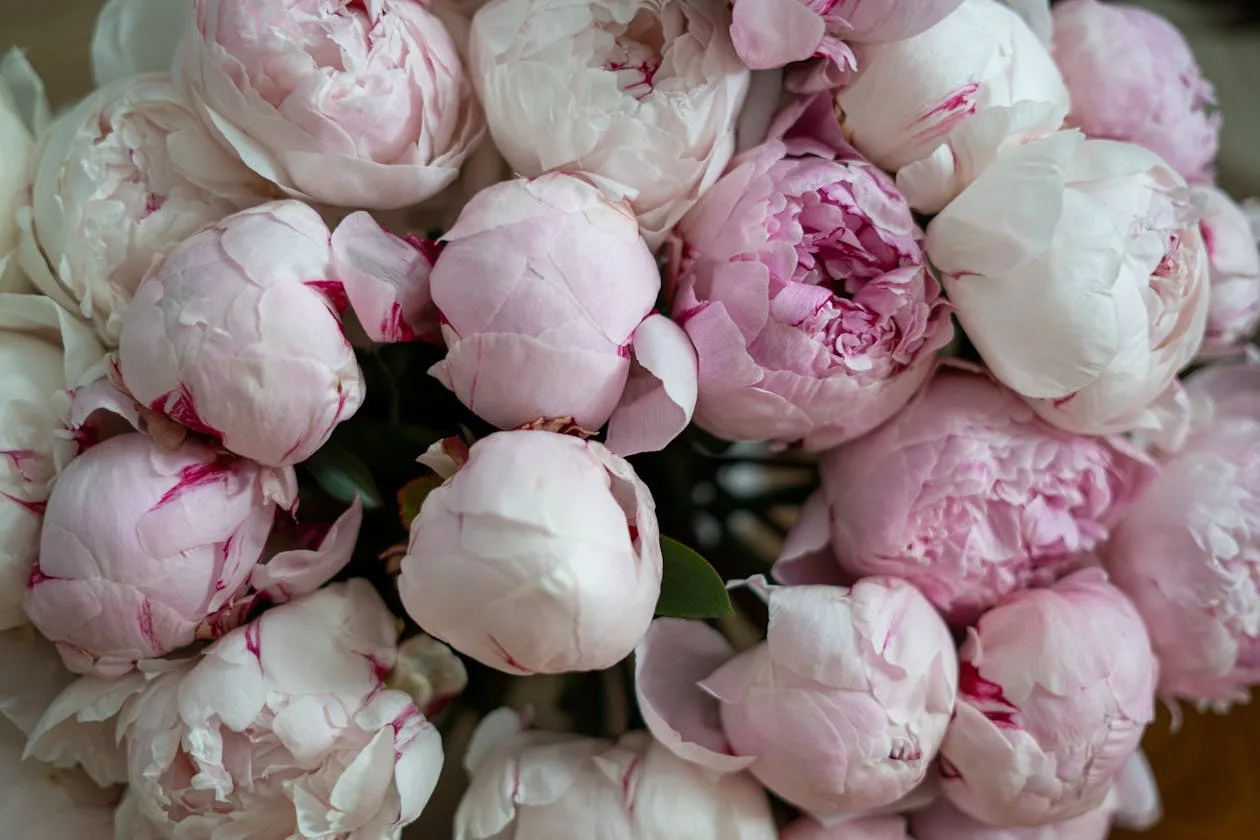
Flowers and Interior Design
The right flowers in the right space do something that furniture and lighting cannot. Here is how interior designers think about flowers, and how to apply it at home.
Read more →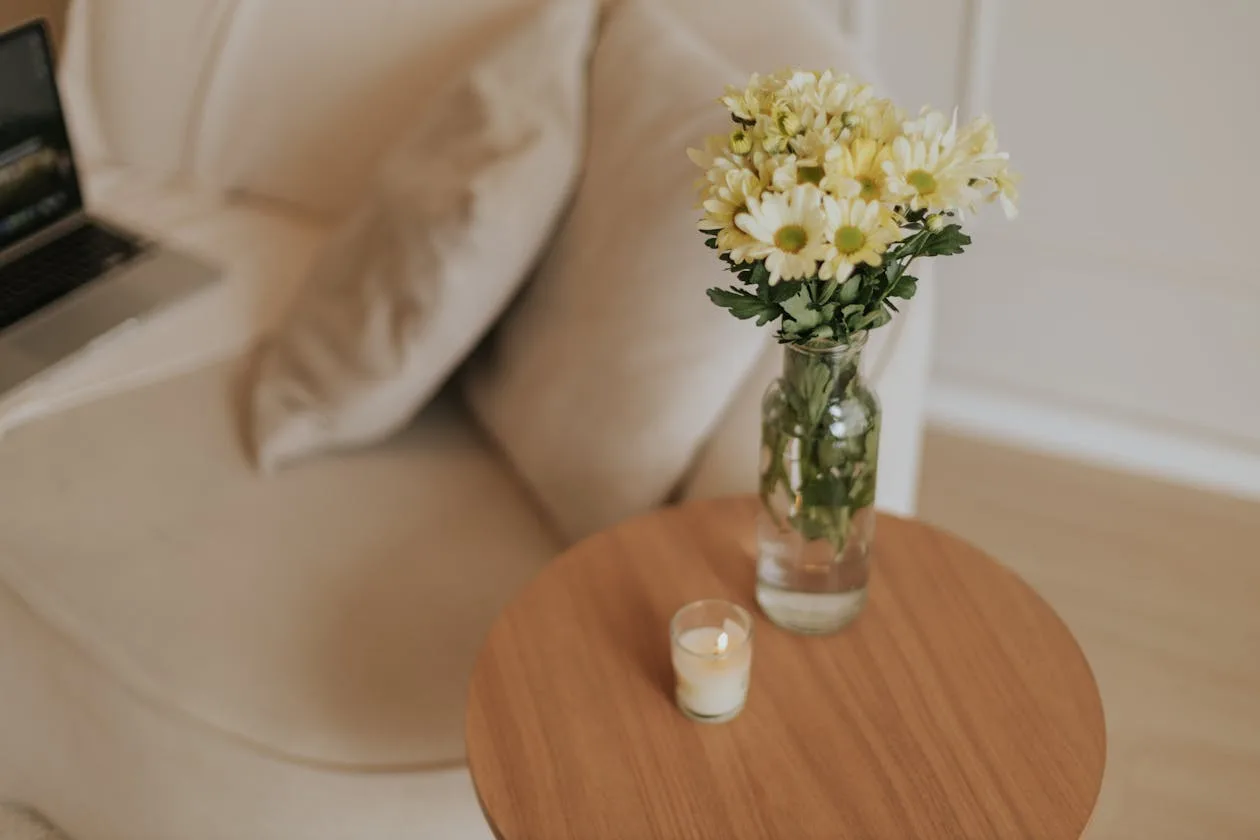
Should You Keep Flowers in the Bedroom?
The idea that plants and flowers should not be kept in bedrooms is persistent and almost entirely unfounded. Here is the actual evidence, and what it means for your choices.
Read more →
Spring Flowers for the Table: Simple Arrangements That Work
A table arrangement in early spring does not need to be complicated. It needs seasonal flowers, the right vessel, and the confidence to resist over-engineering.
Read more →