Everything You Need to Know About Hydrangeas
Hydrangeas are the statement flower of the British summer garden, yet they are also supremely versatile as cut flowers. This is your complete guide to growing, arranging, and understanding them.
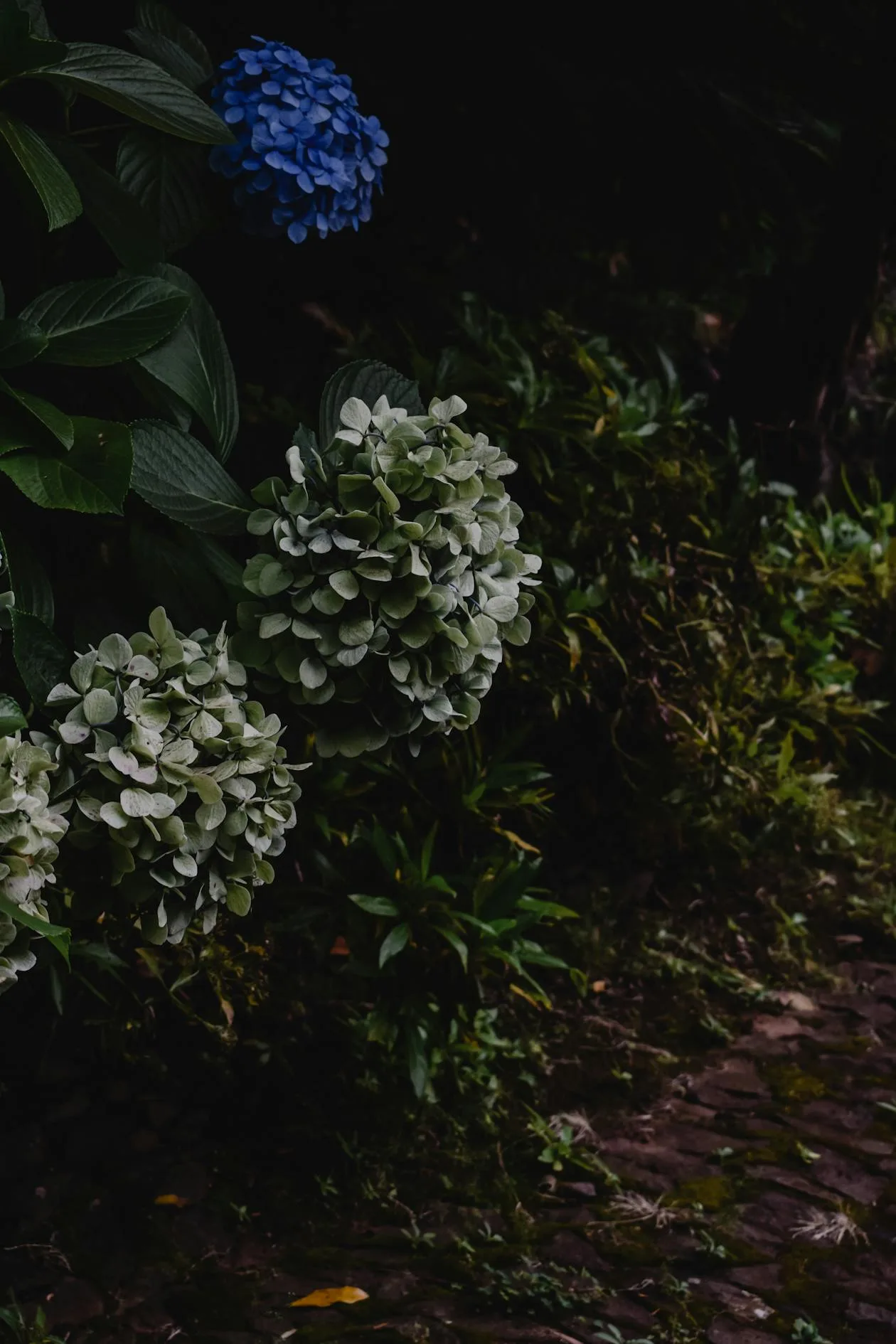
Hydrangeas occupy a peculiar place in British gardening: they are simultaneously one of the most planted shrubs in the country and one of the most misunderstood. People plant them for their spectacular summer display and then watch in confusion as they wilt indoors within an hour of being cut. Others are baffled by the colour change — blue in one garden, pink in another — and frustrated when a pink hydrangea stubbornly stays pink despite their best attempts to coax it to blue. The answers to both mysteries lie in understanding how this extraordinary plant actually works.
The colour mystery explained
The colour of a hydrangea bloom is not fixed at birth. In Hydrangea macrophylla — the classic mophead and lacecap varieties — the colour is determined by the acidity of the soil and the availability of aluminium ions. In acidic soils (pH below 6), the plant can absorb aluminium, which causes the anthocyanin pigments in the petals to turn blue. In alkaline soils (pH above 7), aluminium is unavailable and the blooms turn pink. Neutral soil produces intermediate, often mauve or lilac tones. To shift a pink hydrangea towards blue, lower the soil pH with sulphur or use a proprietary hydrangea colourant. To keep a blue one blue, ensure the soil remains genuinely acidic.
“A hydrangea's colour is a portrait of its soil. Plant the same variety in two different gardens and you may get two entirely different flowers.”
The best species for cut flowers
Hydrangea macrophylla provides the familiar large mopheads beloved in summer bouquets. Hydrangea paniculata, with its conical flower heads, is arguably the superior cut flower: it dries on the stem more reliably, holds its shape for weeks, and becomes even more beautiful as it ages to antique shades of cream and blush. 'Limelight' is a paniculata variety that florists prize for its chartreuse tones. Hydrangea arborescens 'Annabelle', with its enormous white ball-shaped heads, is one of the most photographed flowers in British gardens and a magnificent cut flower.
Why hydrangeas wilt and how to stop it
Hydrangeas wilt so readily because they absorb much of their water through their petals rather than solely through their stems. When you cut them without immediately submerging them in water, or place them in a warm room with insufficient hydration, the blooms collapse within an hour. The fix: cut in the early morning when stems are most turgid, recut underwater if possible, and immediately place in deep, cold water for at least two hours before arranging. If a hydrangea has already wilted, try submerging the entire bloom in cold water for 20 to 30 minutes.
Cutting and conditioning hydrangeas
- Cut early in the morning, ideally when the plant is still dewy
- Use sharp scissors or secateurs and cut at an angle
- Score or split the bottom 2cm of the stem to increase water uptake
- Submerge in deep, cold water for at least two hours before arranging
- Keep in the coolest room of the house — they deteriorate quickly in heat
- Mist the blooms lightly with water once arranged
- For drying: leave on the stem until late summer when the texture firms up, then hang upside down in a dark, dry space
When and how to prune
Pruning hydrangeas at the wrong time is the single most common reason they fail to flower. Hydrangea macrophylla and lacecap varieties bloom on old wood — stems that grew the previous season. If you prune these in autumn or early spring, you remove the flower buds for the coming year. The right approach is to deadhead spent flowers after blooming without cutting back into old wood, then carry out any significant pruning only in mid-summer, immediately after flowering. Hydrangea paniculata and arborescens bloom on new wood and can be pruned hard in late winter without penalty.
“The hydrangea rewards patience and patience alone. Rush it with secateurs and it will answer you with silence.”
Continue reading
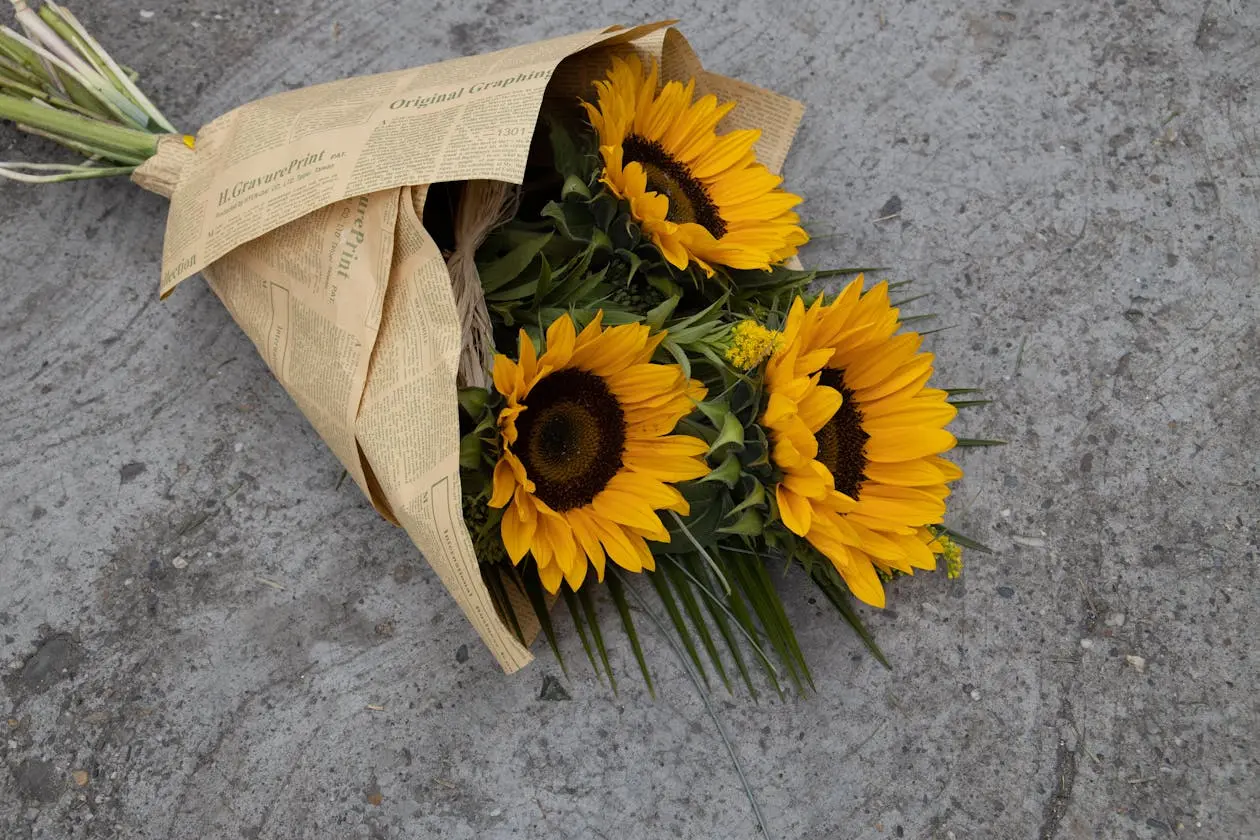
Summer Flowers: Britain's Garden at Full Bloom
British summer produces a flower display that rivals anywhere in the world. Here is what is available, when, and how to make the most of it.
Read more →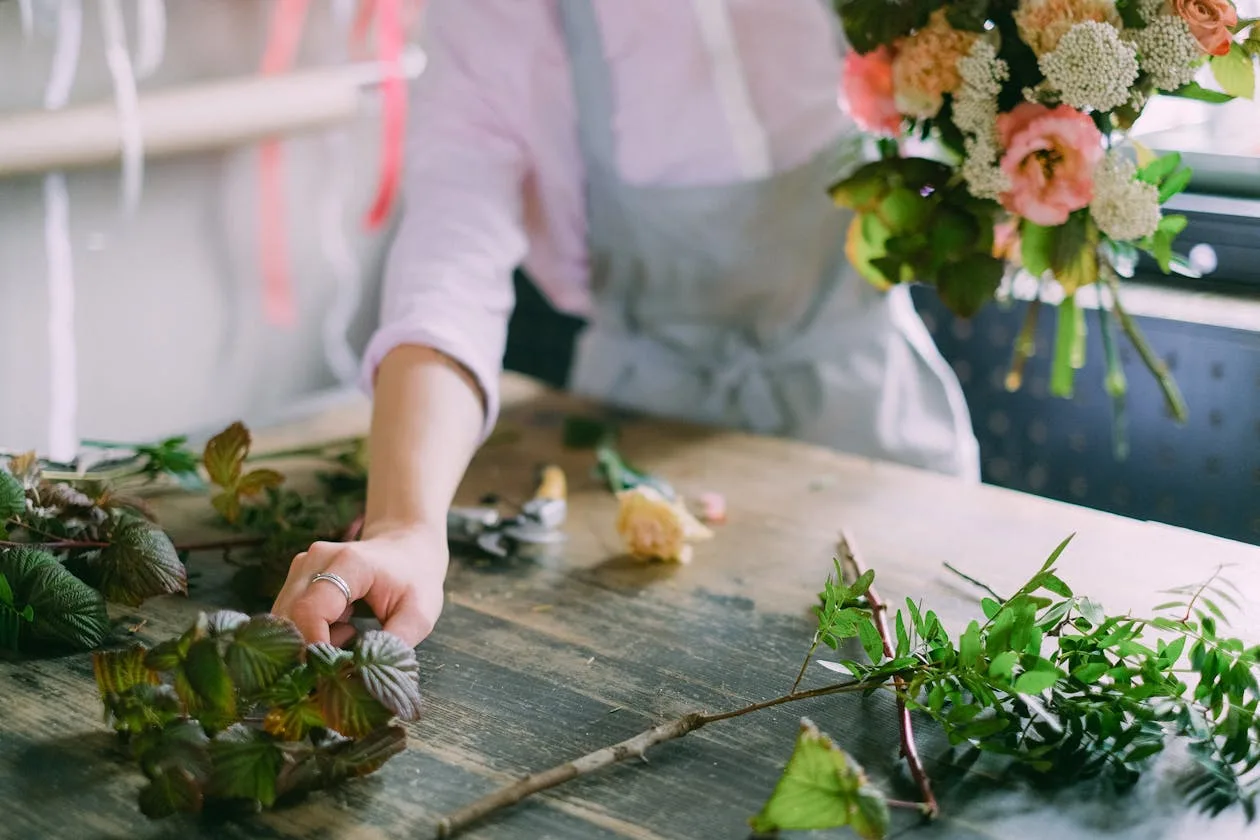
How to Arrange Flowers Like a Florist
Professional flower arranging looks effortless because the principles behind it are simple. Learn the same techniques florists use and your arrangements will immediately improve.
Read more →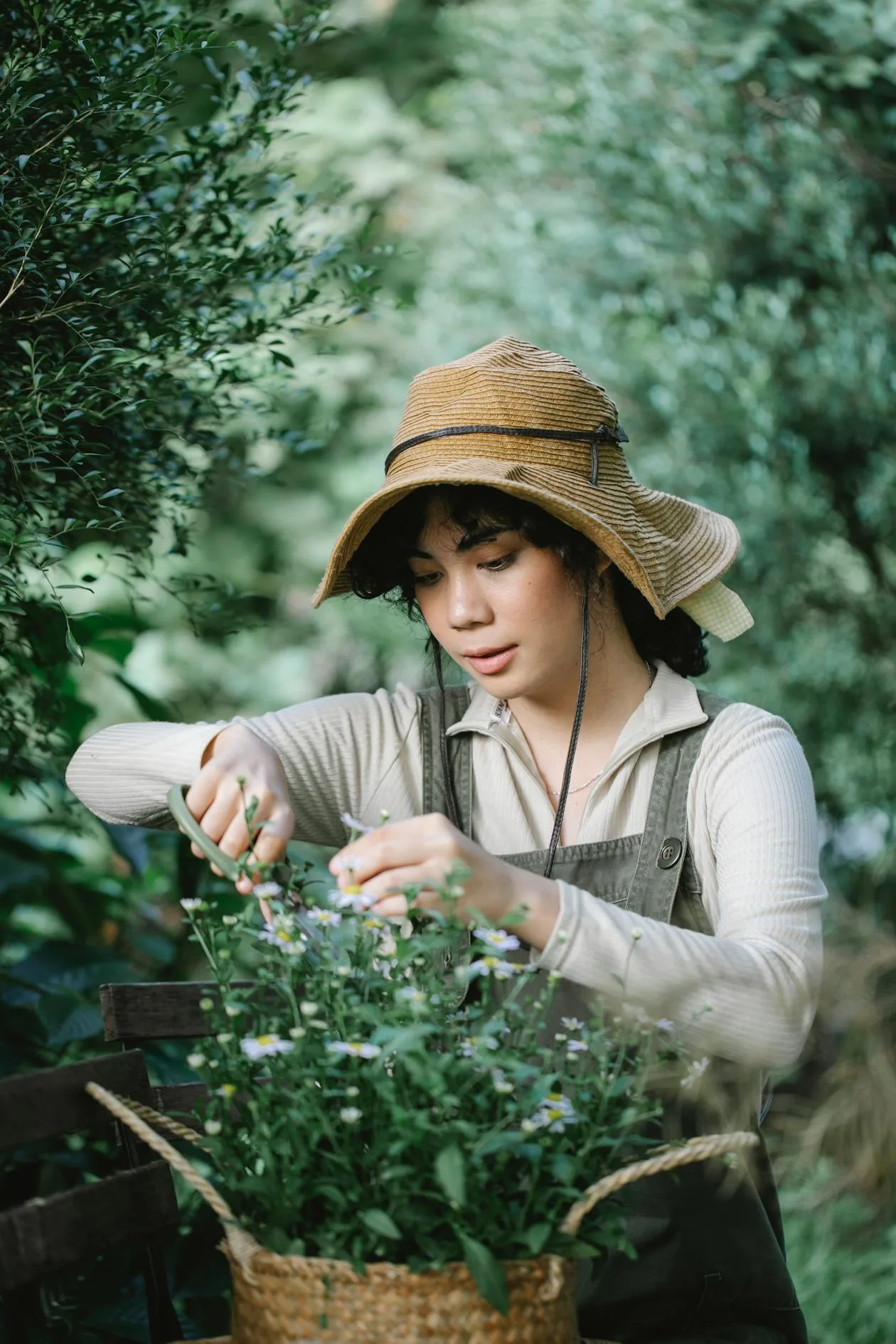
Growing Your Own Cut Flowers in the UK
Growing your own cut flowers is one of the most rewarding gardening endeavours available to British gardeners. Even a small patch can yield armfuls of blooms from June through October.
Read more →