Growing Your Own Cut Flowers in the UK
Growing your own cut flowers is one of the most rewarding gardening endeavours available to British gardeners. Even a small patch can yield armfuls of blooms from June through October.
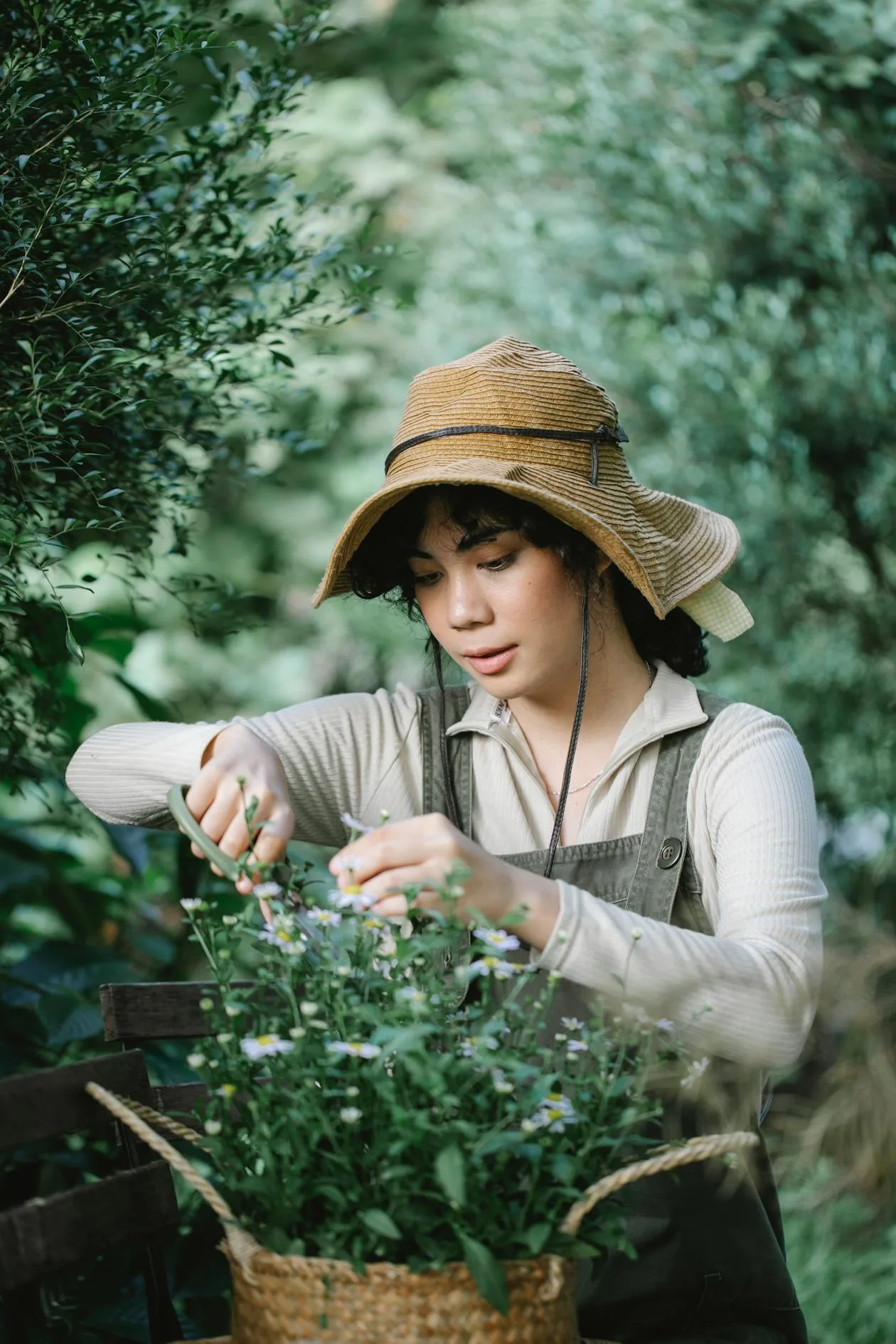
A cutting garden does not need to be large to be productive. A patch four metres by two metres, devoted to the right varieties and managed correctly, will yield more cut flowers from June through October than most households can use: armfuls of sweet peas, dahlias, zinnias, snapdragons, and cosmos that cost a fraction of their florist equivalent and arrive with an intimacy no bought flower can match. The cut flower garden is one of the most rewarding investments a British gardener can make.
The essential cutting garden plants
Sweet peas are the essential British cutting garden plant: fragrant, prolific, and available in dozens of beautiful colours, they require only a support structure, regular picking, and a little water to produce armfuls of blooms throughout summer. Dahlias offer the most dramatic return per tuber, producing large, spectacular blooms from July until the first frost. Cosmos is the easiest annual for a beginner: direct-sown, fast-growing, and producing delicate, airy blooms from July through October. Zinnias add vivid colour and last brilliantly in the vase. Snapdragons provide the vertical element that every arrangement needs.
Planning for succession
The key to a productive cutting garden is planning for succession: ensuring that something is coming into flower as something else finishes. The British cutting garden season runs roughly from May through October, and with careful planning it can yield fresh material every week. Start in spring with tulips and alliums from bulbs planted the previous autumn. Move into early summer with sweet peas and cornflowers. Peak summer brings zinnias, cosmos, dahlias, and snapdragons. Late summer and autumn is dahlia season at its finest, joined by chrysanthemums and late cosmos.
“The best thing about growing your own cut flowers is not the cost saving. It is carrying an armful of sweet peas from the garden to the kitchen table and knowing exactly where they have come from.”
Starting a cutting garden
- Begin with the easiest plants: sweet peas, cosmos, zinnias, snapdragons
- Plant dahlia tubers in May; they will flower from July until the first frost
- Plant sweet pea seeds in October for the strongest plants; alternatively in February under glass
- Cut flowers regularly: the more you cut, the more most plants produce
- Harvest in the morning when stems are most turgid, not in the heat of the day
- Start with a small, dedicated patch rather than trying to integrate cutting flowers into a border
- A single dahlia variety planted generously will transform your summer cutting
The economics of growing your own
A packet of zinnia seeds costing two to three pounds will, if germinated correctly, produce forty to sixty plants, each yielding dozens of stems throughout summer. A single dahlia tuber costing three to five pounds will produce hundreds of blooms over the season. The economics of growing your own cut flowers are genuinely compelling: the initial investment in seeds and tubers typically pays for itself within the first month of flowering, and the quality of home-grown flowers, cut at exactly the right moment and never spending time in transit, is simply unavailable for purchase.
Continue reading

The British Dahlia Guide
Dahlias are Britain's autumn obsession, and deservedly so. Here is the complete guide to the major types, the best varieties for cutting, and how to grow and care for them.
Read more →Sweet Peas: Britain's Most Fragrant Summer Flower
Sweet peas are the flower that most reliably produces a response of pure pleasure. Here is everything you need to know about growing, cutting, and enjoying them.
Read more →
Building a Cutting Garden
A cutting garden is one of the most rewarding things you can grow. Here is how to design, plant, and maintain a patch that produces beautiful flowers from spring to autumn.
Read more →