Gerberas: Bold, Cheerful, and Chronically Underrated
The gerbera daisy is one of the world's most popular cut flowers, yet it rarely receives the editorial attention it deserves. This is the guide it has been waiting for.
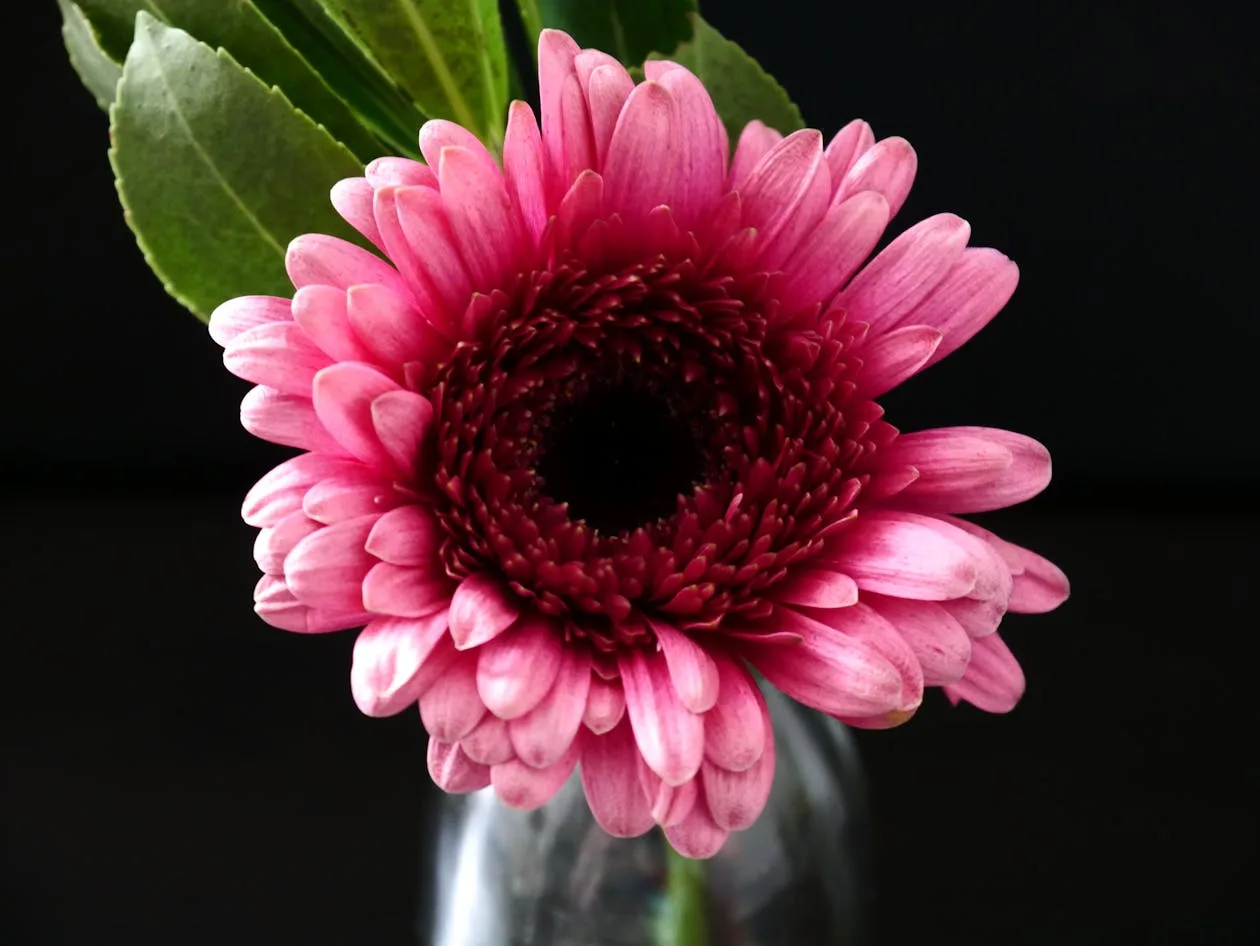
The gerbera daisy is the fifth most popular cut flower in the world, according to trade figures — behind only the rose, chrysanthemum, carnation, and tulip. Yet in editorial floristry circles it is largely ignored, its boldness read as cheerfulness and its cheerfulness read as unsophisticated. This is a mistake. The gerbera is a precision-engineered bloom of considerable complexity, and used well, it creates arrangements of genuine visual impact.
The anatomy of a gerbera
What appears to be a single gerbera flower is actually a composite of hundreds of individual florets. The outer ray florets form the petals we see; the inner disc florets at the centre form the classic darker circle. Both types are reproductive structures, and the gerbera's circular perfection is the result of precise geometric patterning known as a Fibonacci spiral — the same mathematical pattern found in sunflowers and pine cones. Mini gerberas, roughly half the size of standard types, have grown significantly in popularity for their versatility in mixed arrangements.
“Every gerbera flower is built on a Fibonacci spiral — the same mathematics that organises galaxies and nautilus shells. Cheerful, but not simple.”
The extraordinary colour range
Gerberas are available in virtually every colour except true blue, with a range that spans from near-white cream through the sunniest yellows, all shades of orange and red, every degree of pink from blush to magenta, and deep burgundy. Two-tone varieties with contrasting central rings are increasingly popular. This colour range makes gerberas particularly useful for themed events and occasions where a specific palette is required.
Keeping gerberas upright and fresh
- Gerberas are prone to bent-neck syndrome: ensure the water level is not too high — 3-4cm of water is enough
- The hollow stems can trap air: cut under water or blow gently through the base of the stem before placing in water
- Support stems in a narrow-necked vase or use a grid of tape across a wider vase
- Change water daily: gerberas are highly susceptible to bacterial build-up
- Keep away from fruit — ethylene sensitivity is particularly high in gerberas
- Avoid misting the central disc, which can develop mould if kept wet
When to use gerberas
Gerberas are at their best in bold, graphic arrangements where their strong shape can be appreciated. A bunch of single-coloured gerberas, all facing the same direction in a cylindrical vase, is an exercise in satisfying visual clarity. They work well for children's events, cheerful get-well-soon arrangements, and any occasion requiring bright, sustained colour. Mini gerberas integrate more easily into mixed bouquets and have a lightness that standard gerberas lack.
Continue reading
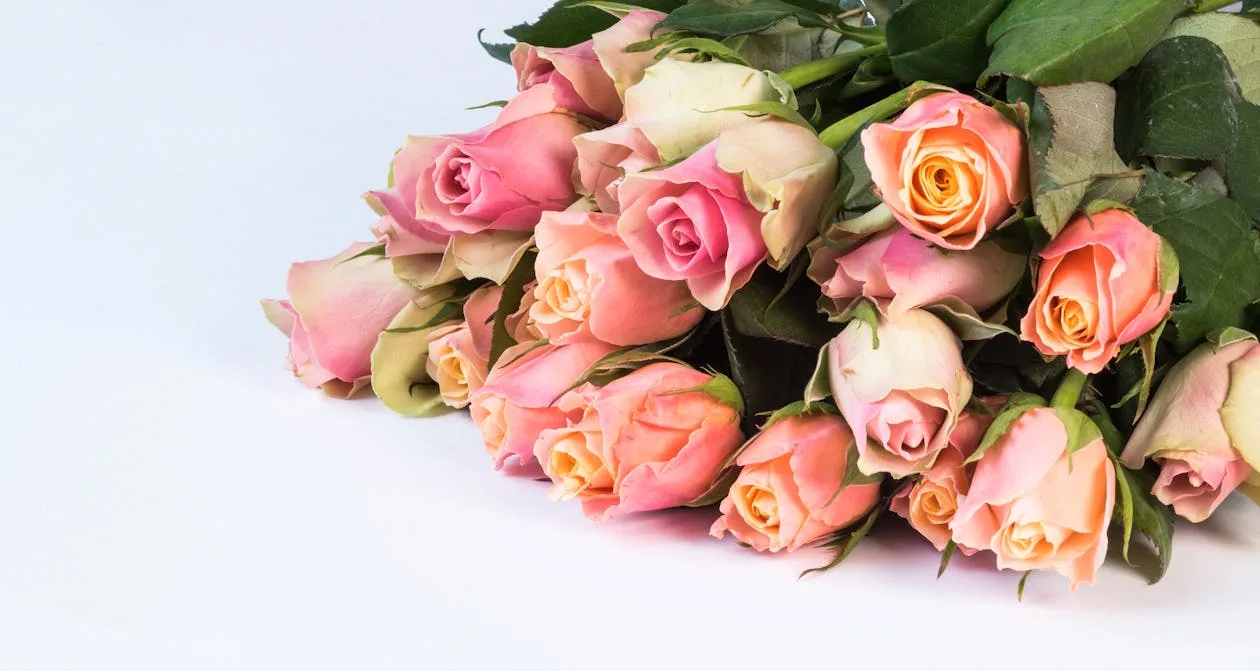
Gypsophila, Eucalyptus, and the Fillers That Make a Bouquet
Filler flowers and foliage are the unsung heroes of any great arrangement. Here is what the best ones do, and how to use them with confidence.
Read more →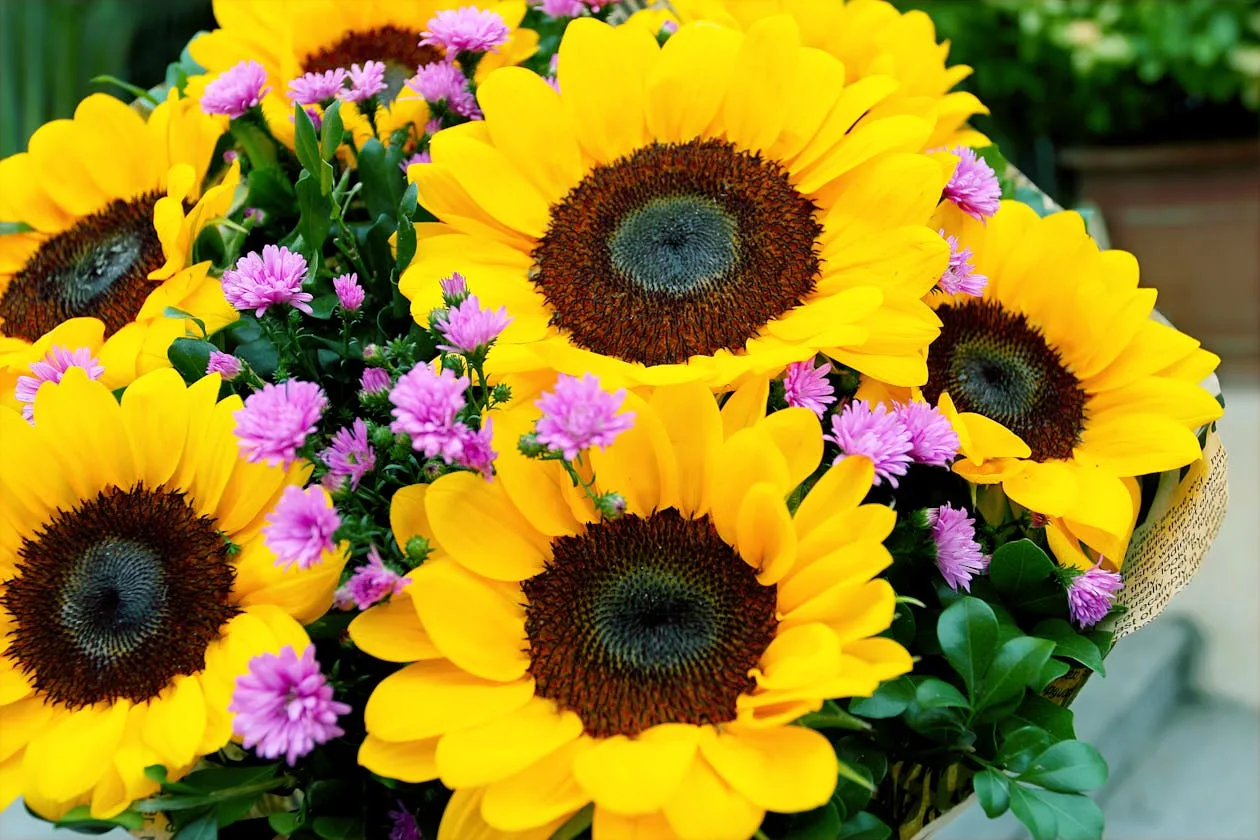
The Complete Sunflower Guide
Sunflowers are the most reliably joyful flower in existence. Here is everything worth knowing about varieties, care, and how to use them beyond the obvious.
Read more →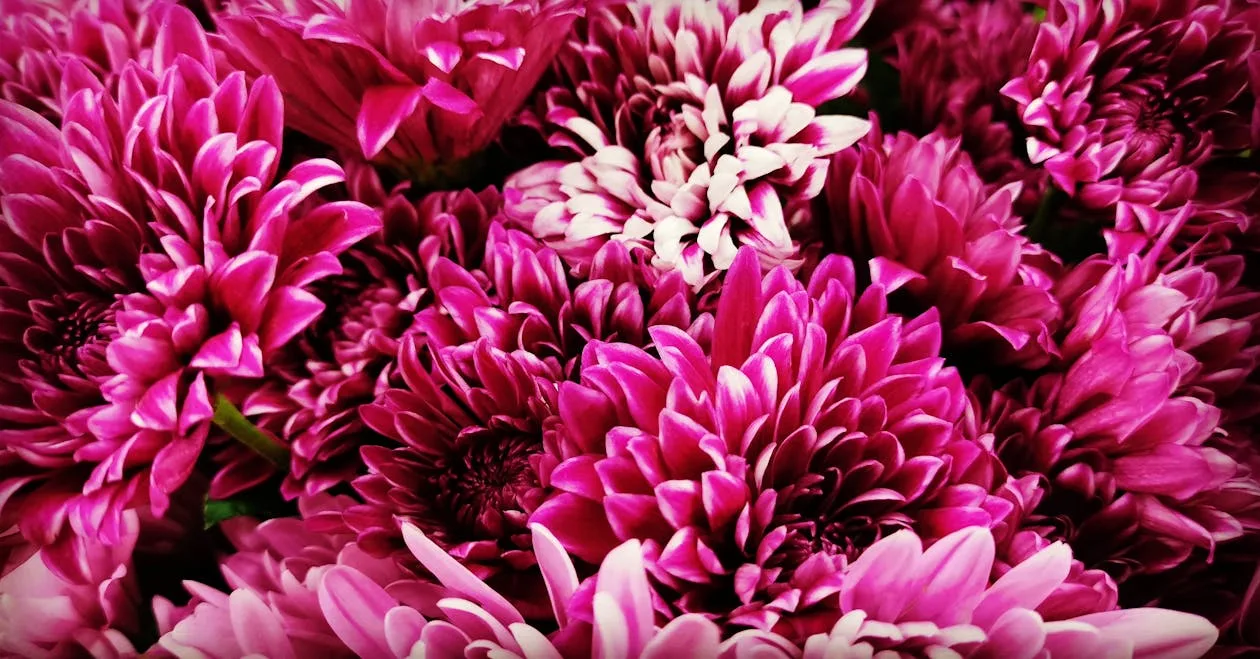
Why Chrysanthemums Deserve Far More Respect
Long dismissed as a supermarket standby, the chrysanthemum is in fact one of the most sophisticated and long-lived flowers available to British buyers. It is time to reconsider.
Read more →