Why Chrysanthemums Deserve Far More Respect
Long dismissed as a supermarket standby, the chrysanthemum is in fact one of the most sophisticated and long-lived flowers available to British buyers. It is time to reconsider.
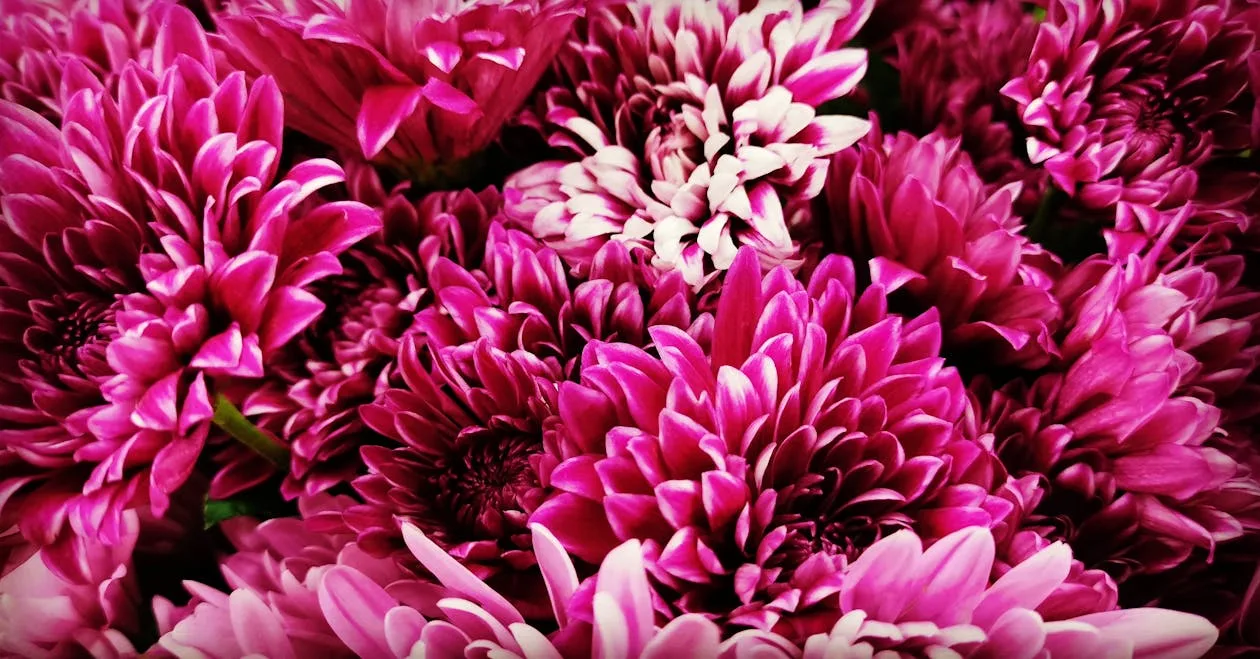
Ask most people what they think of chrysanthemums and you will likely hear something lukewarm. They are the flower of petrol station forecourts, of dutiful hospital visits, of arrangements that look more practical than beautiful. This reputation is both understandable and profoundly unfair. The chrysanthemum — or 'mum', as it is universally abbreviated — is one of the oldest cultivated flowers in existence, prized for centuries in East Asia long before it reached European shores.
A flower with a 3,000-year history
The chrysanthemum has been cultivated in China since at least 1500 BCE, where it was used medicinally, drunk as a tea, and regarded as one of the 'Four Gentlemen' of Chinese art alongside the plum blossom, orchid, and bamboo. In Japan, it became the symbol of the imperial family and gave its name to the Chrysanthemum Throne — the oldest continuous monarchy in the world. It arrived in Britain in the eighteenth century and quickly found favour for its extraordinary range of forms and its willingness to bloom in autumn when most other flowers have finished.
“In Japan, a single chrysanthemum blossom can contain more than a thousand individual petals — each one a statement of perfection.”
The remarkable range of chrysanthemum forms
There are more than 20 distinct flower forms within the chrysanthemum family, and understanding them transforms how you see the genus. Spray chrysanthemums produce multiple small blooms on branching stems — the most widely sold type in UK supermarkets and florists, valued for their volume and longevity. Single chrysanthemums have a central disc surrounded by a single row of petals, resembling a large daisy. Pompon varieties are dense, ball-shaped blooms the size of a marble. And then there are the exhibition types: spider chrysanthemums with long, trailing quill-like petals, and spoon varieties whose petals expand into tiny spoon shapes at the tip.
Vase life that outlasts almost everything
If longevity is your priority, chrysanthemums are almost unbeatable. A well-conditioned spray chrysanthemum in clean water will routinely last three to four weeks — sometimes more. This extraordinary vase life makes them an exceptional choice for those who travel frequently, live alone, or simply want flowers that do not need replacing every few days. They are also exceptionally reliable in floral arrangements, holding their shape and colour long after softer flowers have wilted.
Maximising chrysanthemum vase life
- Strip all leaves below the waterline — they rot quickly and contaminate the water
- Cut stems on an angle and split woody stems with a knife for better water uptake
- Use flower food or add a few drops of bleach to the water to prevent bacterial growth
- Keep away from fruit bowls: ethylene gas from ripening fruit shortens vase life
- Top up the vase with fresh water every two to three days
- Remove individual spent blooms to encourage the remaining buds to open
The best chrysanthemums to seek out
'Anastasia' is a widely available spray type in warm bronze and green tones, beloved by florists working autumnal palettes. 'Shamrock' is a green button chrysanthemum used prolifically by contemporary florists as a textural element. 'Feeling Green' is another sought-after variety — a large, chartreuse bloom that complements bold florals beautifully. For something dramatic, seek out spider varieties like 'Cremon' in dusty pink or 'Fuji' types in white.
“The chrysanthemum asks very little and gives back more than almost any other flower. It is the most undervalued flower in Britain.”
Continue reading
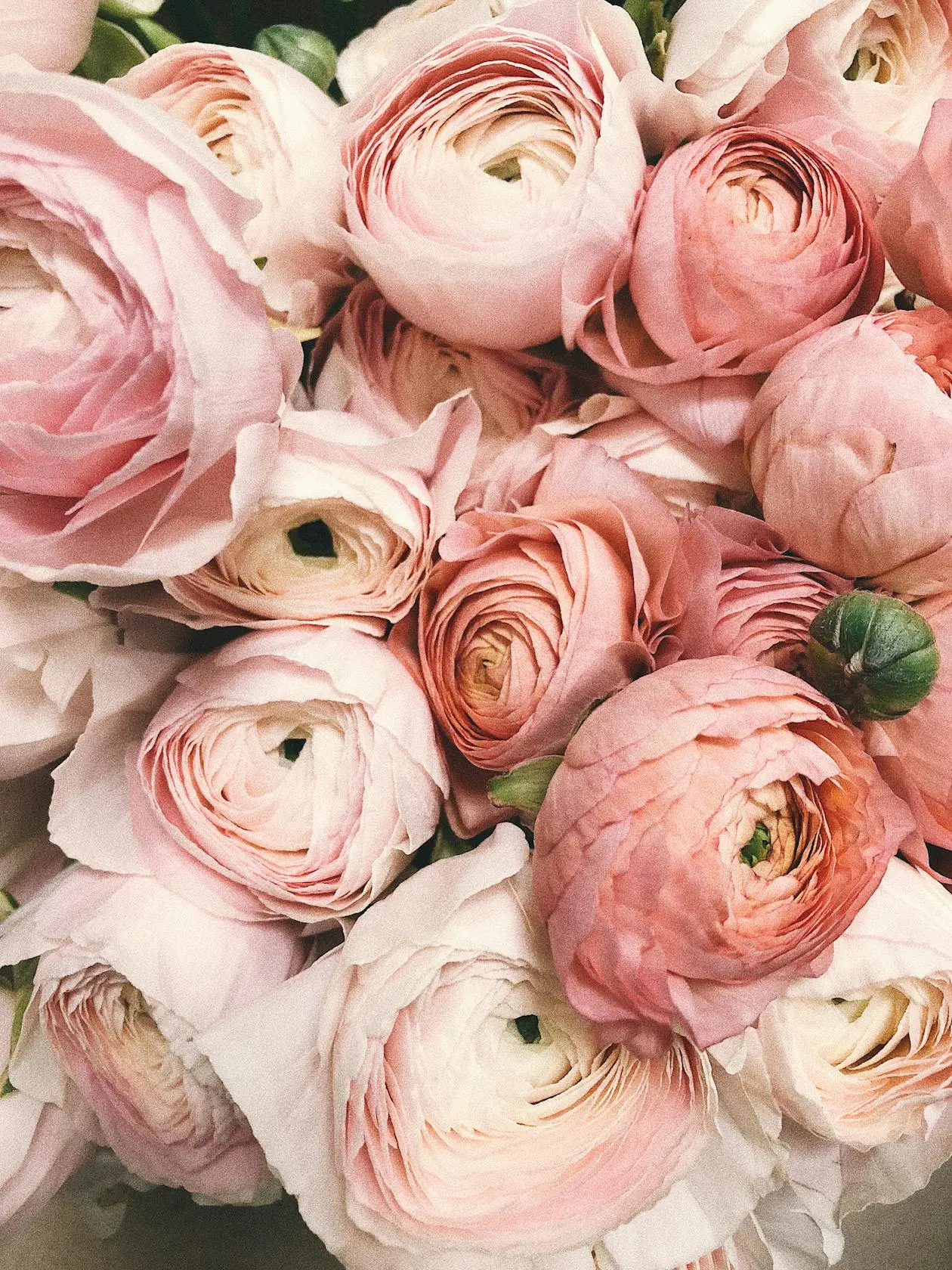
10 Flowers That Last Longer Than a Week
Some flowers are gone in three days. Others stay beautiful for two weeks or more. Know the difference before you order — and make every bouquet count.
Read more →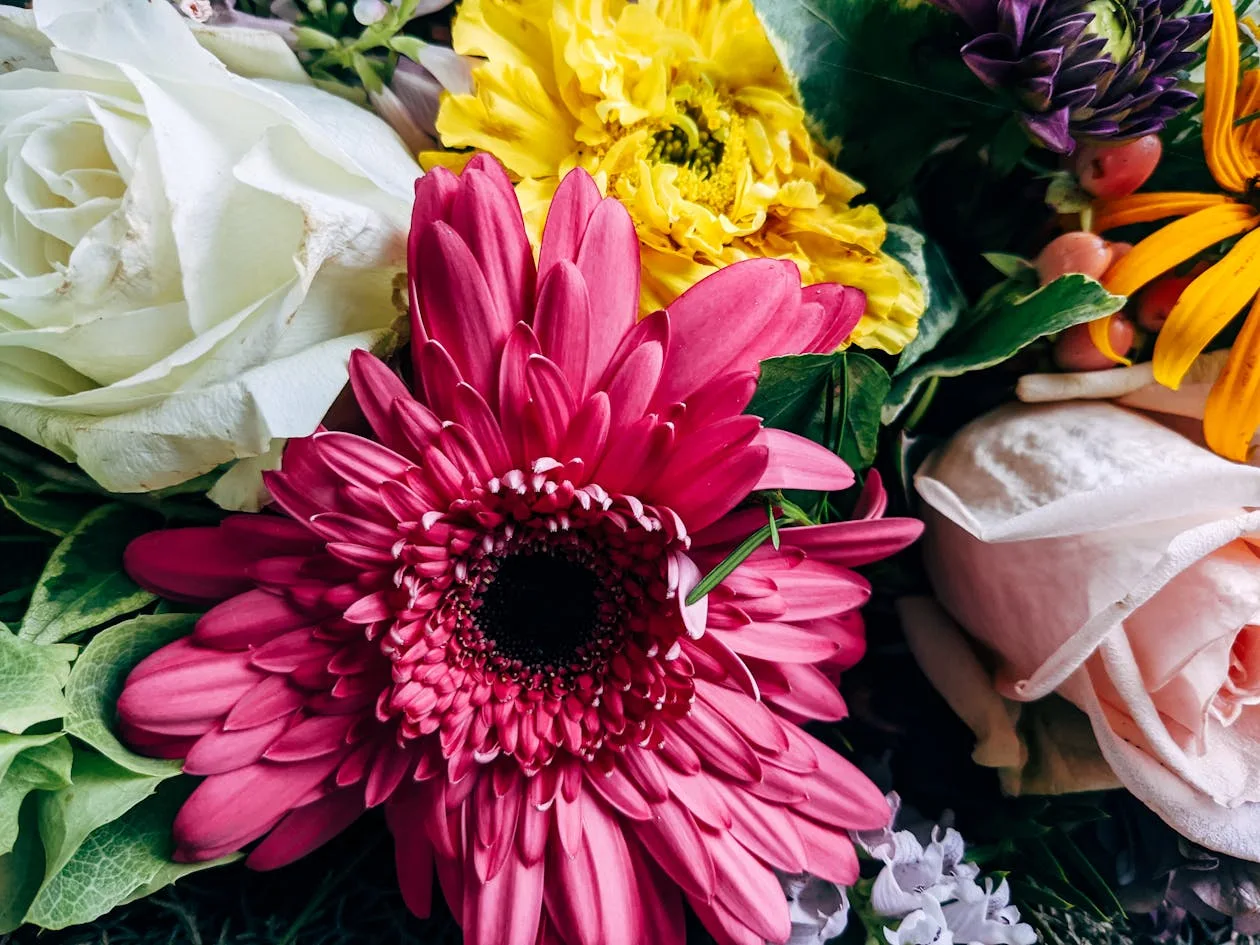
Autumn Flowers: The Season Most People Miss
Most people think of spring as the flower season. Autumn is just as extraordinary, and far less crowded. Here is what Britain grows from September to November.
Read more →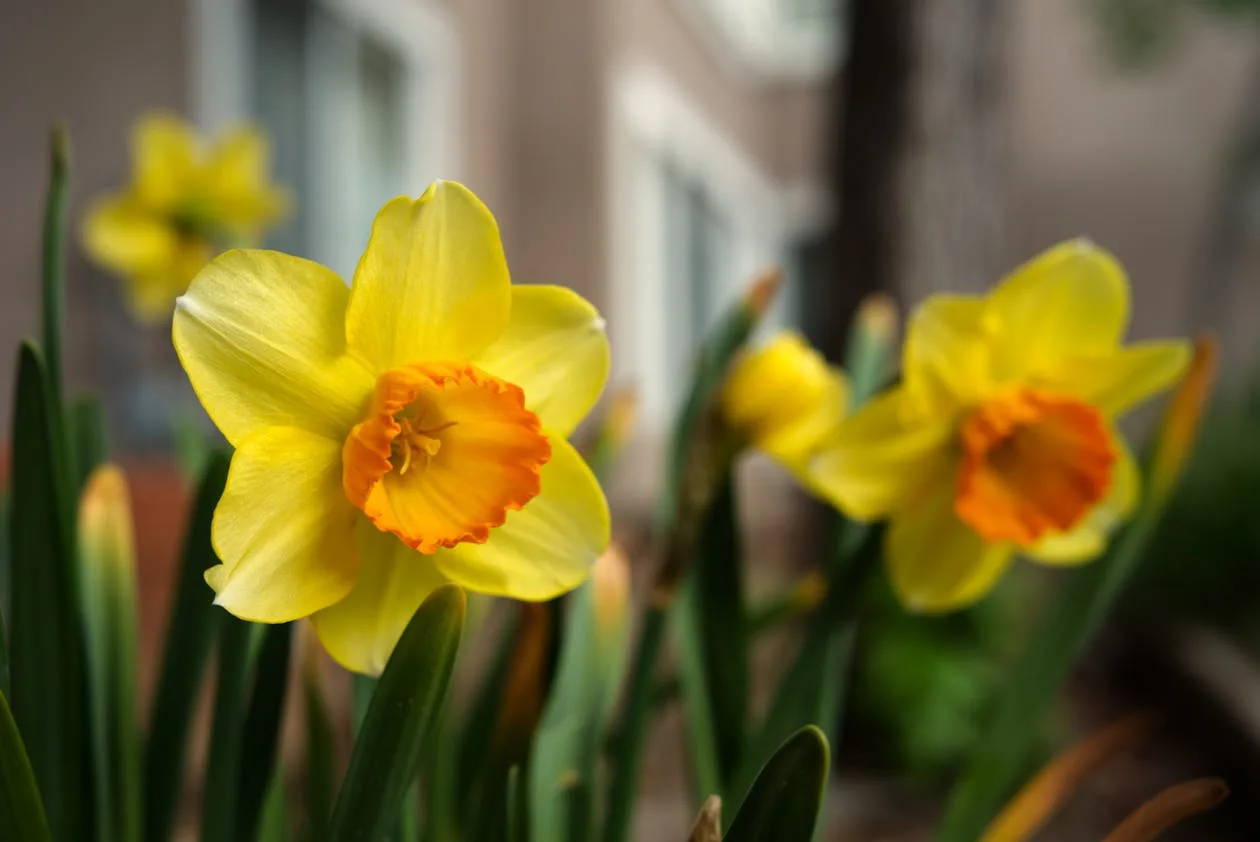
The Definitive Guide to Daffodils
Britain's most beloved spring flower is also one of its most varied. From tiny jonquils to trumpet varieties taller than your hand, daffodils deserve far more than a single mention in March.
Read more →