The Funeral Flowers Guide
Funeral flowers are one of the most important gestures we make, and one of the least discussed. Here is a thoughtful and practical guide to getting them right.
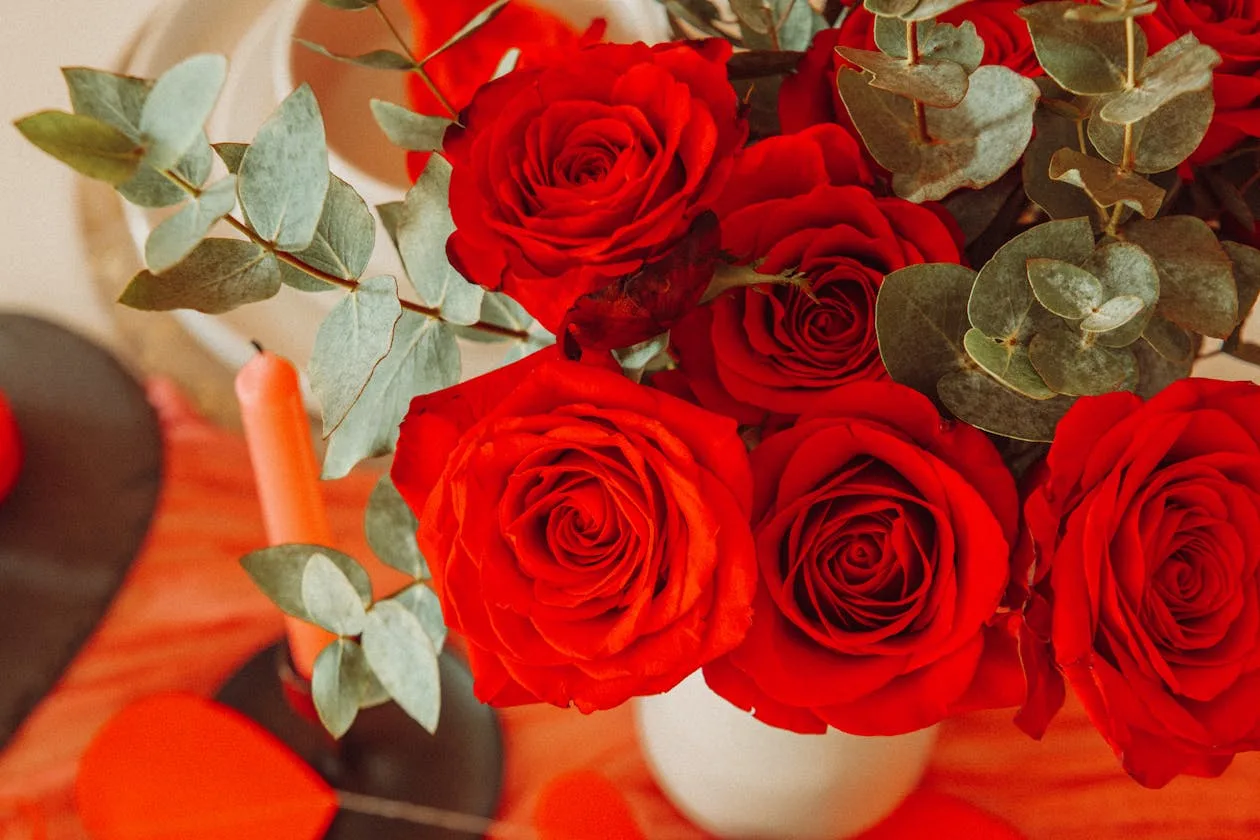
Funeral flowers exist at the intersection of grief, ritual, and the human impulse to do something tangible when language fails. They are not merely decorative: they are a physical expression of love, respect, and the presence of the living at the moment of the dead being honoured. Getting them right matters, and yet it is one of the areas where most people feel least confident. This guide addresses that.
The traditional conventions
British funeral flower tradition uses predominantly white flowers: white lilies, white chrysanthemums, white carnations, and white roses. White carries associations of purity, reverence, and peace across most Western and many non-Western traditions. It is the most universally appropriate choice. Soft pastels (cream, blush, pale lavender) are equally appropriate and provide a slightly warmer alternative to stark white.
Types of funeral flowers
When to send flowers
Flowers sent to the family home in the days before and after the funeral are often more appreciated than flowers sent to the service itself. Funeral services are crowded with flowers, and tributes can be overwhelming and impractical to transport. A thoughtful arrangement delivered to the home a week after the funeral, when the initial wave of support has receded, can mean more than one that arrived on the day.
Funeral flower etiquette
- Check whether the family has requested 'no flowers' or 'family flowers only': many funeral notices now specify this
- If flowers are appropriate, order through a local florist who can liaise with the funeral director
- White is the most universally appropriate colour: avoid very bright colours unless you know these would have been the deceased's preference
- For non-Christian funerals, check cultural conventions: some traditions have specific flower symbolism
- Include a card with a personal message rather than a generic 'with sympathy'
- Sending flowers to the home after the funeral is always appropriate and often more meaningful
“Funeral flowers are not for the dead. They are for the living: a tangible expression that the life ended is mourned, valued, and will not be forgotten.”
Continue reading
The Perfect Bouquet for Every Occasion
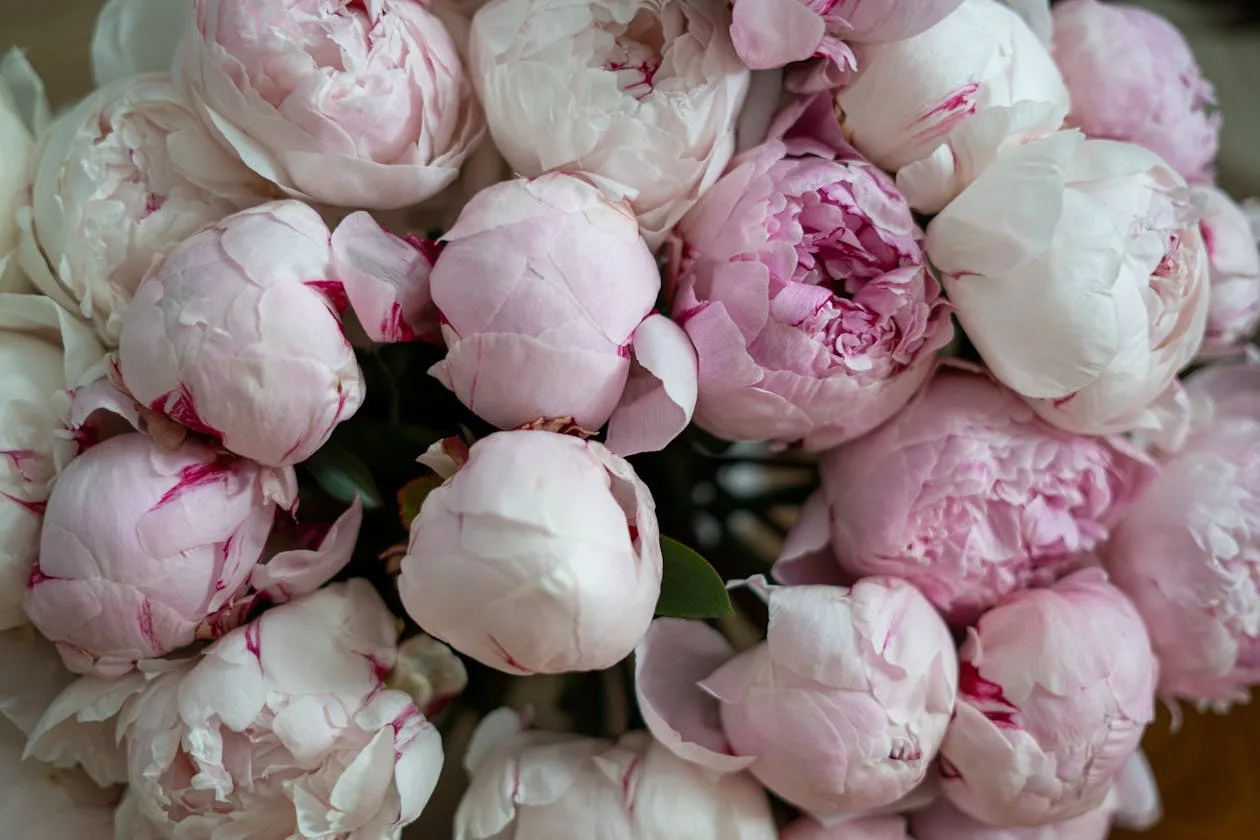
Birthday, anniversary, new baby, thank you, sympathy — each occasion has its own language. Here's how to send exactly the right flowers every time.
Read more →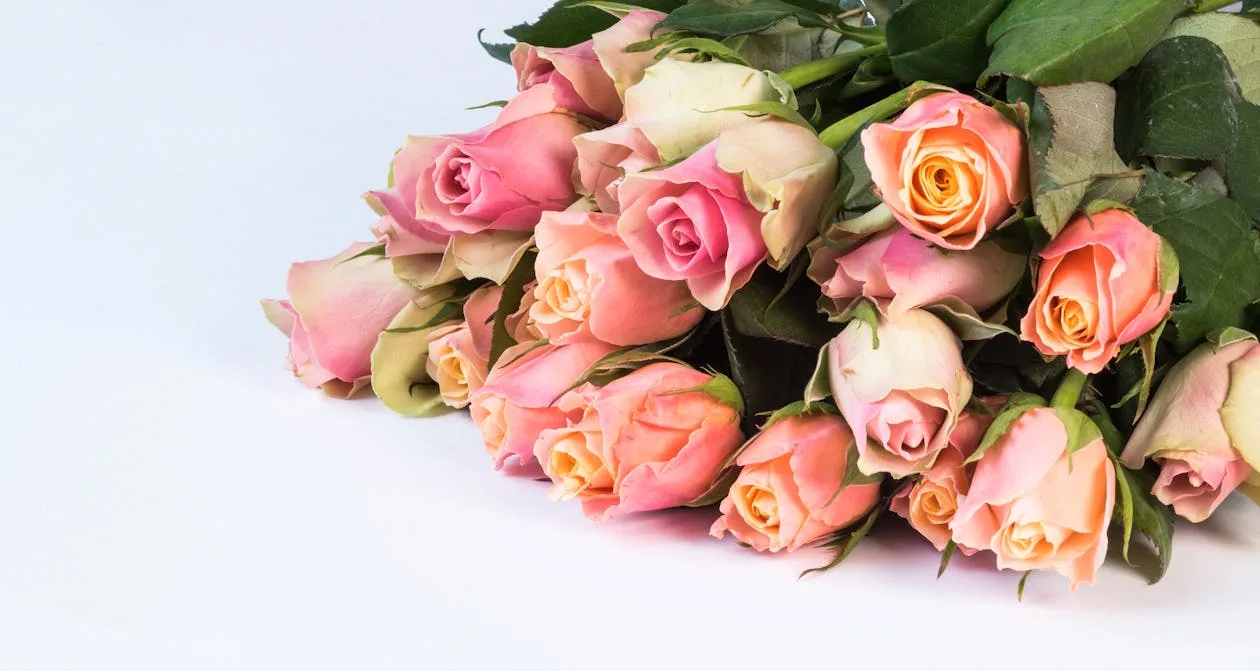
What to Write in a Flower Card
The flowers do most of the work. But the card still matters. Here is how to write something that is heartfelt without being awkward, for every occasion.
Read more →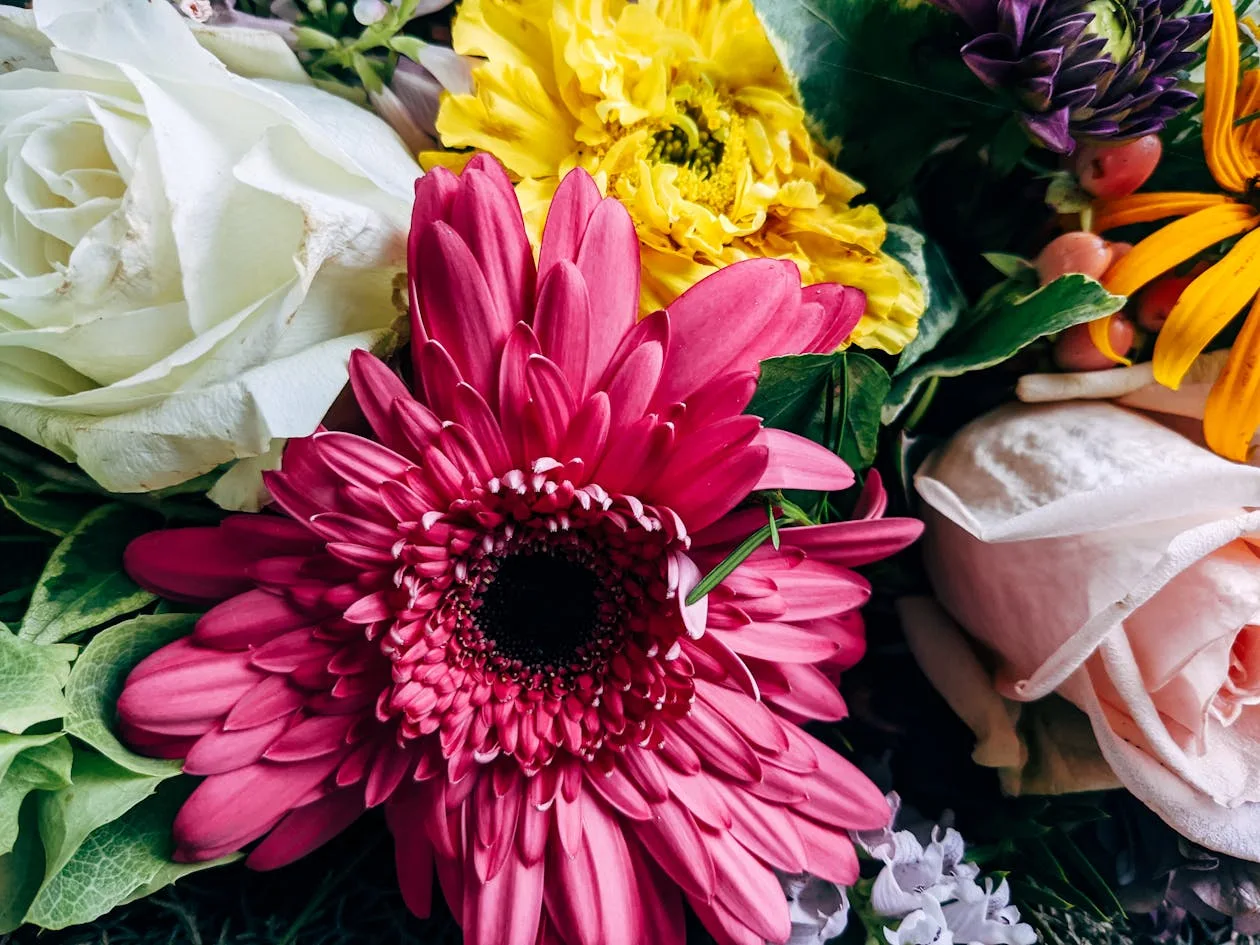
Flowers for Difficult Moments
Some moments are too large for words. Flowers can carry what language cannot. Here is how to choose and send flowers when the occasion is grief, illness, or loss.
Read more →