Flower Gifting Etiquette: The Unwritten Rules
Most of us learn flower-giving etiquette by osmosis, or by making mistakes. This guide collects the conventions that are rarely written down but almost universally observed.
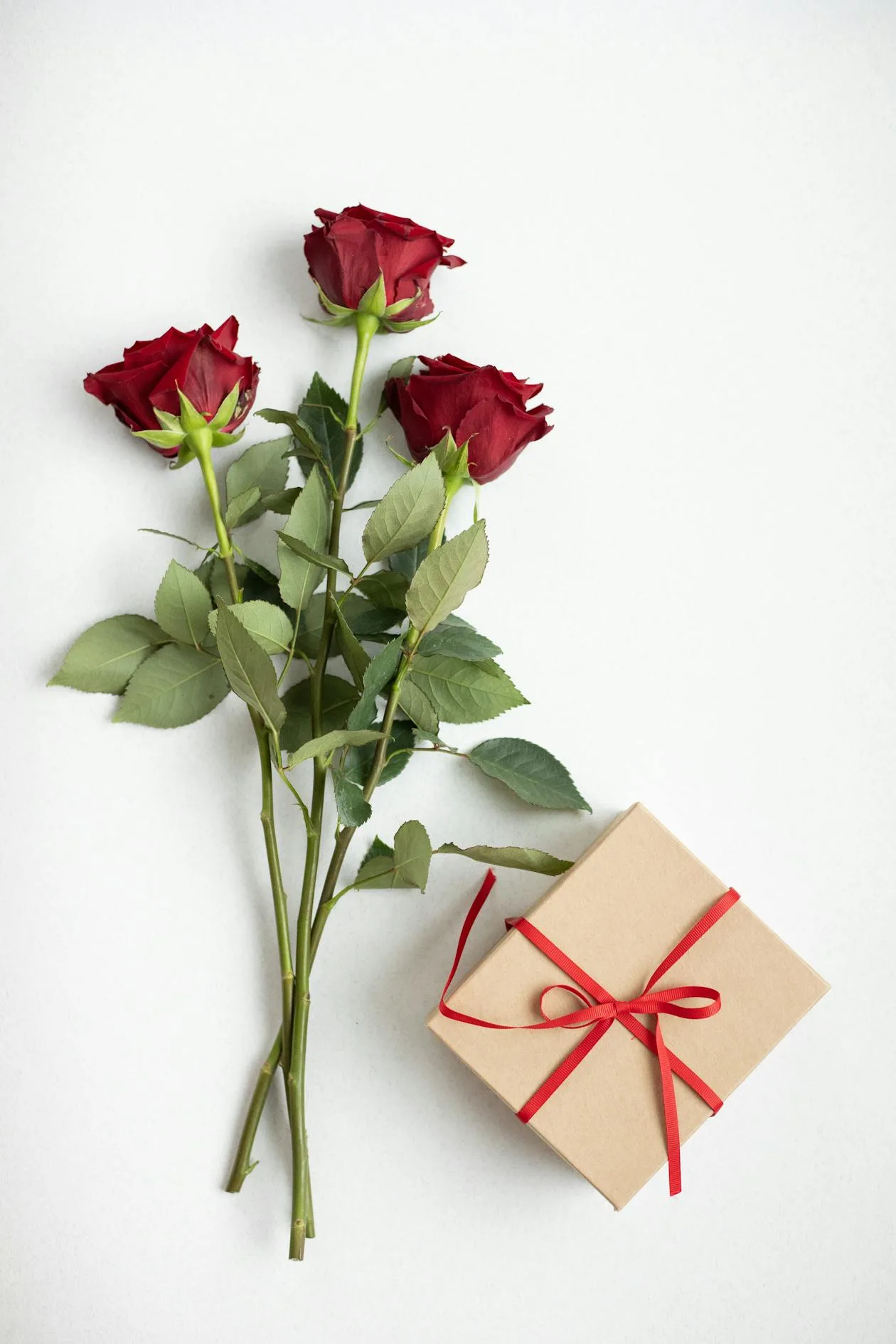
Flower gifting has its own grammar: a set of conventions and courtesies that are rarely articulated but almost universally understood by those who give and receive flowers regularly. Breaking them does not usually cause serious offence, but following them marks you as someone who takes the gesture seriously. Most of the rules exist not for their own sake but because they genuinely make the experience of receiving flowers better.
Remove the price tag: always
This is perhaps the single most universal rule of flower giving, and the one most commonly broken. A price label left on a bunch of flowers forces the recipient to think about cost rather than gesture. It is the floral equivalent of leaving the receipt in a birthday card. Remove it before wrapping or before you leave the shop. If you are sending flowers for delivery and the price will appear on the packing slip, ask the service to omit it.
Odd numbers in European tradition
In many European countries, including Germany, France, and much of eastern Europe, flowers are given in odd numbers. Even numbers are associated with mourning and reserved for funerals. In Britain this convention is observed less strictly, but it is worth being aware of when giving flowers to someone from a cultural background where it matters. If ever uncertain, an odd number is always safe.
“The price tag is removed not to conceal the cost but to redirect attention: from the economy of the gift to its meaning.”
Timing matters
Flowers delivered on the day of an occasion are lovely. Flowers that arrive a day early are a gift in themselves: they build anticipation. Flowers that arrive a week after the event with no explanation can feel like an afterthought. The exception is new-baby flowers and condolence flowers, where a slightly delayed arrival can actually be more meaningful: it says you are still thinking of the person beyond the initial rush.
The etiquette checklist
- Always remove the price tag before giving
- Include water or a water source if giving unwrapped stems
- Do not bring flowers in cellophane to a formal dinner party: present them in a vase or hand-tied
- Check for known flower allergies, particularly with lilies and strongly scented varieties
- Condolence flowers: white, cream, or soft pastel; nothing vivid
- For funerals: check whether the family prefers donations to charity over flowers
- When arriving at a dinner party with flowers, offer to put them in water yourself
The dinner party question
Bringing flowers to a dinner party as the host gift is lovely in principle but creates a minor logistical problem: the host must find a vase, fill it with water, and arrange the flowers while simultaneously welcoming guests and attending to the kitchen. The more considerate approach is either to send flowers the morning before, which is a genuinely appreciated gesture, or to bring something that requires no preparation, such as wine or a potted plant.
Continue reading
The Perfect Bouquet for Every Occasion
Birthday, anniversary, new baby, thank you, sympathy — each occasion has its own language. Here's how to send exactly the right flowers every time.
Read more →
What to Write in a Flower Card
The flowers do most of the work. But the card still matters. Here is how to write something that is heartfelt without being awkward, for every occasion.
Read more →
Flowers for Difficult Moments
Some moments are too large for words. Flowers can carry what language cannot. Here is how to choose and send flowers when the occasion is grief, illness, or loss.
Read more →