Easter Flowers and Their Meanings
Easter is one of the oldest flowering occasions in the British calendar. The flowers associated with it carry meanings far older than the holiday itself, rooted in the same spring symbolism that predates Christianity.
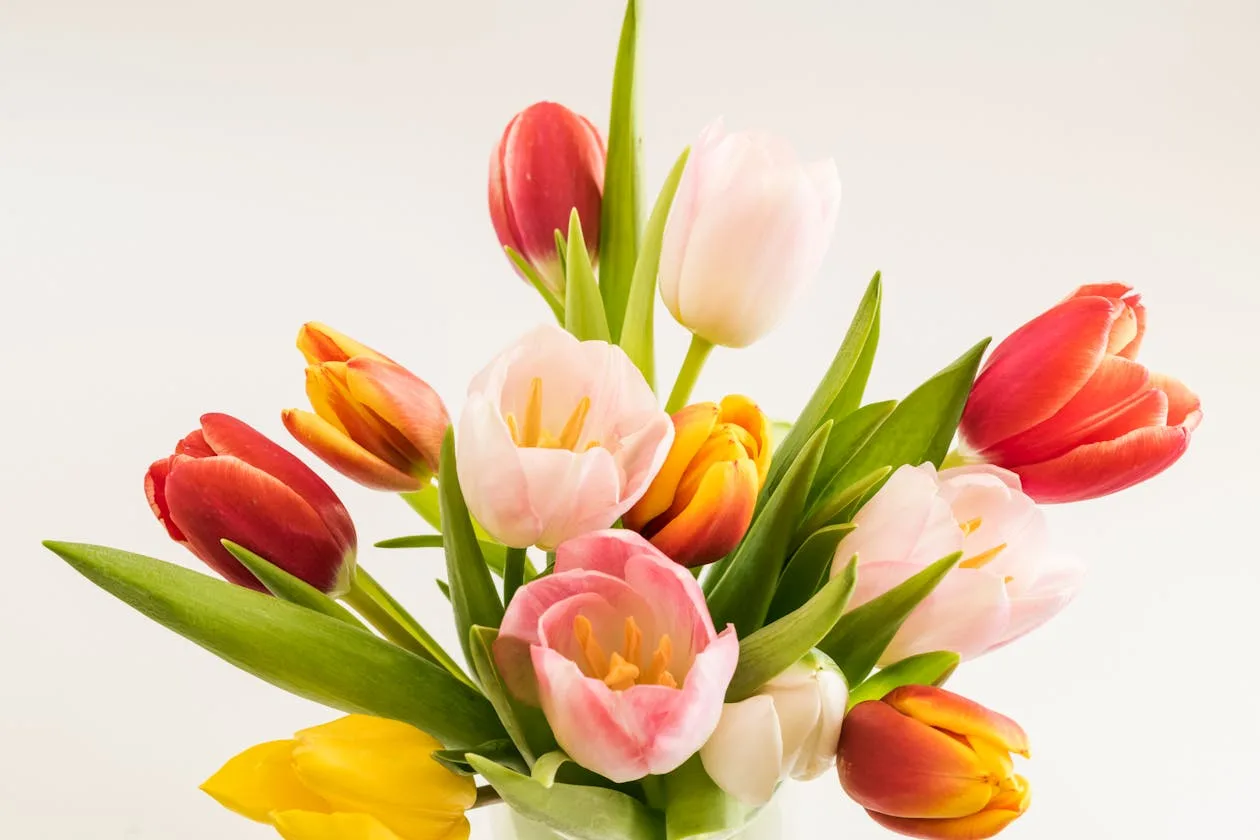
Easter falls in spring, and its flowers are spring flowers: daffodils, tulips, lilies, and the willow catkins that precede them. The association between Easter and fresh flowers is both ancient and instinctive: this is the season of resurrection in the natural world, the moment when the year turns from cold to warmth, from brown to green, from death to flowering life. The religious symbolism of Easter maps onto the natural symbolism of spring with a completeness that no other season quite replicates.
The Easter lily
The Easter lily, specifically Lilium longiflorum, has been the signature Easter flower in Christian tradition since at least the nineteenth century, when its pure white trumpets came to represent purity, resurrection, and new life. In Britain, white lilies appear in churches from Good Friday through Easter Sunday, often alongside white roses and white narcissus. The association between white flowers and Easter Sunday specifically is so strong that many florists report white as their dominant Easter colour even when buyers have not consciously decided on it.
Daffodils and narcissus
In Britain, the daffodil is perhaps the more characteristic Easter flower: it coincides reliably with the Easter period regardless of when the moveable feast falls, it is abundantly grown in Britain, and its yellow-gold colour is associated with both spring sunshine and resurrection. The Welsh daffodil, celebrated on St David's Day in March, is the same flower that fills British gardens and florists throughout the Easter period. Narcissus, particularly the highly fragrant Paperwhite and Jonquil varieties, adds an olfactory dimension to Easter arrangements that lilies alone cannot provide.
“Easter's flowers are spring's flowers, and spring's message has always been the same: after the longest wait, things bloom again.”
Easter flower arrangements
- White and yellow are the dominant Easter palette: white lilies, yellow daffodils, white tulips
- Add lamb's ear, willow branches, or feathery foliage for a traditional pastoral feel
- Pot-grown hyacinths and narcissus bulbs make excellent Easter gifts: they continue to grow
- Keep lilies away from cats: all parts of the lily plant are toxic to felines
- Remove lily pollen before bringing indoors to prevent staining
- An Easter egg hunt with a small posy at each location is a beautiful children's tradition
- Church flowers at Easter traditionally include white: offer to contribute if your church arranges flowers
Willow and catkin: the pre-Easter tradition
Before the cut flower industry existed, the flowering branches available in early spring served as the primary floral decoration for Easter and the week preceding it. Pussy willow, with its soft silver catkins, is still used in British flower arrangements in early spring and has a long history as a Palm Sunday alternative in northern European countries. In Scandinavian tradition, birch branches are brought indoors in the weeks before Easter and decorated with feathers and Easter eggs. This practice of celebrating with branches rather than flowers is ancient, simple, and beautiful.
Continue reading
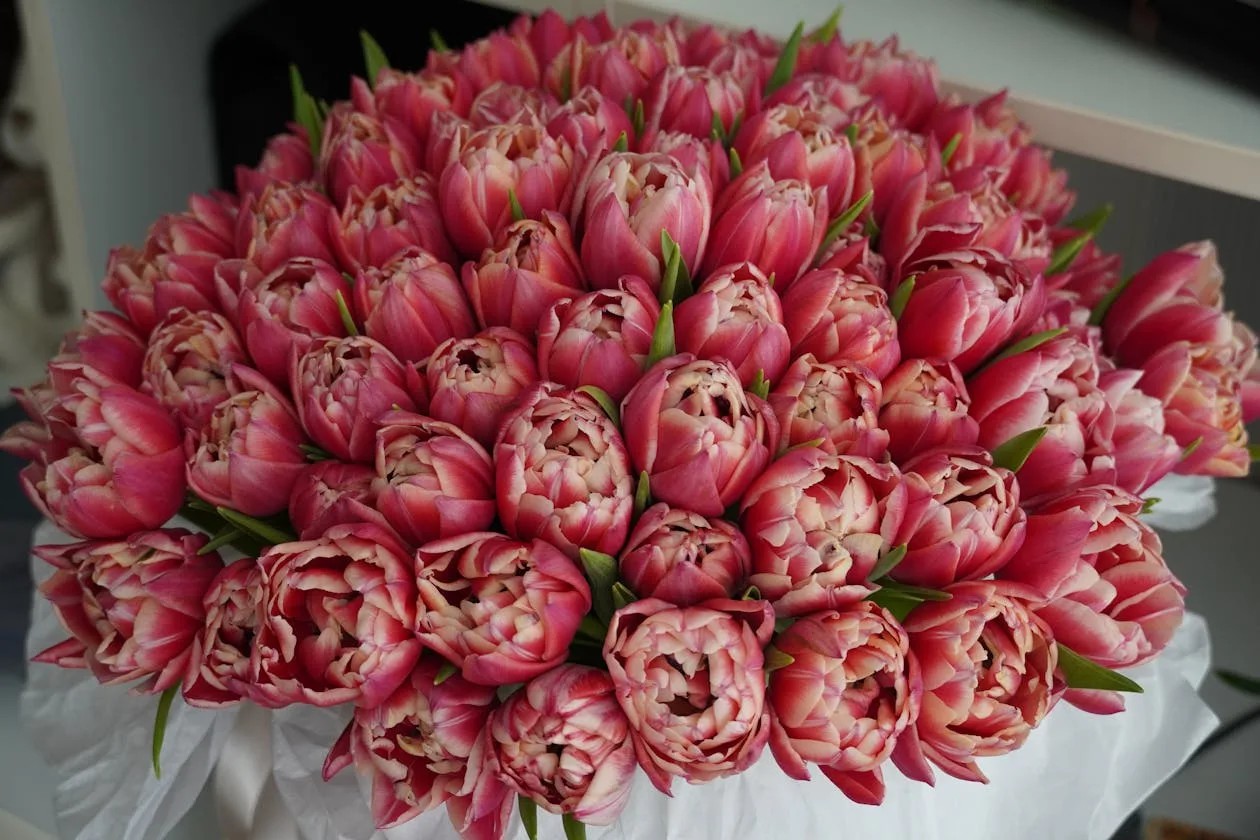
Spring Flowers: Britain's Most Beautiful Seasonal Blooms
From the first narcissi of February to the blowsy peonies of June, spring in Britain is a procession of extraordinary flowers. Here's what to look for — and when.
Read more →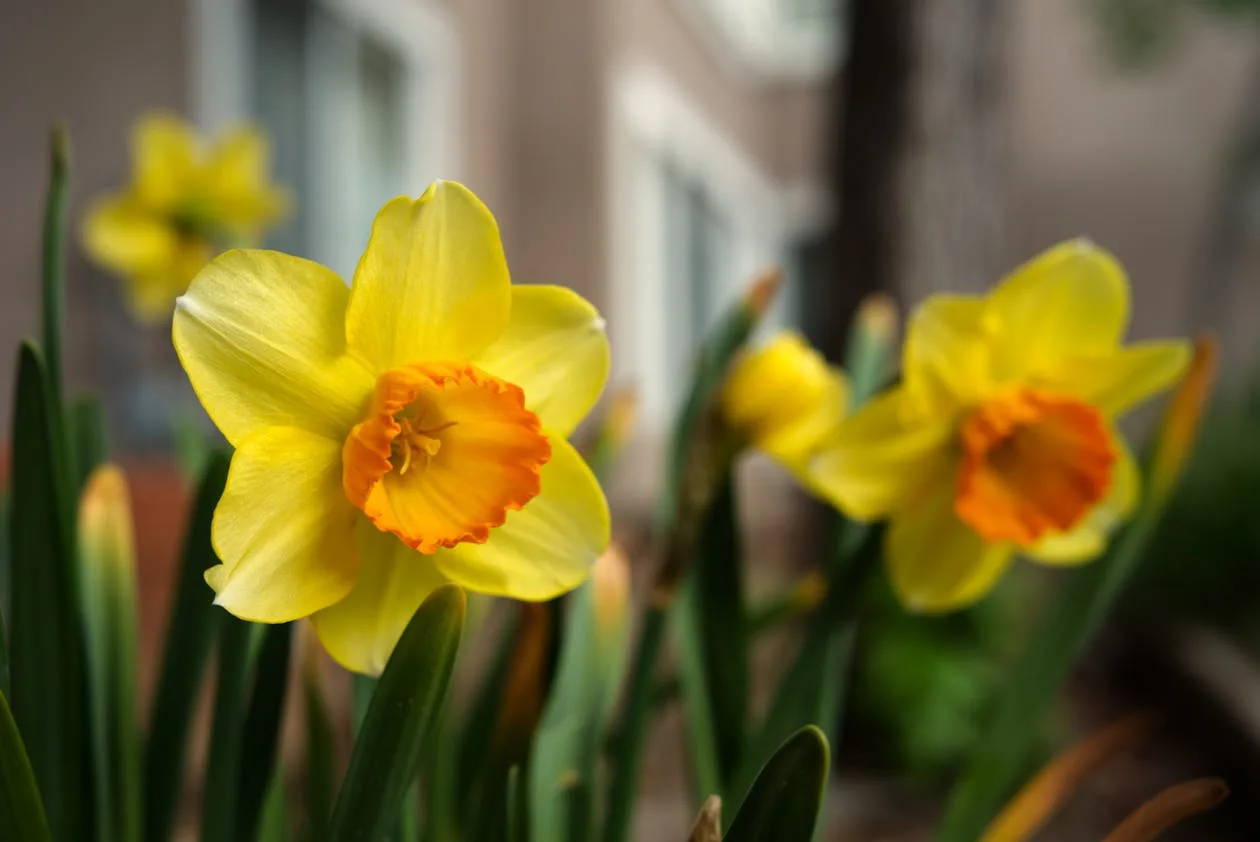
The Definitive Guide to Daffodils
Britain's most beloved spring flower is also one of its most varied. From tiny jonquils to trumpet varieties taller than your hand, daffodils deserve far more than a single mention in March.
Read more →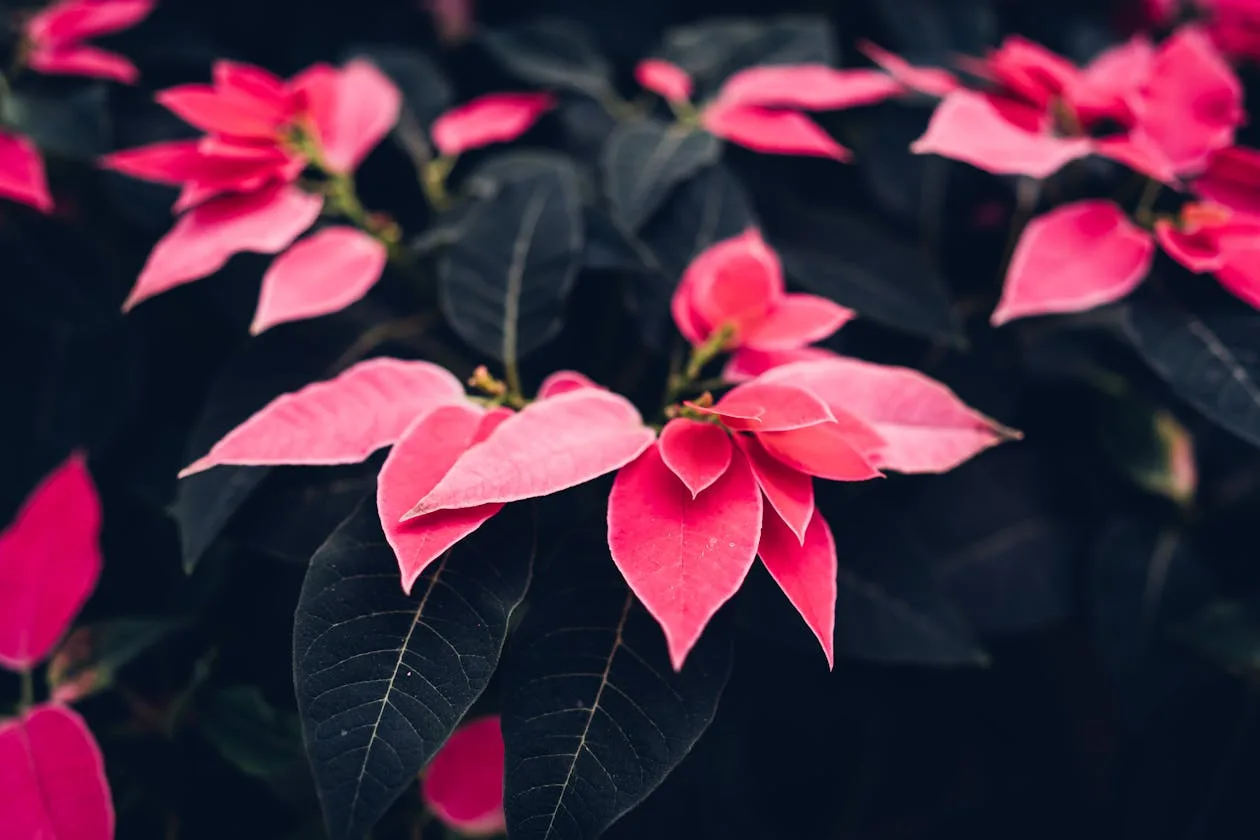
Christmas Flowers and British Traditions
Christmas in Britain has its own floral language: holly, ivy, mistletoe, and the poinsettia that arrives every December. This is the story of how these plants came to mean what they mean.
Read more →