Christmas Flowers and British Traditions
Christmas in Britain has its own floral language: holly, ivy, mistletoe, and the poinsettia that arrives every December. This is the story of how these plants came to mean what they mean.
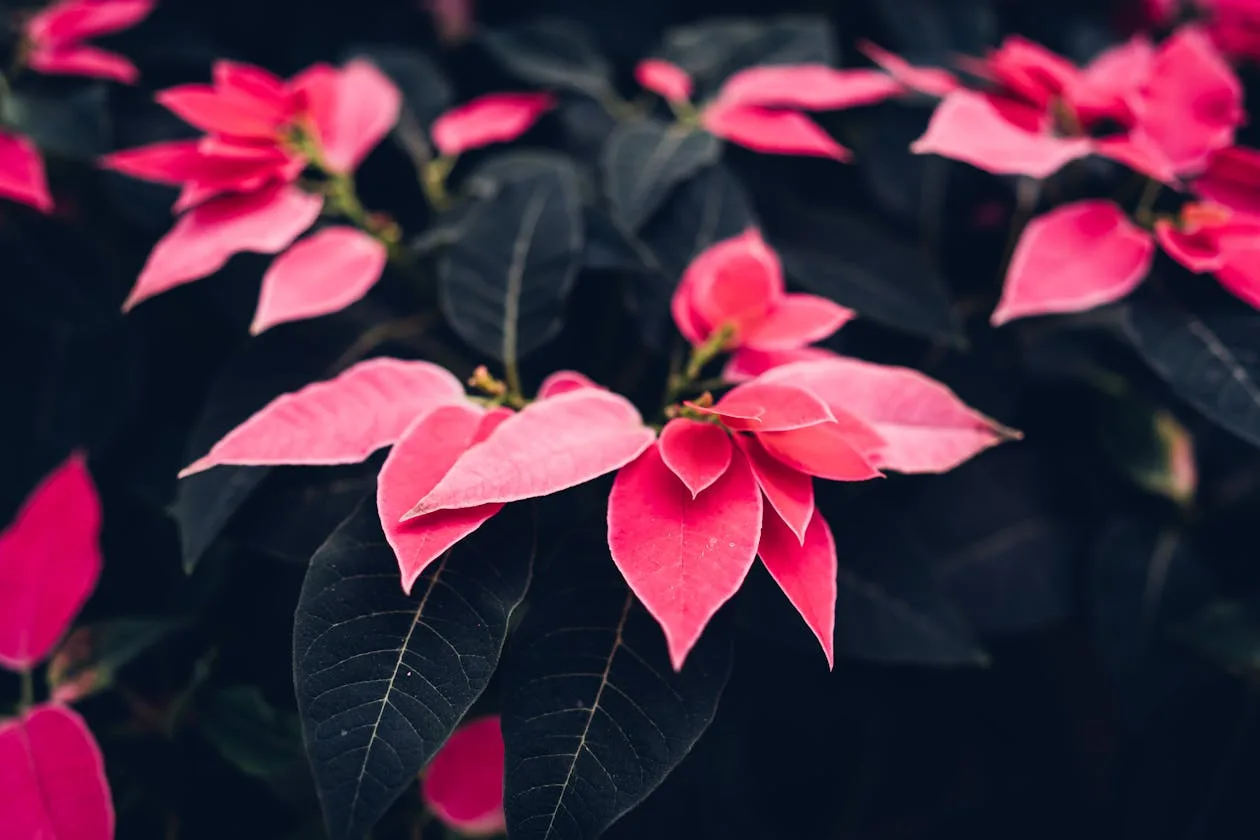
Christmas in Britain would be visually incomplete without its flowers and foliage. Holly with its glossy leaves and vivid red berries; ivy cascading from mantelpieces; mistletoe hanging in doorways; the brilliant scarlet bracts of the poinsettia on every windowsill in December. These plants have been part of the British midwinter for centuries, their presence predating Christianity and their symbolism layered with meaning accumulated across many generations.
Holly: protection and eternal life
Holly was sacred to the Romans and was incorporated into their midwinter festival of Saturnalia, from which many British Christmas customs descend. Its ability to remain green and berry-bearing through winter made it a powerful symbol of life persisting through darkness. In British folk tradition, a house decorated with holly was believed to be protected from evil spirits through the winter months. The prickly male holly and the smoother female variety were once given different symbolic associations: prickly holly supposedly indicating that a husband would rule the household in the coming year, smooth holly that the wife would.
Mistletoe: the druid plant
Mistletoe is the most mysterious of British Christmas plants. It grows parasitically on the branches of apple, poplar, and lime trees and was regarded by the ancient Druids as sacred precisely because it seemed to belong neither to the ground nor the sky. The modern kissing tradition associated with mistletoe has murky origins, appearing most clearly in eighteenth-century Britain, where it was established practice that a young man could claim a kiss from any woman standing beneath a hanging bunch of mistletoe. Each berry was removed with each kiss, and when the berries were gone, the kissing rights expired.
“Mistletoe belongs to no tree and needs no soil. In the dead of winter, when everything else has retreated, it remains green and berry-heavy, growing in the air between worlds.”
The poinsettia: a Mexican arrival
The poinsettia is a relative newcomer to British Christmas, arriving from Mexico via the United States in the twentieth century. Its vivid red bracts, often mistaken for petals, are actually modified leaves surrounding tiny yellow flowers at the centre. In Mexico, the poinsettia is known as La Flor de Nochebuena, the Flower of Christmas Eve, associated with a legend in which a poor girl's simple gift of weeds was transformed into brilliant red flowers. In Britain it became ubiquitous through supermarket sales, though quality varies enormously: a well-chosen poinsettia from a specialist grower can last well into January.
Making Christmas plants last longer
- Poinsettias: keep away from cold draughts and radiators; water sparingly at the base, never overhead
- Amaryllis: cut the hollow stem slightly shorter when it grows too tall; it can be regrown next year
- Holly in arrangements: condition in deep cold water overnight before using
- Mistletoe: hangs best in cool conditions; warmth causes it to dry and drop berries quickly
- Forced narcissus: buy bulbs in November for blooms by Christmas; plant in pebbles and water
- Christmas roses (Helleborus niger): cut when first opening and condition in water immediately
The Christmas rose and forced narcissus
Two cut flowers have particular associations with British Christmas: the Helleborus niger, correctly called the Christmas rose for its habit of flowering in December and January, and forced narcissus, particularly the tiny 'Paperwhite' variety, which fills a room with extraordinary sweetness. The Christmas rose is not a rose at all but a hellebore, and its pure white petals and golden stamens are one of the most beautiful things the winter garden offers. Forced narcissus, grown in a bowl of pebbles and water, was a Victorian Christmas tradition that has never entirely faded and deserves a wider revival.
Continue reading
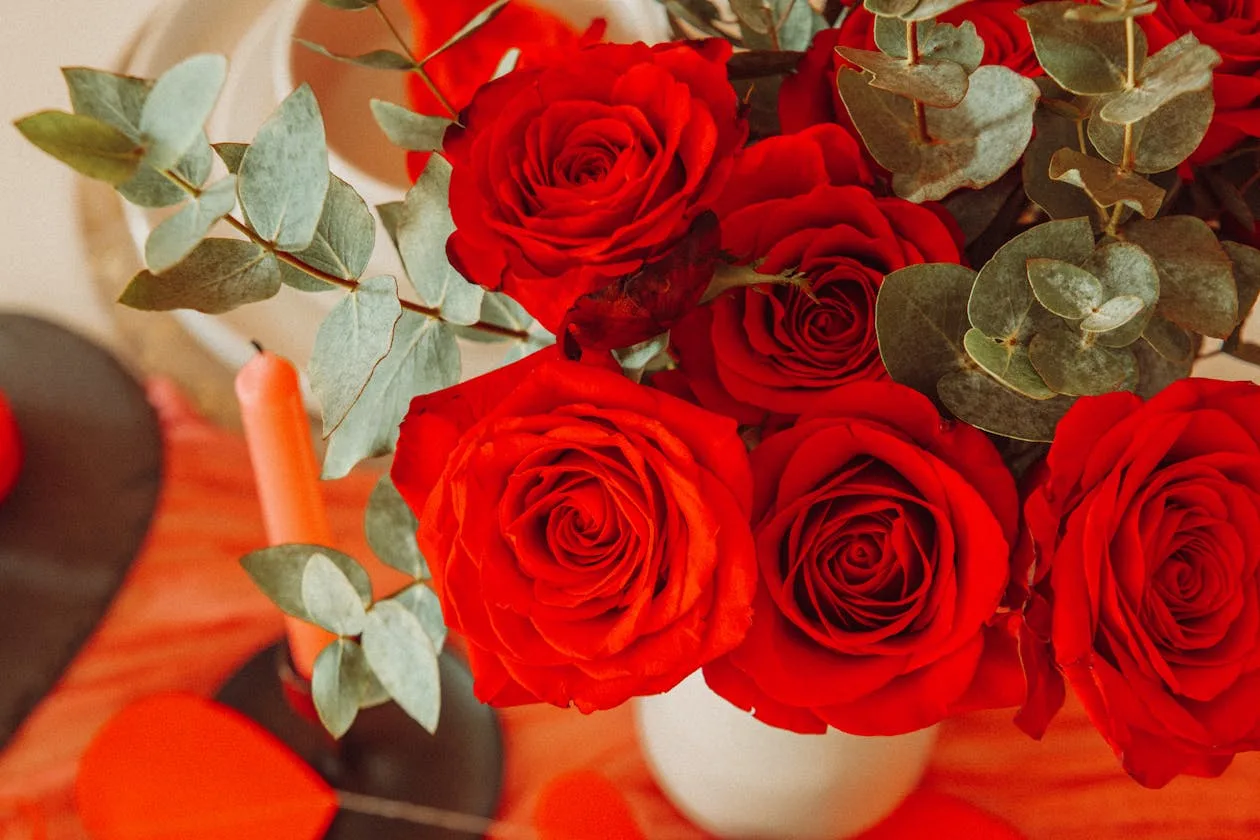
Winter Flowers: Beauty in the Coldest Months
Winter does not mean no flowers. It means different flowers, chosen for the season. Here is what Britain grows and imports through December, January, and February.
Read more →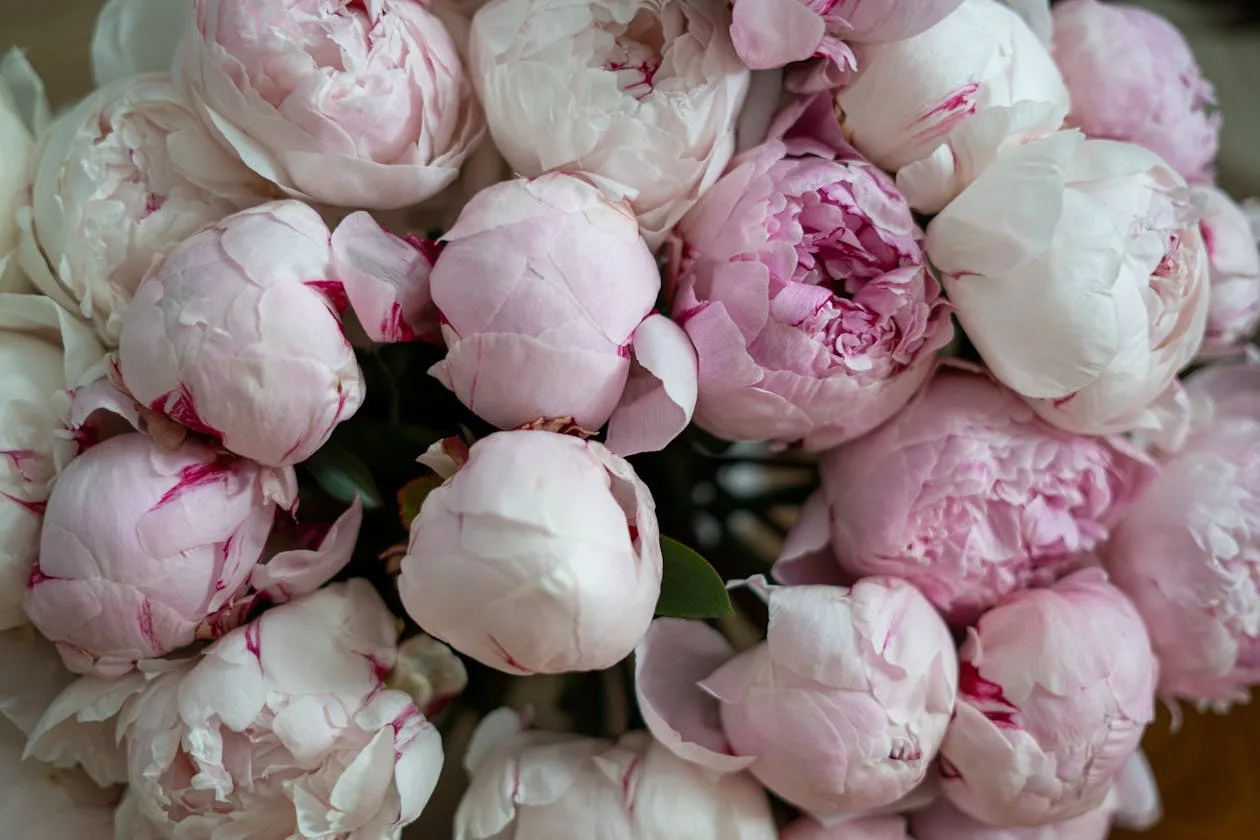
Flowers and Interior Design
The right flowers in the right space do something that furniture and lighting cannot. Here is how interior designers think about flowers, and how to apply it at home.
Read more →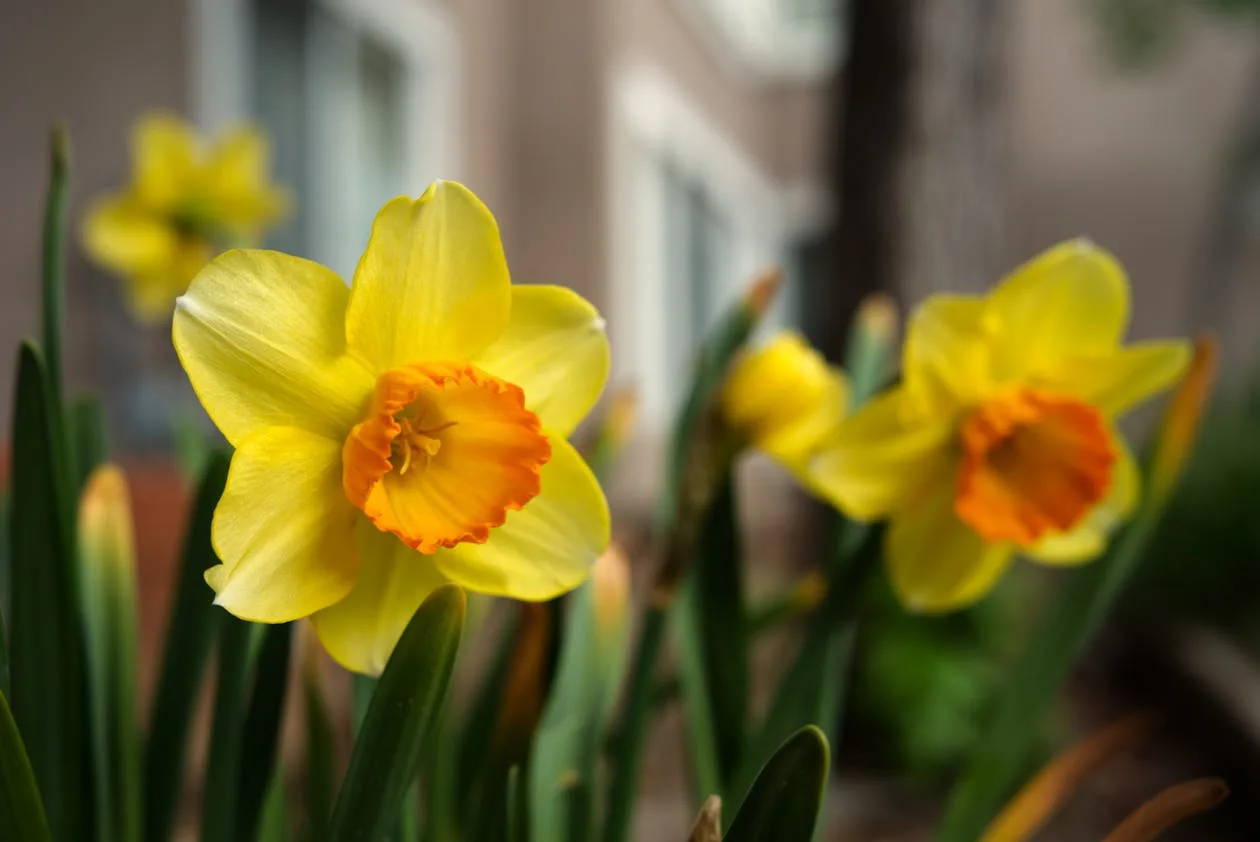
The Definitive Guide to Daffodils
Britain's most beloved spring flower is also one of its most varied. From tiny jonquils to trumpet varieties taller than your hand, daffodils deserve far more than a single mention in March.
Read more →