Why Cutting Flower Stems Properly Changes Everything
The single most common reason cut flowers die earlier than they should is a blocked or dried stem end. The fix takes thirty seconds and extends vase life by days. Here is how.
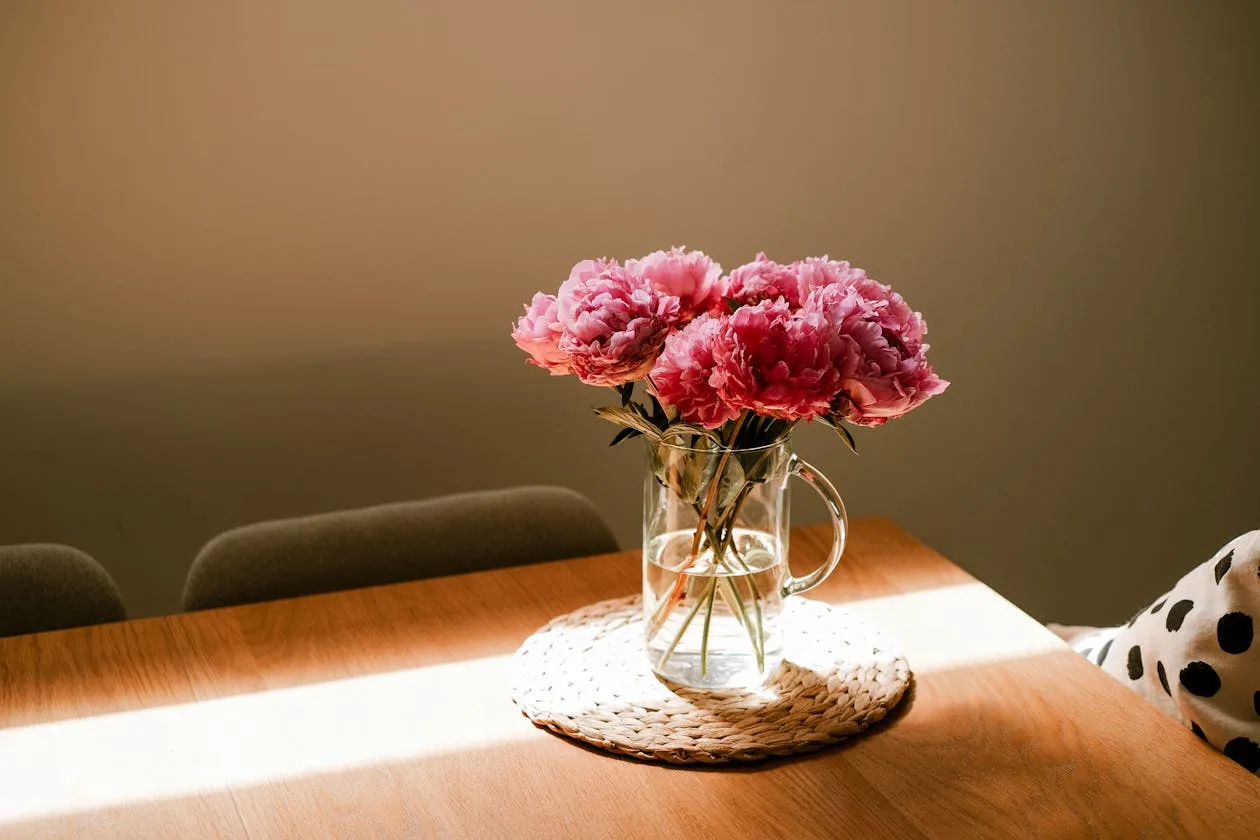
The journey a cut flower takes from farm to doorstep is long, and for most of it the stem is out of water. By the time flowers arrive with you, the cut end has begun to seal and harden, restricting the flower's ability to draw up the water it needs to stay fresh. This is the primary cause of premature wilting, and it is almost entirely preventable. The solution is to recut the stems before placing them in a vase, at a fresh angle, with a sharp blade. What happens next, and how well your flowers perform over the following week, depends almost entirely on this.
The diagonal cut and why it matters
Cut stems at a 45-degree angle rather than straight across. This achieves two things: it dramatically increases the surface area through which the flower can draw up water, and it prevents the flat end of the stem from sitting flush against the bottom of the vase and blocking uptake entirely. The difference in vase life between flowers cut diagonally and those left with a flat end is not trivial. Studies of commercial flower longevity consistently find that stem preparation is among the most significant variables.
The correct stem-cutting method
- Use a sharp knife or proper floral scissors — blunt blades crush rather than cut the stem
- Cut at a 45-degree angle, removing at least 2 to 3 cm from the end
- Cut under water or transfer immediately to water: air bubble formation in the stem is the enemy
- Remove any leaves that will sit below the waterline: they rot and contaminate the water
- Recut every two to three days as you change the water
- For woody stems such as lilac, lightly crush the cut end to increase surface area further
Different flowers, different approaches
Most flowers benefit from the standard diagonal cut. Tulips are an exception: they continue to grow in the vase and respond well to being recut and having their vase water changed frequently. Roses should be cut under water if possible, as they are particularly susceptible to air bubbles. Lilies require nothing unusual beyond the diagonal cut and submerged leaves removal. Peonies in bud often benefit from a very fresh cut, warm water, and a few hours in a warm room to encourage opening.
“The difference between flowers that last four days and flowers that last ten is rarely the variety. It is almost always what happened in the first ten minutes after they arrived.”
The thirty seconds you spend recutting stems when flowers arrive is not optional flower-care fussiness. It is the difference between flowers that outlast the memory of receiving them and flowers that are in the bin before the week is out. Cut the stems. Change the water. Keep them away from fruit and direct heat. That is the entirety of what cut flowers require from you.
Continue reading
How to Make Cut Flowers Last Longer: The Science
Cut flowers die for predictable, preventable reasons. Understanding the science behind vase life means you can do something about it. Here is what actually works.
Read more →
Choosing the Right Vase for Your Flowers
The right vase can make good flowers look great. The wrong one can make great flowers look mediocre. This guide will help you choose and use vases more deliberately.
Read more →
Water, Stems, and Vase Life: The Science Explained
The single biggest factor in how long cut flowers last is water management. Understanding the science behind stem hydration will help you keep flowers alive significantly longer.
Read more →