Snapdragons: The Unsung Hero of the Summer Cutting Garden
Cheerful, architectural, and available in every colour imaginable, snapdragons are beloved by professional florists yet largely overlooked by the home grower. It is time to change that.
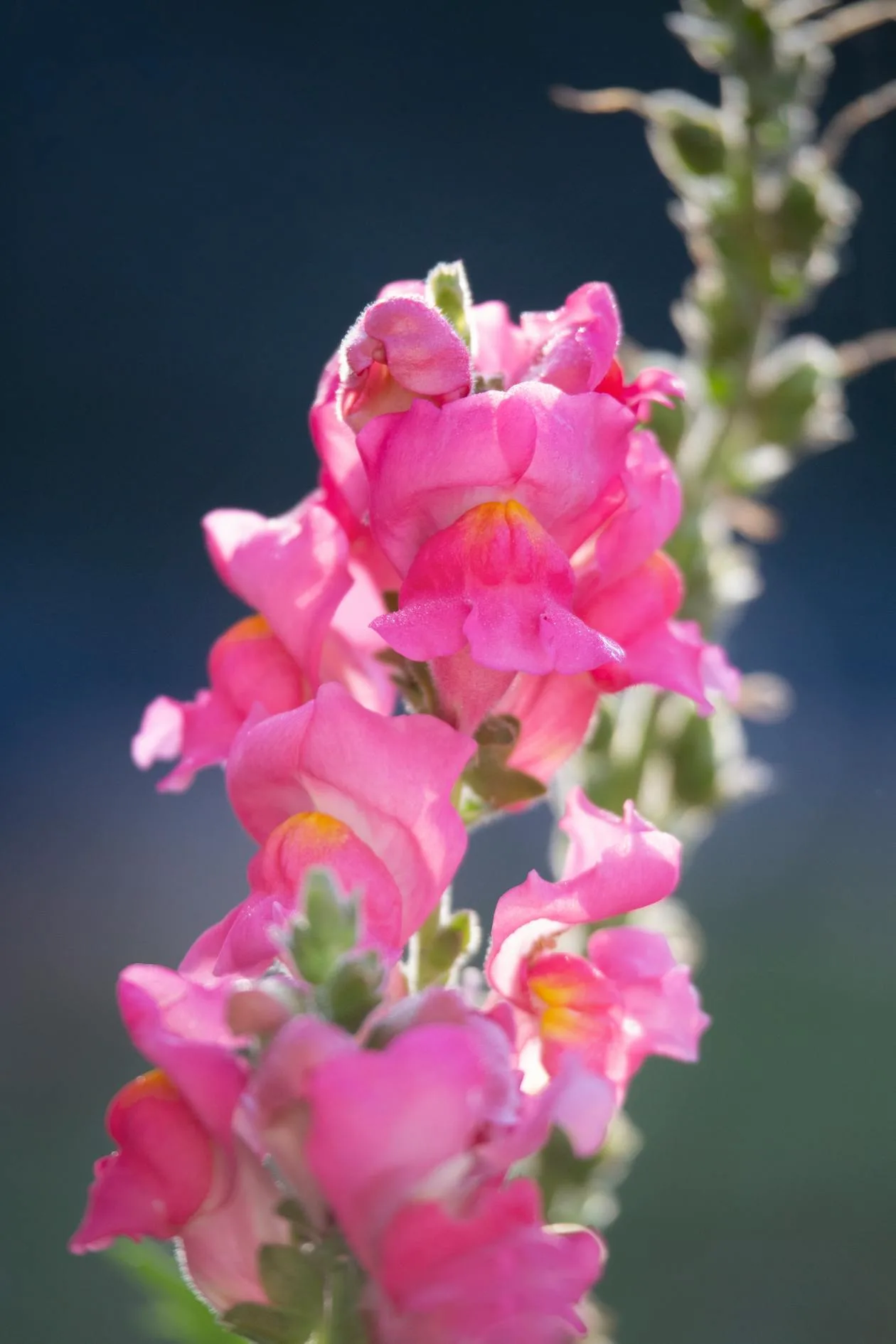
Antirrhinum majus — the snapdragon — is one of the most rewarding flowers a British gardener or home grower can choose. It flowers prolifically over a long season, produces tall, elegant spikes that add vertical structure to any arrangement, comes in a colour range spanning nearly the entire spectrum, and responds to cutting by producing more and more stems. It is, in short, almost perfect — and yet it receives a fraction of the attention lavished on dahlias, peonies, and sweet peas.
The spike flower in floristry
In floristry, flowers are classified by form: round flowers (roses, peonies), spike flowers (snapdragons, delphiniums, gladioli), and filler flowers (gypsophila, wax flower). Spike flowers provide the visual movement and upward energy that round flowers alone cannot supply. An arrangement without a spike flower tends to look static and heavy. Snapdragons, with their gracefully tapered form and the way individual florets open progressively from the base upwards, are one of the most elegant spike flowers available.
“A spike flower changes the physics of an arrangement. Suddenly everything is in motion: reaching, climbing, extending beyond its edges.”
Varieties worth growing
For cutting, choose tall varieties — the Rocket series and Madame Butterfly series both produce stems of 60 to 90cm. Madame Butterfly is particularly prized by florists for its open-faced, azalea-like florets rather than the classic closed 'snap' — giving it a softer, more romantic appearance. The Chantilly series offers more muted, dusty tones popular in contemporary floristry. For home gardens, the Snapshot series is shorter and bushier but equally floriferous.
Growing and cutting snapdragons
- Sow seeds under glass from January to March for summer flowering
- Pinch out the growing tip when seedlings are 10cm tall to encourage bushy, multi-stem plants
- Cut when the lowest two to three florets on the spike have just opened
- Condition in deep, cold water for several hours before arranging
- The curve of snapdragon stems towards light is a feature, not a flaw — use it in arrangements
- After the main spike is cut, side shoots will produce additional shorter stems throughout summer
Vase life and arrangement
Snapdragons last seven to ten days in the vase. The florets open progressively from the base upward, so an arrangement with several snaps at different stages of opening creates a satisfying sense of unfolding. Remove spent lower florets as they fade to keep the arrangement tidy and encourage the upper buds to open. Snapdragons are ethylene-sensitive — keep away from fruit — but are otherwise tolerant and easy vase companions.
Continue reading
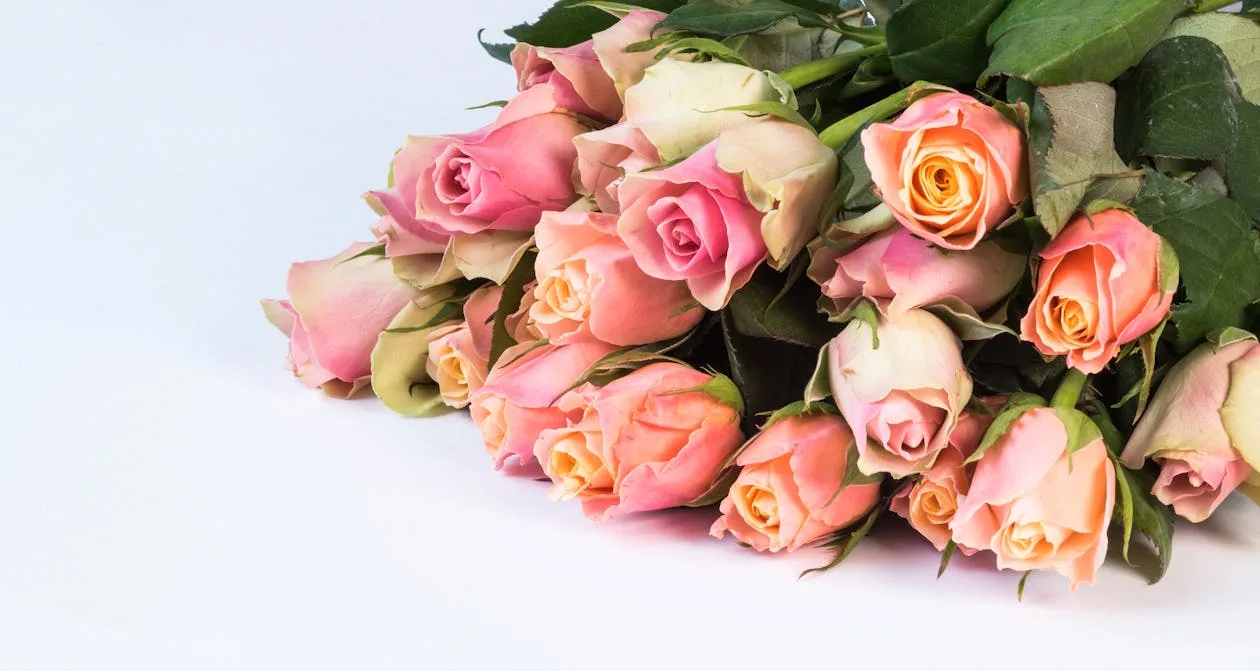
Gypsophila, Eucalyptus, and the Fillers That Make a Bouquet
Filler flowers and foliage are the unsung heroes of any great arrangement. Here is what the best ones do, and how to use them with confidence.
Read more →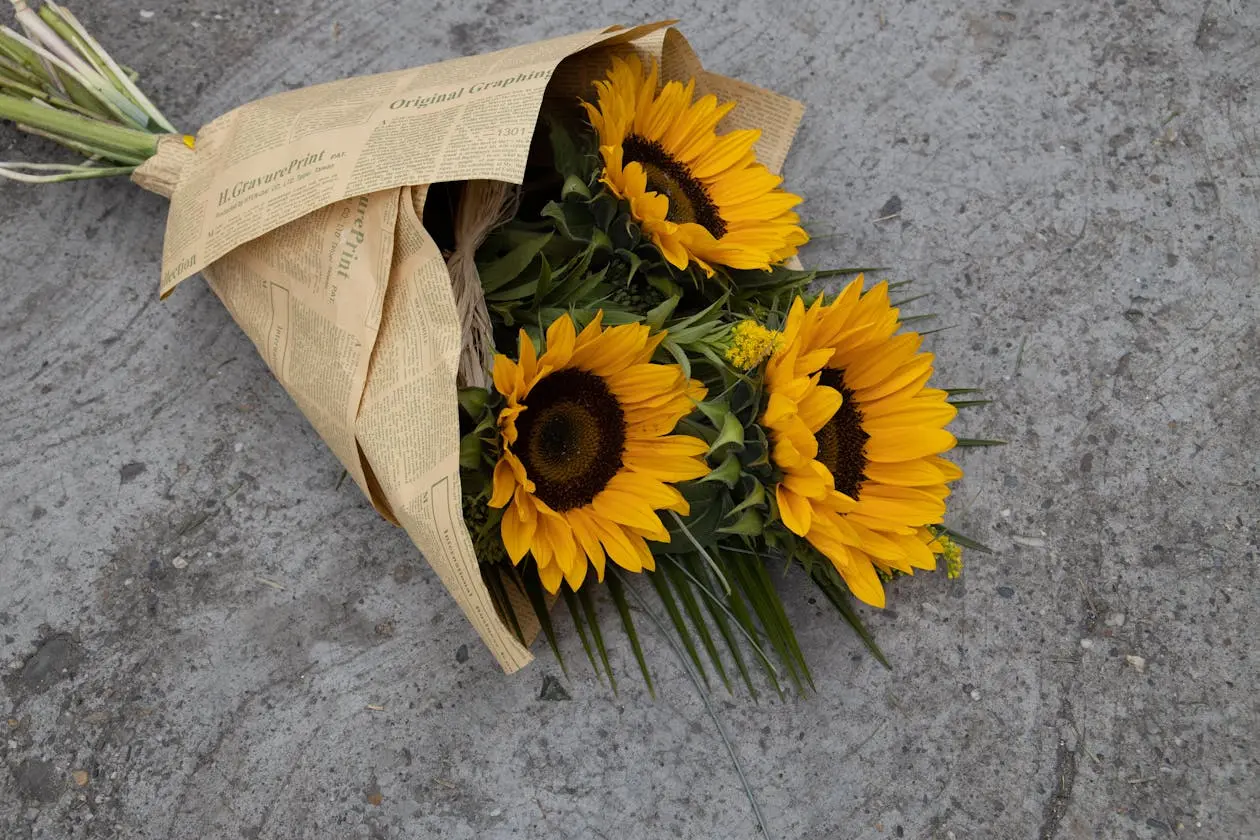
Summer Flowers: Britain's Garden at Full Bloom
British summer produces a flower display that rivals anywhere in the world. Here is what is available, when, and how to make the most of it.
Read more →Building a Cutting Garden
A cutting garden is one of the most rewarding things you can grow. Here is how to design, plant, and maintain a patch that produces beautiful flowers from spring to autumn.
Read more →