Orchids Demystified: How to Keep Them Alive and Reblooming
Orchids have a reputation for being difficult. That reputation is almost entirely wrong. Here is the straightforward truth about keeping orchids happy.
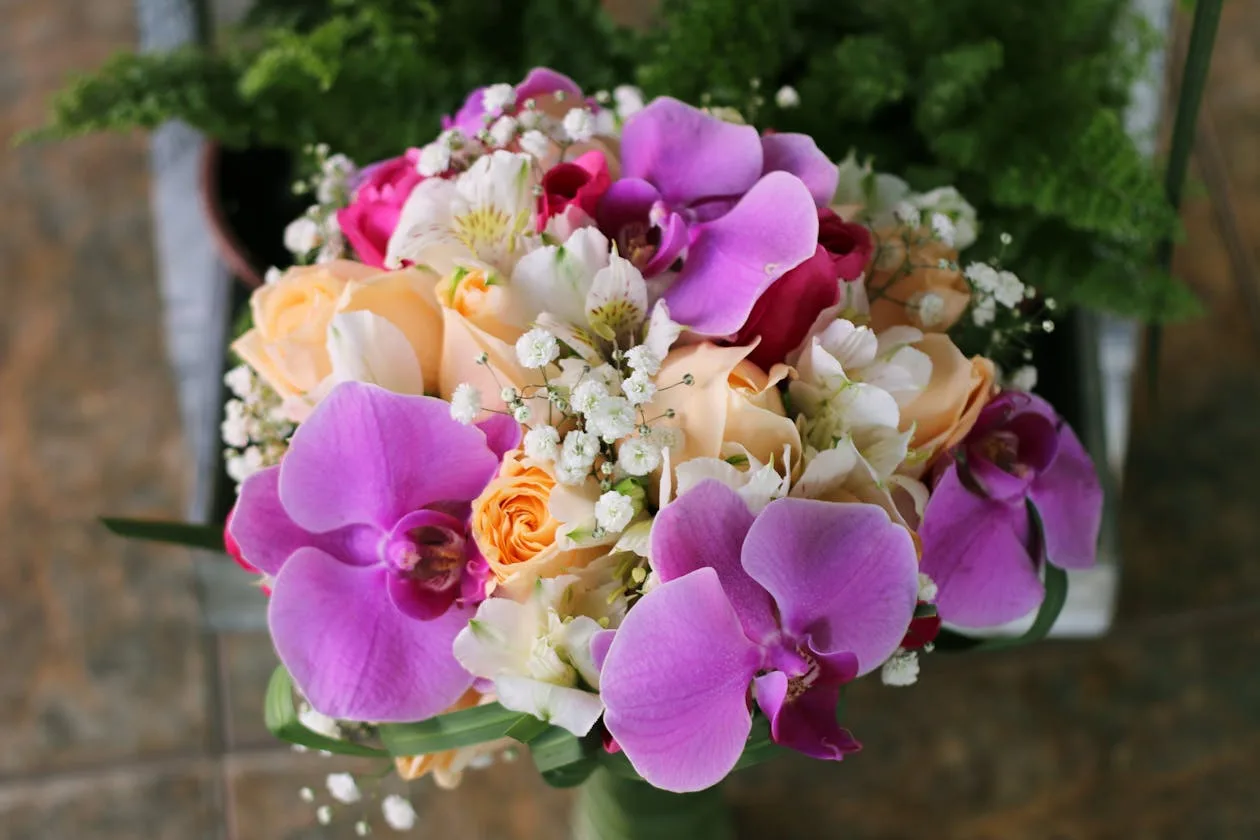
The orchid is the most popular houseplant in Britain. It is also the plant people feel most guilty about killing. But the majority of orchid deaths are caused by one thing: overwatering. Once you understand what orchids actually need, they are among the easiest plants to keep alive and, with a little patience, to rebloom.
The orchid most people own: Phalaenopsis
The moth orchid (Phalaenopsis) accounts for approximately 80% of orchid sales in the UK. It is the arching spray of white, pink, or purple blooms you find in garden centres, supermarkets, and florists year-round. Everything in this guide is primarily about Phalaenopsis unless otherwise stated. Other orchid families, such as Cymbidium and Dendrobium, have slightly different requirements.
What orchids actually need
The basic orchid care rules
- Water once a week in summer, once every 10 days in winter: the number one killer is overwatering
- Water by submerging the pot in water for 10 minutes, then letting it drain completely before replacing it in its decorative pot
- Never let orchids sit in standing water: root rot will kill them within weeks
- Bright, indirect light: a north or east-facing windowsill is ideal
- Room temperatures between 15 and 25 degrees Celsius: avoid cold draughts and direct heat sources
- Orchid-specific feed once a month during the growing season (spring and summer)
The bark medium: why orchid compost matters
Most orchids are sold in bark-based compost rather than standard potting mix. This is because in nature, many orchids grow on trees rather than in soil: their roots are adapted to grip bark and absorb moisture from the air rather than from saturated earth. Bark compost drains rapidly and allows air to reach the roots. If you repot an orchid, use dedicated orchid bark, not standard compost.
Getting an orchid to rebloom
This is what most people want to know, and where most give up too soon. After the flowers drop, cut the spike back to just above the second or third node (the small bumps on the stem). Then move the plant to a slightly cooler location for six to eight weeks: a temperature drop of around five degrees Celsius triggers reblooming. Return it to its usual spot and resume normal care. A new spike should appear within two to three months.
“The orchid does not need special knowledge. It needs patience, infrequent watering, and the occasional temperature drop. That is the whole secret.”
Orchids as gifts
A potted Phalaenopsis is one of the most thoughtful flower gifts you can give, precisely because it lasts. A cut flower arrangement peaks and fades within two weeks. An orchid, properly cared for, can bloom for six to eight weeks on a single spike, and can potentially rebloom for years. It is a gift that asks to be tended, which means it stays in the recipient's life long after most flowers have been forgotten.
Continue reading
How to Choose Flowers for Every Personality
The best bouquet isn't always the most beautiful one — it's the one that feels like it was chosen for that specific person. Here's how to get it right.
Read more →
10 Flowers That Last Longer Than a Week
Some flowers are gone in three days. Others stay beautiful for two weeks or more. Know the difference before you order — and make every bouquet count.
Read more →
Pet-Friendly Flowers: Safe Choices for Every Home
Many popular flowers are toxic to cats and dogs. Before you order your next bouquet, here's what to avoid — and what's perfectly safe to send.
Read more →