Can Flowers Fix Things? Flowers as an Apology
Flowers have been used as an apology for as long as they have been given as a gift. Whether they work depends almost entirely on what accompanies them.
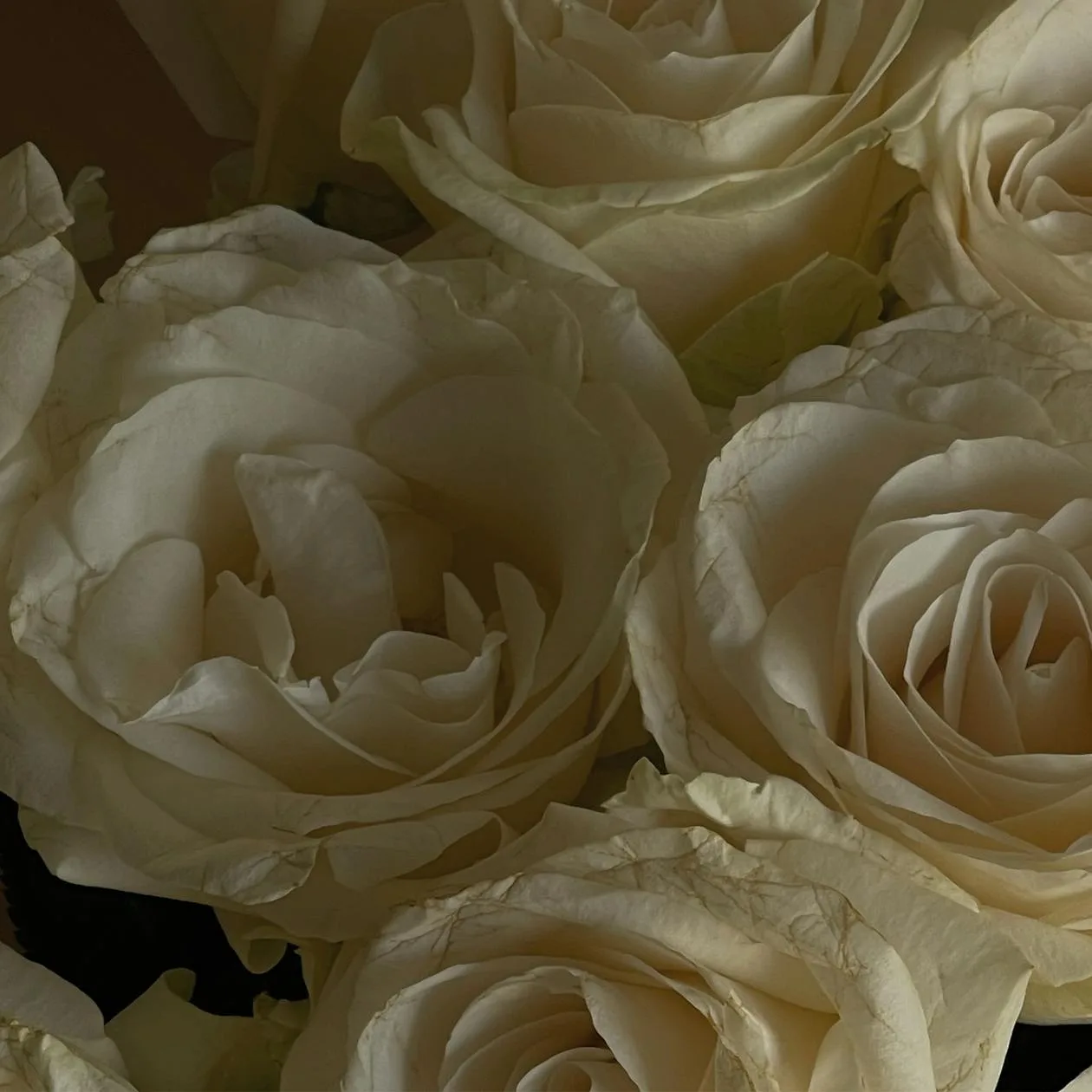
There is a cultural shorthand in Britain where flowers, particularly roses, represent the apology that a person makes to a partner after a disagreement. This shorthand is so ingrained that romantic comedies treat a bunch of flowers as a plot device for reconciliation. In real life, the dynamics are more nuanced. Flowers as an apology can be genuinely meaningful or infuriatingly hollow, depending on almost everything except the flowers themselves.
When flowers work as an apology
Flowers are effective as an apology when they accompany rather than replace a genuine acknowledgement of the issue. A bouquet delivered with a note that specifically names what went wrong, acknowledges the impact on the other person, and commits to a change is a powerful gesture. The flowers do not fix anything: the words and the intent do. The flowers make the delivery of those words more tangible, more present, and more clearly intentional.
“Flowers used as a substitute for the words I was wrong solve nothing. Flowers used alongside those words become something else entirely.”
When they do not work
Flowers sent as a shortcut, with the assumption that a sufficiently impressive bouquet will do the work of a difficult conversation, tend to land badly. The recipient reads the flowers not as an apology but as an attempt to close the subject without proper engagement. Repeated apology-flowers without genuine change are worse still: they become a pattern that signals the sender knows the flowers are expected and has deployed them accordingly.
Choosing the right flowers
If you are sending flowers as part of a genuine apology, consider the recipient's taste rather than the conventional gesture. A person who loves dahlias will be more moved by a carefully chosen dahlia bouquet than by a dozen red roses chosen because the culture expects it. Personal knowledge of the recipient's preferences signals that the gesture is specific to them, which is what apologies should always be.
Apology flowers: guidance
- Flowers should accompany a genuine acknowledgement, not replace it
- Choose flowers the recipient loves, not the most conventionally impressive option
- A handwritten note is essential: spell out specifically what you are sorry for
- Do not send flowers anonymously as an apology: it creates confusion, not clarity
- Scale the flowers to the situation: a huge bouquet for a minor issue can feel performative
- Consider timing: flowers that arrive before you have spoken may feel premature
- If the other person does not want flowers, accept that and put the effort into words instead
Apology flowers are most meaningful in the context of an ongoing relationship where flowers are already part of the language between two people. If you have never given someone flowers before, introducing them as part of an apology can feel calculated. In that case, it may be better to make the apology in person with words, and allow flowers to follow naturally once things have settled.
Continue reading
The Language of Roses: What Every Colour Means
For centuries, roses have spoken a language all their own. A single stem can say what words struggle to capture — but only if you choose the right colour.
Read more →
What to Write in a Flower Card
The flowers do most of the work. But the card still matters. Here is how to write something that is heartfelt without being awkward, for every occasion.
Read more →
The Art of Giving Flowers for No Reason
Giving flowers for no particular reason is, arguably, the most powerful flower-giving gesture of all. It requires no occasion, no justification, and no social script. That is precisely the point.
Read more →