Three Ways to Dry Flowers at Home
Drying flowers is one of the oldest and most satisfying ways to extend the life of a beautiful bloom beyond its fresh season. Three methods, three results, and one comprehensive guide.
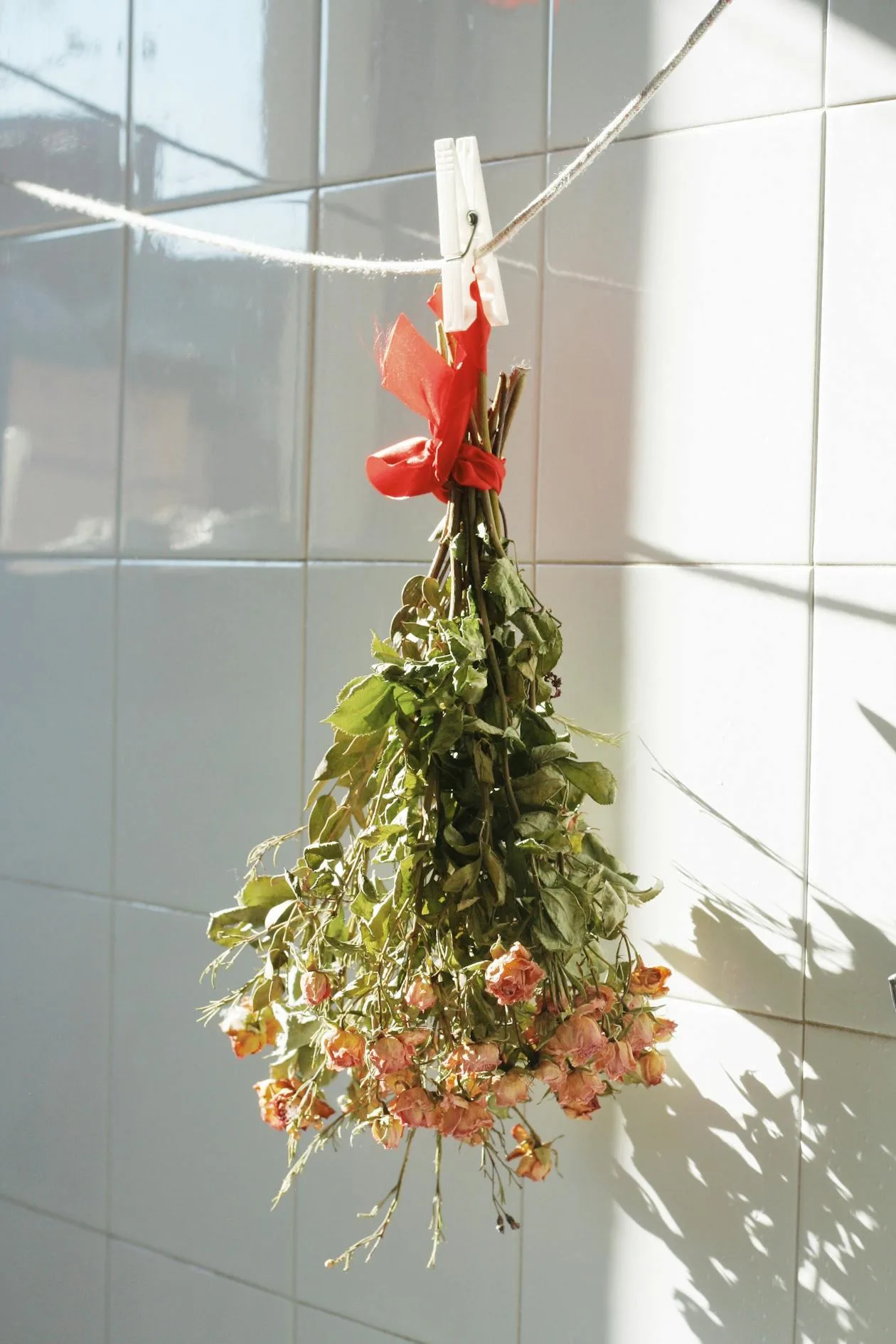
The dried flower has had a remarkable rehabilitation in British interiors over the past decade. Once associated with dusty seventies arrangements in autumnal oranges and browns, it has been reimagined by a new generation of florists and interior designers as something genuinely beautiful: pale, bleached pampas grass; everlasting flowers in dusty rose and cream; papery lunaria seed heads; preserved eucalyptus with its chalky silver-green tones. Understanding which drying method suits which flower is the first step in creating dried arrangements that are beautiful rather than merely preserved.
Method one: air drying
Air drying is the simplest and most widely applicable method. Tie small bunches of stems together and hang them upside down in a dry, warm, well-ventilated space away from direct sunlight. The upside-down position prevents the stems from drooping as they dry and encourages the petals to retain their form. Flowers suited to air drying include lavender, statice, larkspur, strawflower, nigella, globe amaranth, bunny tail grass, and pampas grass. The drying time varies from one to three weeks depending on the density of the flower and the humidity of the environment.
Method two: silica gel drying
Silica gel drying produces the most colour-accurate and form-accurate dried flowers of any method. The silica crystals, which can be purchased from craft suppliers, absorb moisture rapidly and gently, preserving the flower in close to its fresh state. Place a layer of silica gel in a sealed container, lay the flower face-up on the surface, and carefully cover with more gel until the flower is completely buried. Seal the container and leave for three to seven days. Roses, peonies, dahlias, and zinnias all dry beautifully by this method, retaining their colour and form with remarkable fidelity.
“A dried flower is not a dead flower. It is a flower that has agreed to stay.”
Method three: glycerine preservation
Glycerine preservation produces supple, long-lasting preserved foliage and flowers rather than brittle dried material. Mix one part glycerine with two parts hot water in a vase, cut stems freshly and place immediately in the solution, and leave for one to three weeks until the glycerine has been drawn up through the plant and replaced the moisture in the cells. Eucalyptus, beech leaves, and oak leaves are exceptionally well suited to this method, producing preserved foliage in warm, autumnal tones that remains flexible and beautiful for years.
Which method for which flower
- Air drying: lavender, statice, strawflower, bunny tail grass, pampas, nigella, globe amaranth
- Silica gel: roses, peonies, dahlias, zinnias, pansies — any flower where colour retention matters
- Glycerine: eucalyptus, beech, oak, and other foliage; some flowers including hydrangeas
- Press drying: suitable for flat, single-layer flowers such as violas, primroses, and anemones
- Avoid air drying for flowers with high water content: dahlias, peonies, and succulents rot rather than dry
- Silica gel can be reused: dry it in an oven at 120 degrees Celsius until the colour change indicator reactivates
Displaying dried flowers
Dried flowers have different display requirements from fresh arrangements. They do not need water, but they do need protection from humidity, which can cause them to absorb moisture from the air and soften or mould. Avoid displaying them in bathrooms, near kitchen steam, or in rooms with high humidity. They also fade in direct sunlight: display in a bright but not sun-drenched position. A loose, natural arrangement in a heavy ceramic vase or woven basket suits dried flowers better than the tight, formal arrangements typical of fresh floristry.
Continue reading
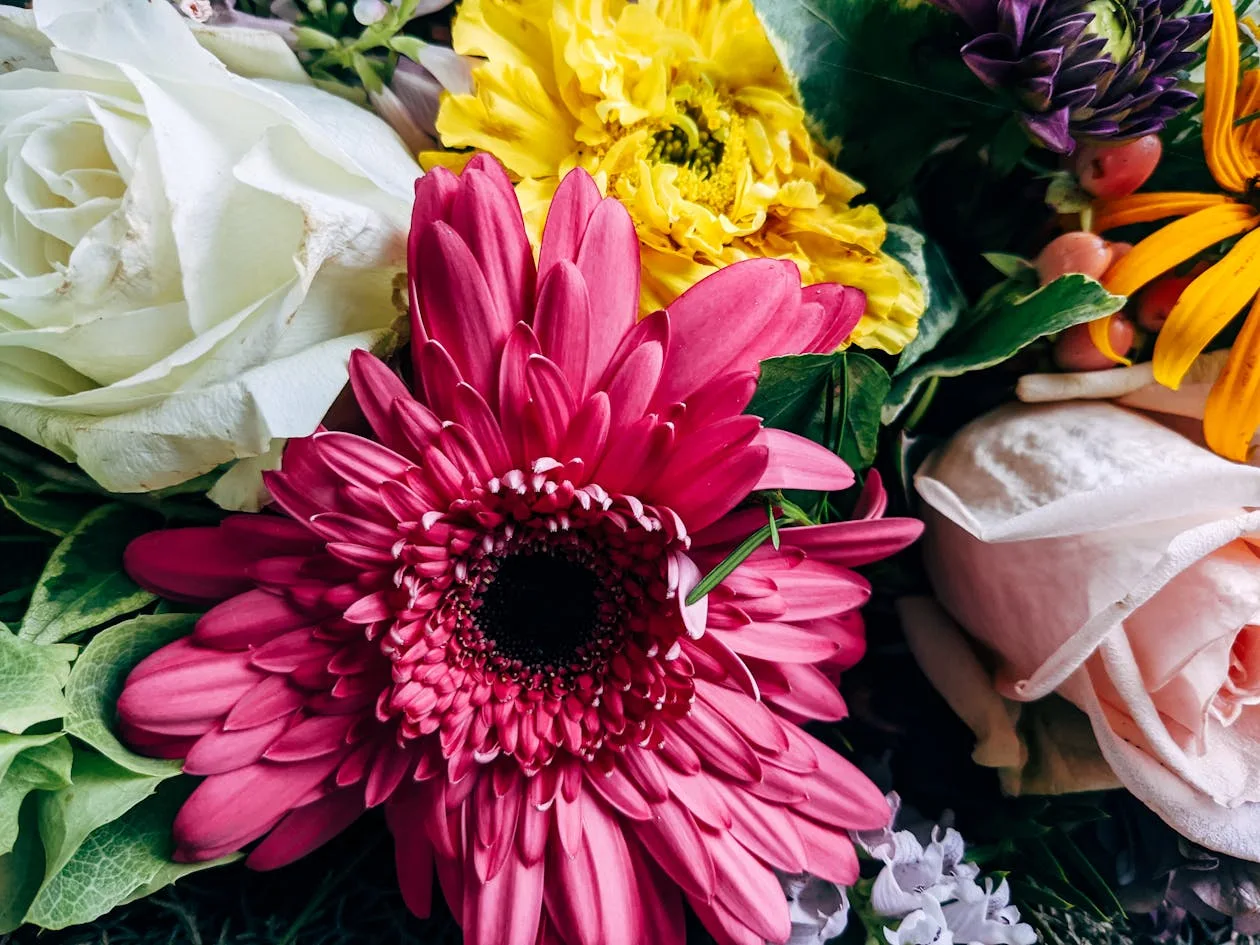
Everything You Need to Know About Dried Flowers
Dried flowers have moved far beyond dusty Victorian arrangements. Today they offer a genuinely beautiful, long-lasting alternative to fresh flowers. Here is the complete guide.
Read more →How to Press and Preserve Flowers
Pressing flowers is one of the oldest and most satisfying ways to make beauty last. Here is the complete guide to doing it well, from basic pressing to professional results.
Read more →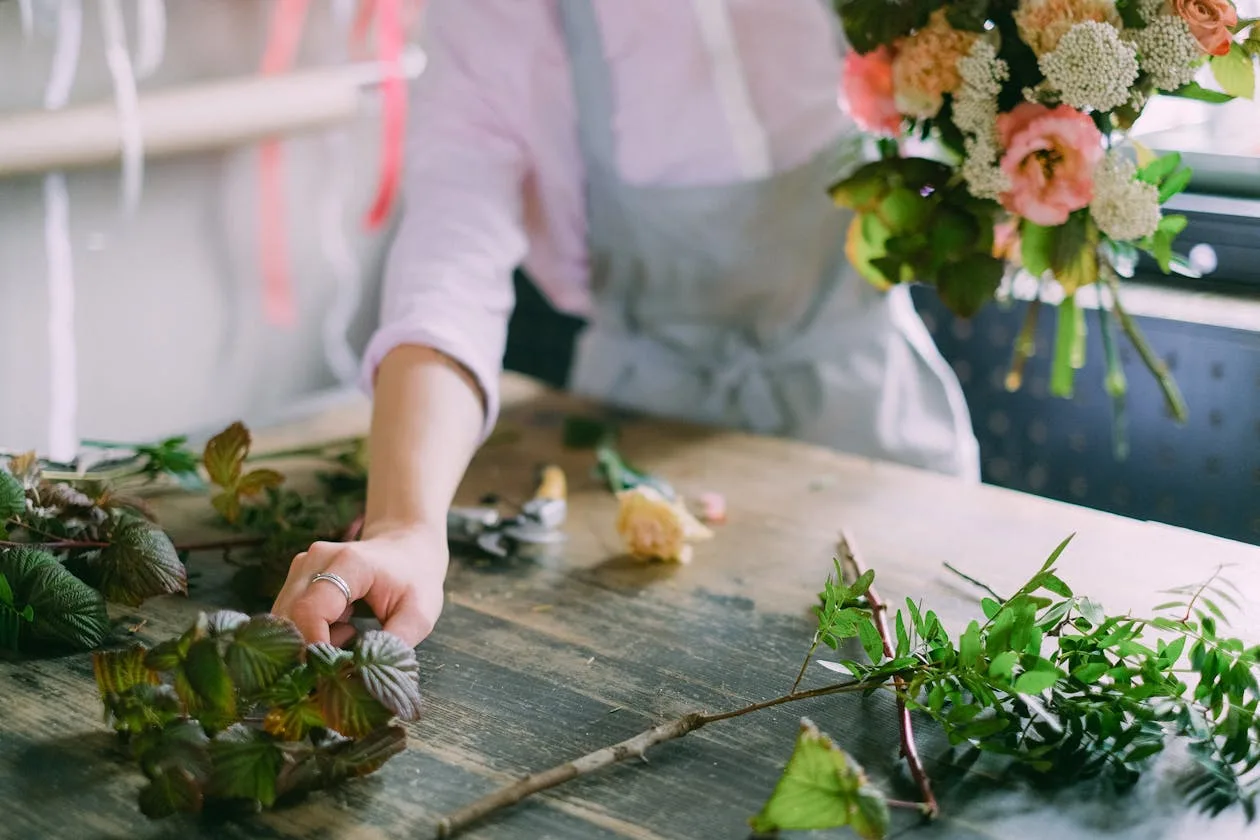
How to Arrange Flowers Like a Florist
Professional flower arranging looks effortless because the principles behind it are simple. Learn the same techniques florists use and your arrangements will immediately improve.
Read more →