Alliums: The Architectural Flower the Garden Needs
Rising on tall, straight stems to present a perfect sphere of tiny star-shaped florets, the allium is one of the most structurally dramatic flowers in the garden and the vase alike.
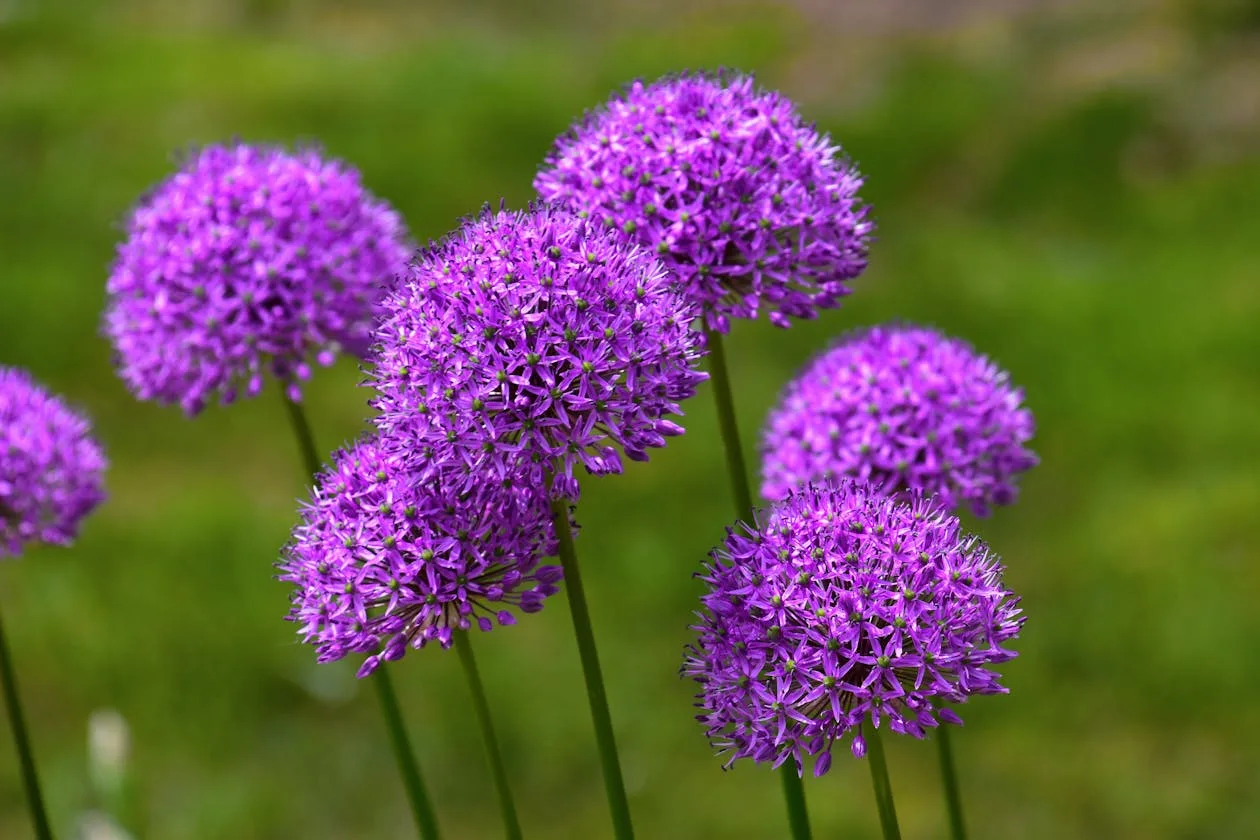
Alliums are the flowers that stop you in your tracks. They arrive in late spring when the tulips are finishing and the roses have not yet begun, filling a gap in the garden with something so structurally assured it barely seems like a plant at all. A tall Allium giganteum, its spherical head floating two metres above the border on an improbably thin stem, looks more like a sculpture than a living thing. Yet it is also deeply modest: it belongs to the same genus as the kitchen onion and garlic.
The genus and its range
Allium is a vast genus of more than 800 species, encompassing everything from the humble chive to the enormous A. schubertii, whose firework-burst of uneven stems can reach 40cm in diameter. For the garden and the cutting patch, a handful of species stand out. A. hollandicum 'Purple Sensation' is the classic: rich violet-purple heads on 90cm stems, flowering in May and June. A. christophii is shorter but wider, with silvery-mauve florets in loose, open spheres that dry brilliantly. A. 'Mount Everest' provides a pure white option for cooler palettes.
“An allium in full flower is one of the most geometrically perfect objects in nature: a perfect sphere constructed from dozens of individual stars.”
Growing alliums in the UK
Allium bulbs are planted in autumn, typically October to November, in well-drained soil in full sun. They are exceptionally tolerant of dry conditions once established and positively resent heavy, wet soils, which cause the bulbs to rot. One of the allium's most useful qualities in the garden is its late emergence: bulbs begin pushing through in early spring, but the foliage appears before the flower and — crucially — begins to yellow and die back just as the flowers are at their best, which is why they are best planted among other perennials that will disguise the declining leaves.
Alliums as cut flowers
- Cut when the sphere is just beginning to open — about half of the individual florets should be showing colour
- The onion scent disappears within hours of being placed in water
- Tall varieties may need support: use a tall, narrow vase or stake within an arrangement
- Alliums mix beautifully with roses, peonies, and ranunculus in late spring bouquets
- They dry extremely well: hang upside down or stand in a small amount of water and allow to dry gradually
- Dried allium heads hold their form for months and can be spray-painted for seasonal arrangements
The onion smell: how worried should you be?
This is the question most people ask first. Yes, alliums do smell faintly of onion when the stems are first cut — a consequence of the sulphur compounds that define the Allium genus. However, the smell dissipates within a few hours of the stems being placed in water, and a fully conditioned allium in a vase is almost entirely odourless. The only time the scent becomes noticeable again is if you crush or bruise the stem. In a room with good air circulation, the smell is negligible even at the point of cutting.
Alliums in the cutting garden
For the cutting garden, alliums are an outstanding investment. A single bulb produces one flowering stem, but once established in the ground, alliums naturalise readily and multiply over several years. A patch of fifty bulbs planted in autumn will, after three or four years, produce a hundred or more stems each spring with no additional effort. A. cristophii and A. schubertii are particularly good for the cutting garden as their dried seed heads have decorative value long after the flowers have faded.
Continue reading
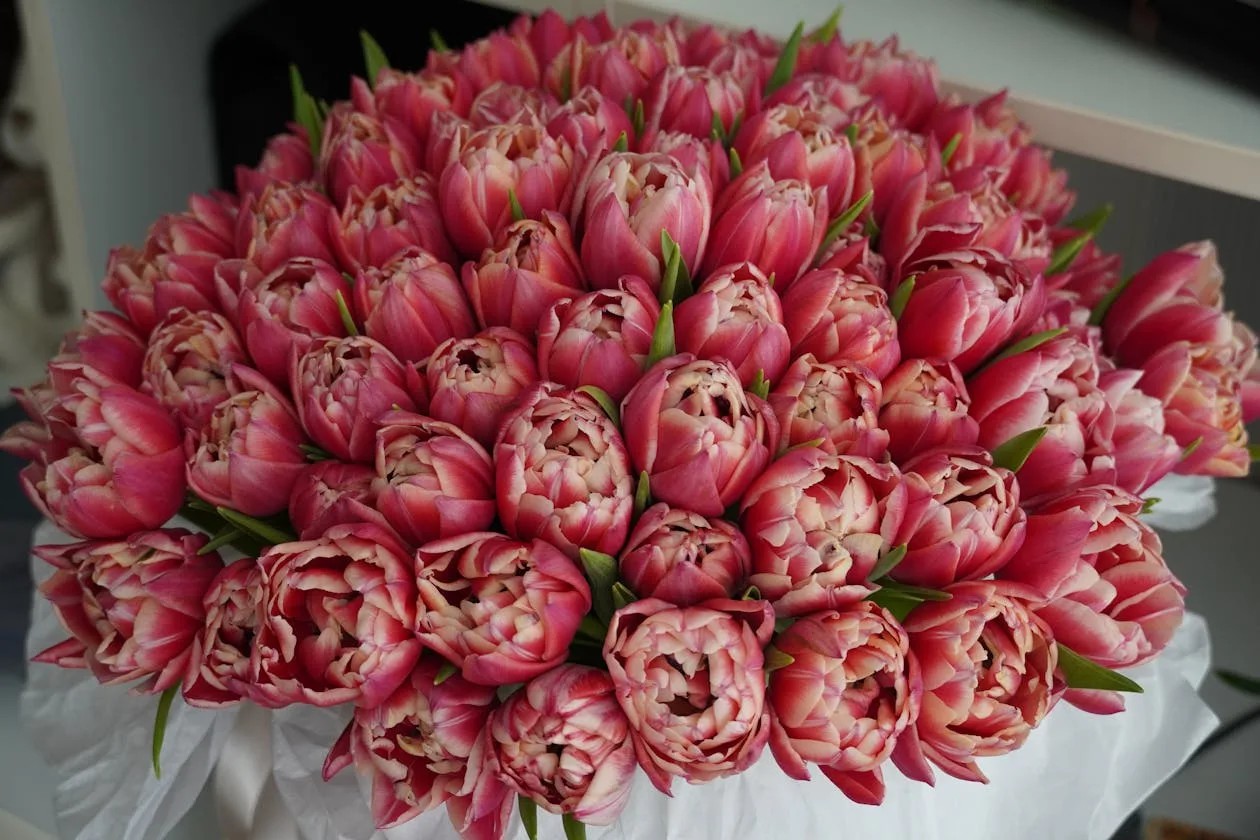
Spring Flowers: Britain's Most Beautiful Seasonal Blooms
From the first narcissi of February to the blowsy peonies of June, spring in Britain is a procession of extraordinary flowers. Here's what to look for — and when.
Read more →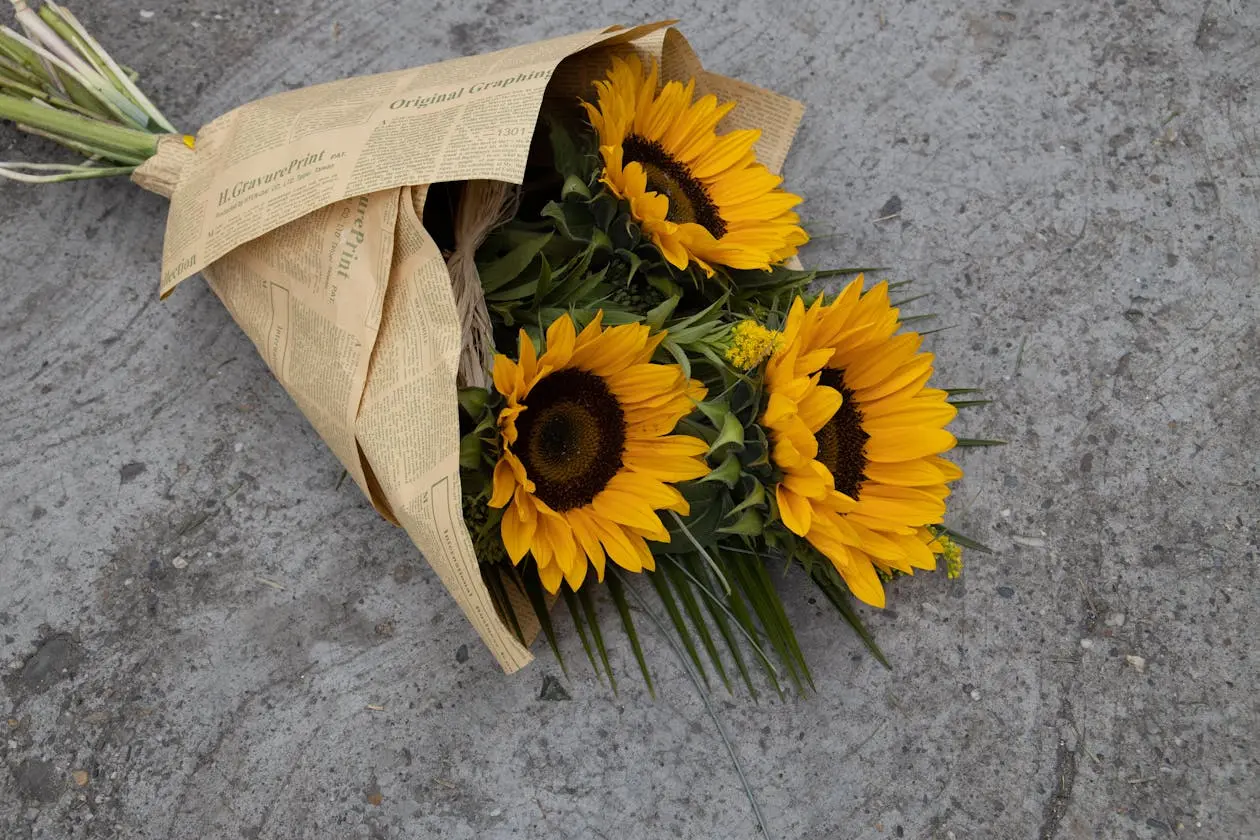
Building a Cutting Garden
A cutting garden is one of the most rewarding things you can grow. Here is how to design, plant, and maintain a patch that produces beautiful flowers from spring to autumn.
Read more →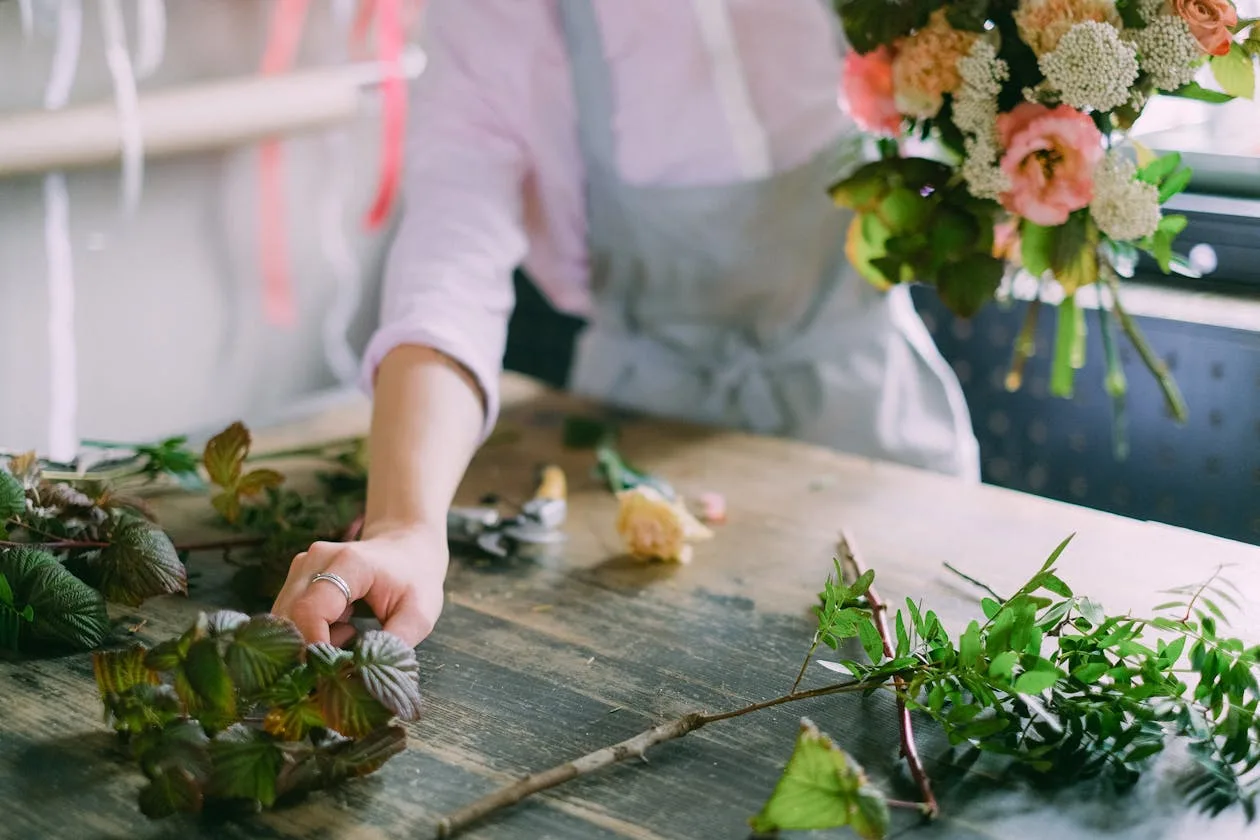
How to Arrange Flowers Like a Florist
Professional flower arranging looks effortless because the principles behind it are simple. Learn the same techniques florists use and your arrangements will immediately improve.
Read more →