What's in Bloom in Britain in March
March is the month when British flowers finally declare themselves. The narcissi of February give way to something richer, and the first tulips begin to arrive. Here is what to look for.
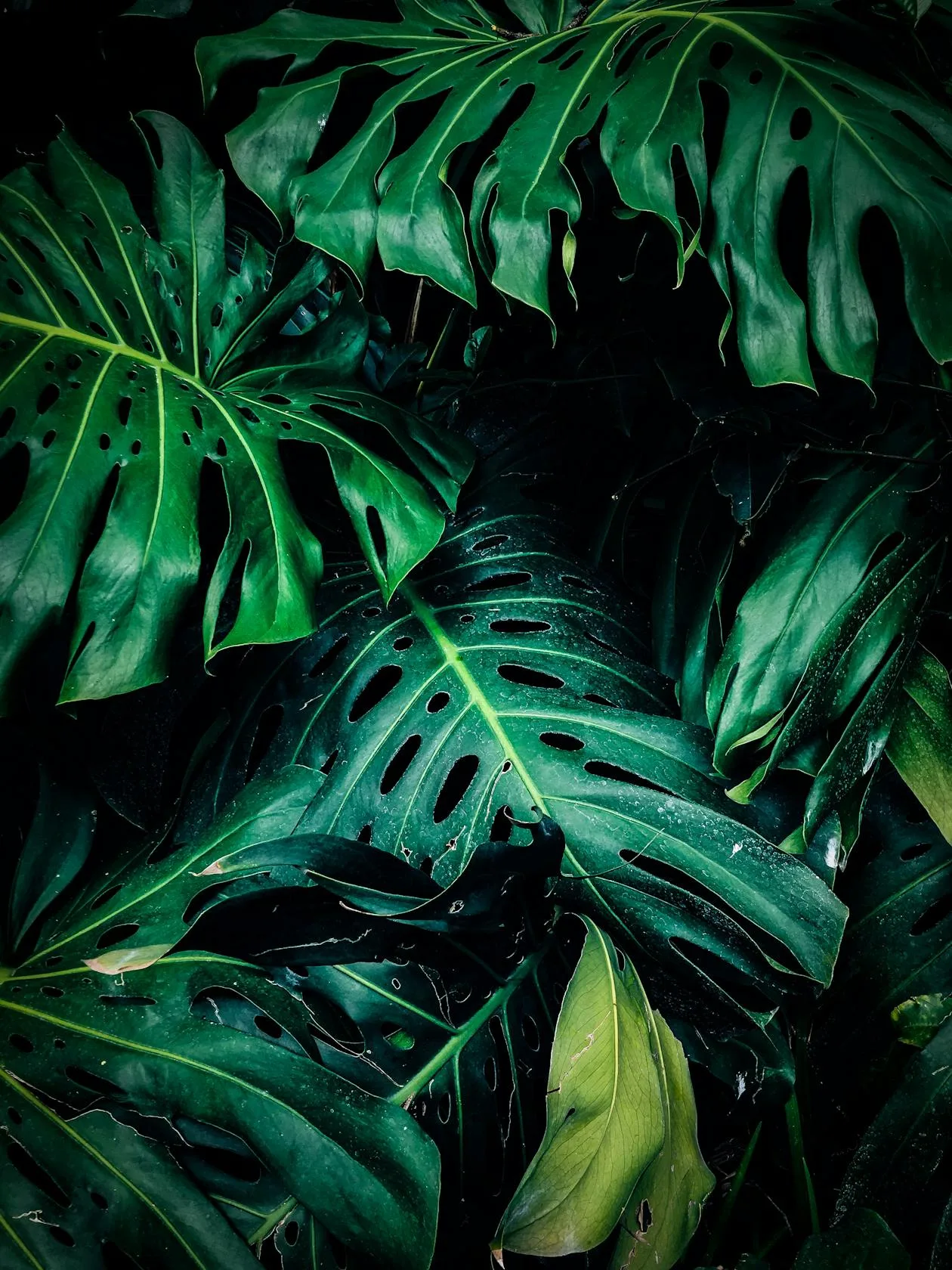
March is the hinge of the British flower calendar. The monochrome austerity of winter has not fully lifted, and yet the market stalls and florist windows tell a different story. Narcissi are still at their peak, their honey scent unmistakable on a damp morning, but they are being joined now by other arrivals: the first tulips, hyacinths at their most intensely fragrant, and increasingly the early ranunculus that begin to appear in the better florists as the month progresses. March is a flower month that rewards anyone willing to pay attention.
Narcissi: still the dominant flower
The narcissus season in Britain runs from late January through to April, but March is its heart. British-grown narcissi from Cornwall and the Scilly Isles are at their best: the stems are long and strong, the flowers at the ideal stage of development, and the fragrance most pronounced. These are some of the most sustainable flowers available in Britain — grown domestically, sold fresh, and biodegradable in every respect. A bunch of narcissi in March is a statement of seasonal intelligence.
The first ranunculus
Ranunculus begin to appear in better florists from mid-March, and their arrival is one of the most anticipated events in the British flower calendar. Densely petalled, almost impossibly layered, available in a range of colours from purest white through cream, peach, coral, red, and deep burgundy: these are the flowers that bridge the gap between spring's freshness and the extravagance of the summer season. Buy them when you see them. They are not always there.
“March flowers have a quality that later spring flowers lack: the particular beauty of arrival, of colour that has been waited for.”
Buying British in March
March is one of the best months for buying domestic flowers. Narcissi and some early tulips are genuinely available from UK growers, which means fresher flowers with a significantly lower carbon footprint than imports. Ask your local florist whether their narcissi are British-grown: many will be, and the difference in quality and fragrance compared to imported stems is immediately apparent. If you use an online florist, look for those who specify British or seasonal sourcing in their March collections.
Continue reading
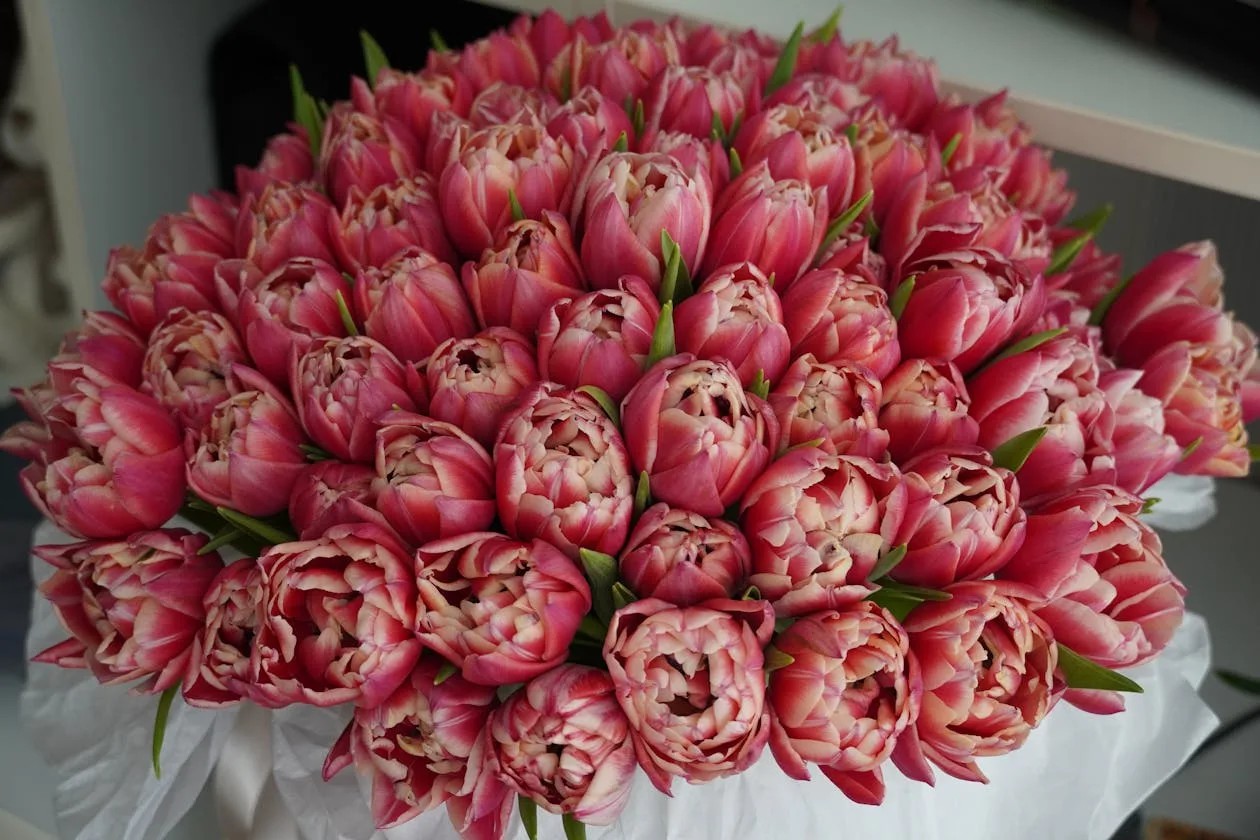
Spring Flowers: Britain's Most Beautiful Seasonal Blooms
From the first narcissi of February to the blowsy peonies of June, spring in Britain is a procession of extraordinary flowers. Here's what to look for — and when.
Read more →
Freesias: The Underrated Flower With the Most Extraordinary Fragrance
Freesias are rarely the first flower people choose, and that is a shame. No cut flower available in Britain produces a fragrance quite like theirs — light, sweet, and precisely spring.
Read more →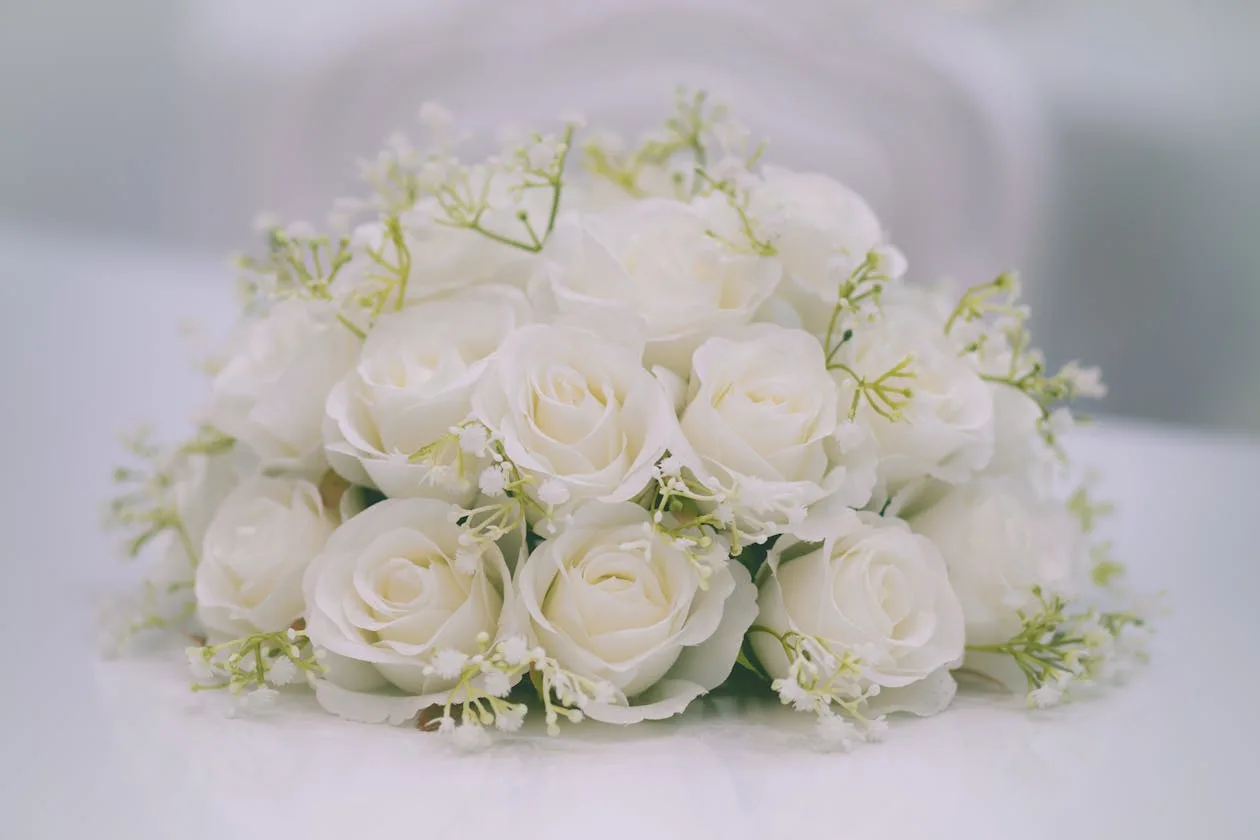
Looking Ahead to April: Britain's Spring Flower Peak
April is when British spring flowers reach their fullest expression. Tulips at their most extravagant, the first ranunculus, cherry blossom in the gardens. Here is what to expect.
Read more →