The Flowers That Define British Life
Britain has an unusually intimate relationship with certain flowers: the daffodil of spring, the sweet pea of summer, the poppy of remembrance. Here is what they say about who we are.
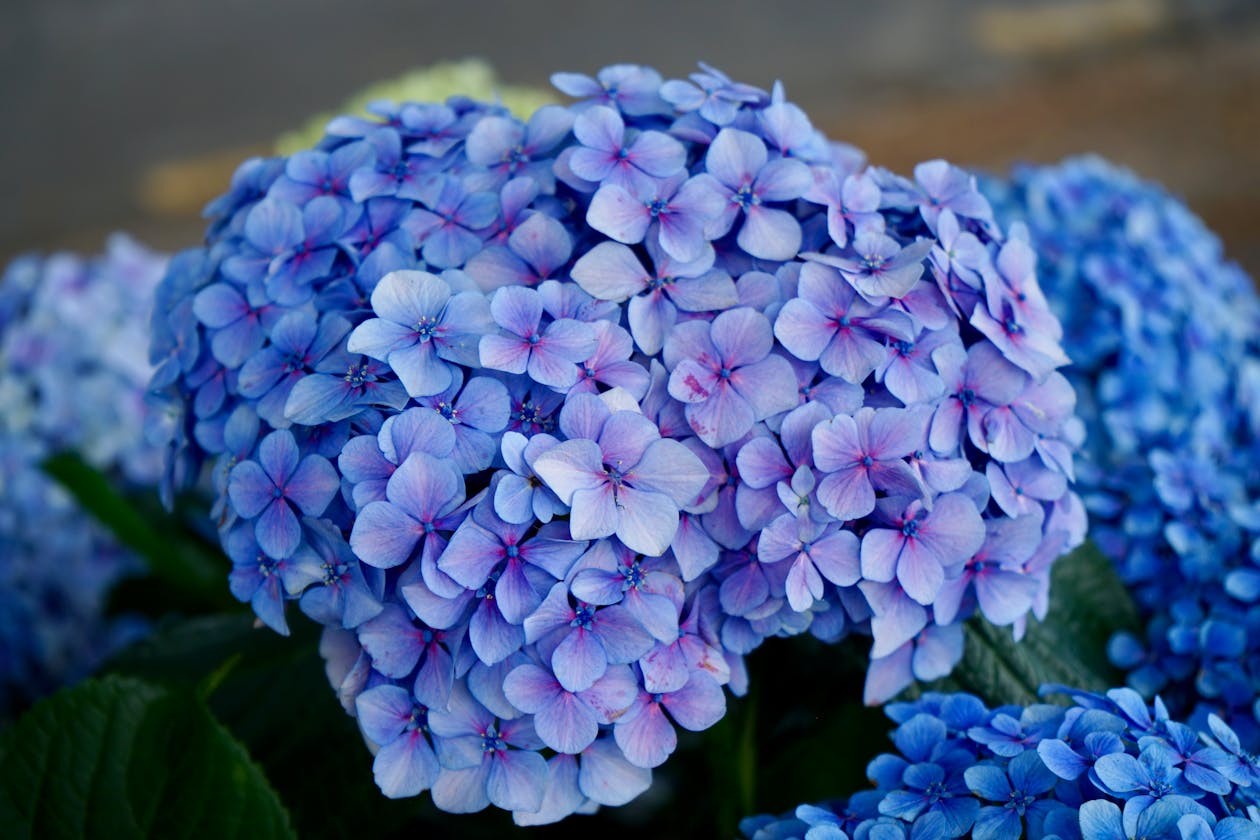
Every country has flowers it has claimed as its own, but Britain's relationship with certain blooms goes further than national symbolism. It is woven into the texture of ordinary life: the daffodils on a garage forecourt in late January that signal, however bleakly, that spring is coming. The sweet peas a neighbour presses into your hand over the fence in August. The poppies that appear on lapels every November, small and papery and carrying an enormous weight of collective meaning. These flowers are not decorative choices. They are part of how Britain navigates time, memory, and feeling.
The daffodil: national optimism
No flower is more deeply embedded in British spring consciousness than the daffodil. From the Wordsworth poem that every schoolchild learns to the bunches that appear in supermarkets from late January with a reliability that has become its own form of comfort, the daffodil is what spring looks like in Britain. In Wales it carries additional national significance as the symbol of St David's Day. Sold for less than almost any other flower and still capable of transforming a room, the daffodil is the most democratic of British flowers: available to everyone, beloved by everyone, requiring nothing more than water.
The rose: English identity
The Tudor rose, a heraldic combination of the white rose of York and the red rose of Lancaster, has been the national flower of England since the fifteenth century. The England rugby team wear a red rose. The Wars of the Roses gave a name to a conflict that defined the medieval period. In the summer, the British obsession with roses reaches its peak at events like the Chelsea Flower Show, where new rose varieties are unveiled with the seriousness of a technology launch. No flower is more thoroughly English, and no flower is more ubiquitous in the British garden.
The poppy: remembrance and loss
The poppy carries a weight in British culture that no other flower approaches. Worn every November in the weeks leading to Remembrance Sunday, the paper poppy is one of the most recognisable symbols in British life, connecting the present to the losses of two world wars and every subsequent conflict. The specific red of the Flanders poppy, and the wildflower itself that grows in disturbed soil across former battlefields, has accumulated a cultural meaning that is entirely distinct from its botanical identity. It is a flower that has become an act of public memory.
“What makes a flower British is not its origin but its adoption: the way it has been grown, given, worn, and mourned until it carries something of the national character within it.”
Sweet peas and the cutting garden
Sweet peas occupy a particular place in British domestic culture that goes beyond their beauty or their fragrance. They represent a tradition of growing flowers from seed, in gardens and allotments, specifically to cut and bring into the house. The British cutting garden, which is to say the section of a domestic garden given over to flowers grown for cutting rather than display, is a distinctly national institution. It reflects a relationship with flowers that is more intimate than purchasing them: a relationship of cultivation, anticipation, and the particular satisfaction of flowers you have grown yourself.
Continue reading
Spring Flowers: Britain's Most Beautiful Seasonal Blooms
From the first narcissi of February to the blowsy peonies of June, spring in Britain is a procession of extraordinary flowers. Here's what to look for — and when.
Read more →
The Secret Language of Flowers: Your Bouquet Decoder
Every flower has something to say. Before you send a bouquet, discover what each stem silently communicates — and how to compose a message in petals.
Read more →
Sweet Peas: Britain's Most Fragrant Summer Flower
Sweet peas are the flower that most reliably produces a response of pure pleasure. Here is everything you need to know about growing, cutting, and enjoying them.
Read more →