Flowers After a Breakup: Giving to Yourself
Buying flowers for yourself after a difficult ending is not self-pity. It is one of the most practical and evidence-based acts of self-care available, and it costs less than a round of drinks.
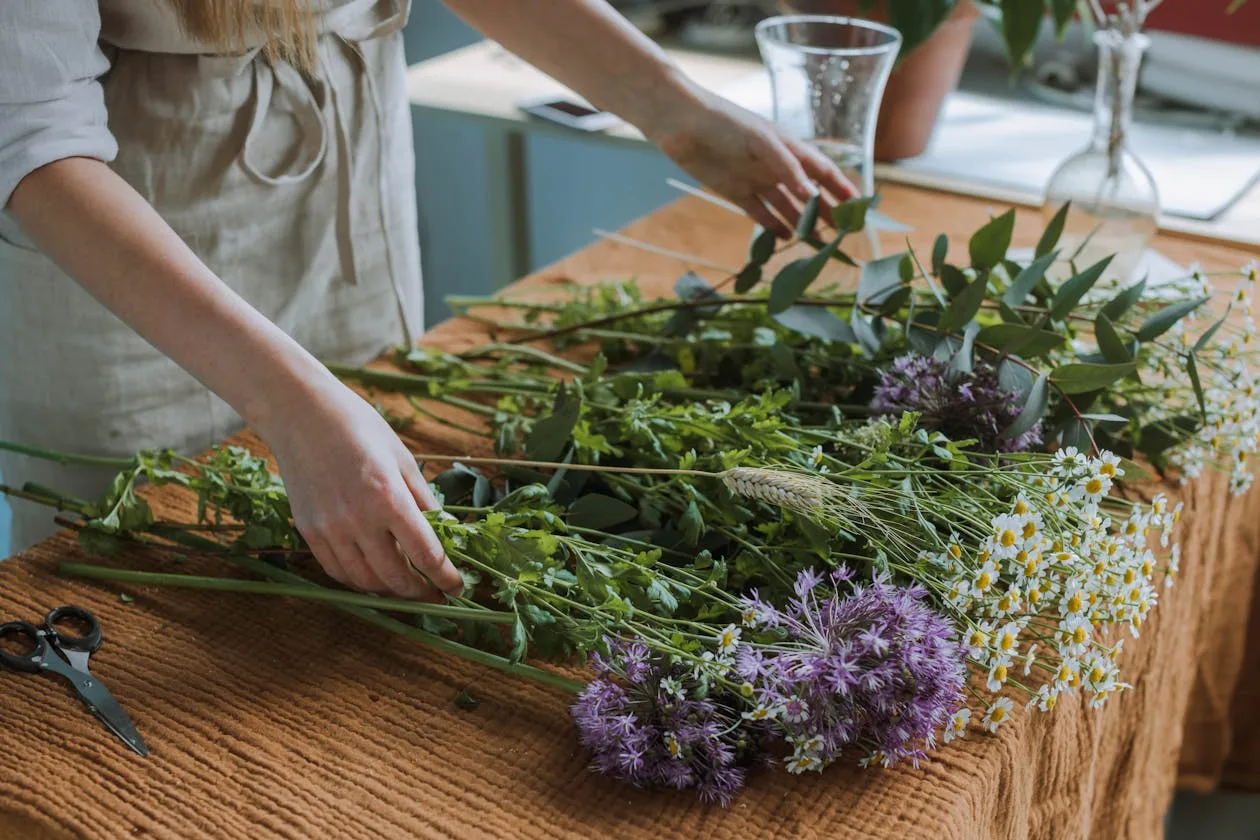
There is something that feels almost self-indulgent about buying yourself flowers after the end of a relationship. And yet the act maps directly onto what we already know about grief, self-compassion, and the role of the domestic environment in emotional recovery. Flowers in the house after a difficult ending are not sentimental decoration. They are a practical response to a situation where the ordinary beauty of daily life has been temporarily stripped away.
The case for self-gifted flowers
After a relationship ends, the home often reflects the loss: there are fewer flowers, less colour, less evidence of someone paying attention to the small domestic gestures that accumulate into a life. Buying yourself flowers is a way of stepping into that gap, of saying to the domestic space and to yourself: the care is still happening, even without another person to provide it. It is a small but meaningful act of not waiting for someone else to bring colour back into the room.
“Buying yourself flowers after a breakup is not self-pity. It is a refusal to wait for someone else to decide when you deserve beauty in your home.”
What to choose
The flowers you buy for yourself after a breakup should be genuinely your favourites, not what you might have chosen with a partner in mind. If you have always wanted a huge bunch of peonies but never bought them because they seemed extravagant, now is precisely the moment. If ranunculus in the most complicated, layered colours are what you find beautiful, buy those. The self-gifted flower is an exercise in knowing and acting on your own preferences without mediation.
Self-gifted flowers: practical thoughts
- Buy your absolute favourites: this is not the moment for compromise or practicality
- Invest in something genuinely beautiful rather than settling for a supermarket bunch
- Place them somewhere you will see them constantly: by the kettle, by the bed, on your desk
- Long-lasting varieties extend the period of care: lisianthus, chrysanthemums, orchids
- Consider making it a habit: a bunch of flowers once a week for a month makes a measurable difference to mood
- You do not need a reason to buy yourself flowers. You do not need to have gone through anything. But if you have, the reason is good enough.
Sending flowers to a friend who is going through it
If you know someone who is navigating the end of a relationship, sending them flowers is one of the most practical supportive gestures available. Unlike advice, flowers do not require the recipient to do anything with them. Unlike visits, they do not require energy. They simply arrive, fill a space with colour and life, and say: someone is thinking of you, and they wanted you to have something beautiful. A note that acknowledges the difficulty without trying to fix it is the right accompaniment.
Continue reading
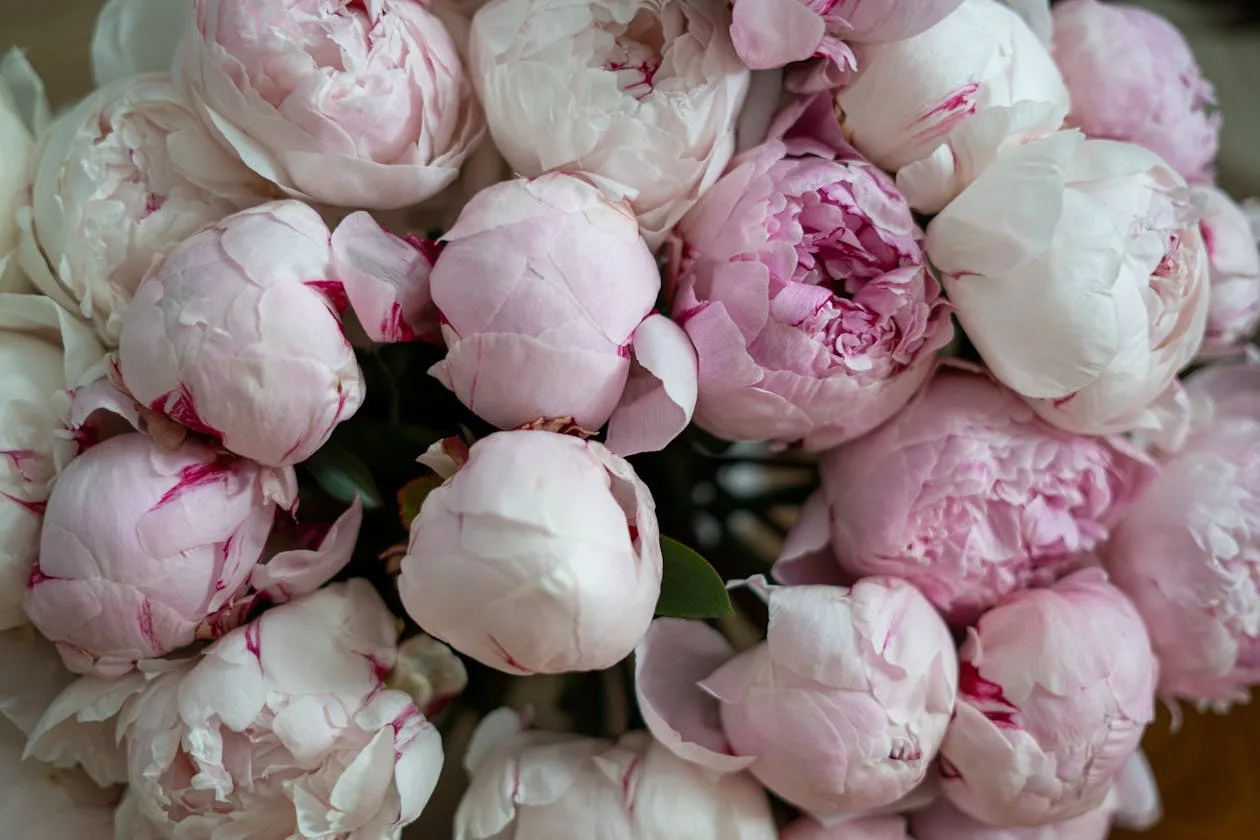
The Peony Handbook
Peonies are the most beloved flower in Britain, and for good reason. Here is everything you need to know about buying, conditioning, and enjoying them at their finest.
Read more →
Flowers for Difficult Moments
Some moments are too large for words. Flowers can carry what language cannot. Here is how to choose and send flowers when the occasion is grief, illness, or loss.
Read more →
The Art of Giving Flowers for No Reason
Giving flowers for no particular reason is, arguably, the most powerful flower-giving gesture of all. It requires no occasion, no justification, and no social script. That is precisely the point.
Read more →